
Patient Data
After the physician orders the echocardiogram, the nurse educates the parents about the procedure. For each statement below, indicate whether it shows understanding or a lack of understanding by the parents.
The echocardiogram is an invasive procedure.
I can show my child a movie or read him a book during the procedure.
The echocardiogram is a painful procedure.
The echocardiogram will produce an image of the structure of the heart.
Echocardiography uses sound waves to produce images.
The Correct Answer is {"A":{"answers":"B"},"B":{"answers":"A"},"C":{"answers":"B"},"D":{"answers":"A"},"E":{"answers":"A"}}
- Choice A: No Understanding
- Reason: An echocardiogram is a non-invasive procedure that uses ultrasound waves to create images of the heart.
- Choice B: Understanding
- Reason: Parents can indeed show their child a movie or read a book during the procedure as it helps keep the child calm and still, which is conducive for a transthoracic echocardiogram².
- Choice C: No Understanding
- Reason: An echocardiogram is generally not a painful procedure. It is non-invasive and involves placing a transducer on the chest to capture images of the heart².
- Choice D: Understanding
- Reason: The echocardiogram will indeed produce an image of the structure of the heart, which is essential for diagnosing and assessing conditions like VSD.
- Choice E: Understanding
- Reason: Echocardiography uses sound waves to produce images of the heart, which can show how well blood is moving through the heart and heart valves.
Nursing Test Bank
Naxlex Comprehensive Predictor Exams
Related Questions
Correct Answer is ["B","D","E"]
Explanation
Choice A reason: Sloughing tissue around wound edges may require debridement but does not typically require immediate intervention unless there is a significant change in the wound's condition.
Choice B reason: Loss of sensation could indicate nerve damage or developing compartment syndrome, which is a medical emergency requiring immediate intervention to prevent permanent damage.
Choice C reason: Weeping serosanguineous fluid is expected in burn wounds and does not necessarily require immediate intervention unless there is a significant increase in output or other signs of infection.
Choice D reason: Increased pain and pressure are signs of potential compartment syndrome or infection, both of which require prompt assessment and possible intervention.
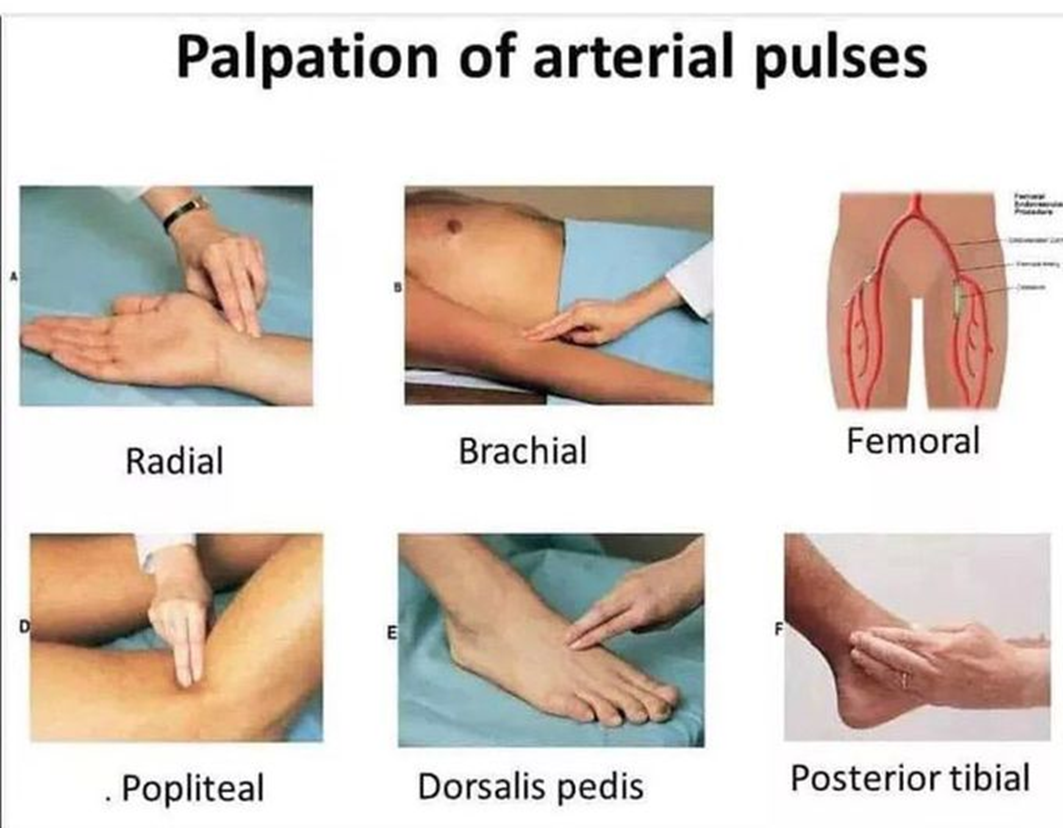
Choice E reason: A change in the quality of peripheral pulses may indicate vascular compromise, which requires immediate intervention to restore circulation and prevent tissue death.
Correct Answer is A
Explanation
Choice A reason: This is the most immediate and important action to take to prevent the potential spread of COVID-19, especially in a healthcare setting where there is a risk of infecting others.
Choice B reason: While placing the swab in a biohazard bag is a standard procedure, it is not as critical as isolating the patient to prevent transmission.
Choice C reason: Assisting the client to recall contacts is important for contact tracing, but it is secondary to immediate infection control measures within the clinic.
Choice D reason: Educating the client on preventive measures is important, but it does not take precedence over immediate actions to prevent the spread of infection in the clinic.
Whether you are a student looking to ace your exams or a practicing nurse seeking to enhance your expertise , our nursing education contents will empower you with the confidence and competence to make a difference in the lives of patients and become a respected leader in the healthcare field.
Visit Naxlex, invest in your future and unlock endless possibilities with our unparalleled nursing education contents today