
Patient Data
Review H and P, nurse's note, and laboratory results.
What other nutritional recommendation(s) would be helpful for this client in reducing risk for type 2 diabetes mellitus? Select all that apply.
Only select food items with no fat
Take a cinnamon supplement
Minimize the number of refined grains in the diet
Eliminate sugary beverages and juices from the diet
Double the usual amount of protein in the diet
Increase the amount of dietary fiber
Correct Answer : B,C,D,F
Choice A Reason: Selecting only food items with no fat is not recommended because some fats, particularly unsaturated fats, are beneficial for health and should be included in a balanced diet.
Choice B Reason: Taking a cinnamon supplement may be beneficial as some studies suggest that cinnamon can help lower blood sugar levels and improve insulin sensitivity.
Choice C Reason: Minimizing the number of refined grains in the diet is advised because refined grains can have a negative impact on blood sugar control and may increase the risk of type 2 diabetes.
Choice D Reason: Eliminating sugary beverages and juices from the diet is beneficial as these can lead to spikes in blood sugar levels and contribute to weight gain, which is a risk factor for type 2 diabetes.
Choice E Reason: Doubling the usual amount of protein in the diet is not necessary and could lead to an excessive intake of calories. Protein should be consumed in moderation and as part of a balanced diet.
Choice F Reason: Increasing the amount of dietary fiber is recommended because fiber can help manage blood sugar levels and reduce the risk of developing type 2 diabetes.
Nursing Test Bank
Naxlex Comprehensive Predictor Exams
Related Questions
Correct Answer is D
Explanation
Choice A reason: A broad-spectrum antibiotic is not indicated for Addison's disease unless there is a concurrent bacterial infection.
Choice B reason: Regular insulin is used to lower blood glucose levels, which are not elevated in this case.
Choice C reason: Potassium chloride would not be prescribed as the potassium level is already high.
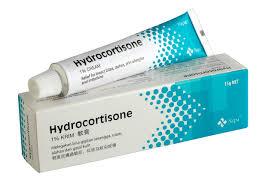
Choice D reason: Hydrocortisone is anticipated because it is a corticosteroid replacement therapy, which is essential for a patient with Addison's disease experiencing an adrenal crisis.
Correct Answer is D
Explanation
Choice A reason: While assessing breath sounds is part of a comprehensive evaluation, it is not the most critical intervention for a TIA, which primarily affects neurological function.
Choice B reason: Palpating the suprapubic region for urinary retention is important but not the priority intervention for a client with TIA, as it does not directly relate to the risk of stroke.
Choice C reason: Reviewing the client's daily medications is necessary for overall care but is not the most immediate concern upon admission for a TIA.
Choice D reason: Initiating neurological monitoring every 2 hours is essential for a client with TIA to promptly identify any changes or progression in neurological status, which could indicate a stroke. This is the most important intervention to include in the plan of care for a client admitted with TIA. Neurological monitoring allows for immediate intervention if the client's condition worsens, potentially preventing further ischemic damage.
Whether you are a student looking to ace your exams or a practicing nurse seeking to enhance your expertise , our nursing education contents will empower you with the confidence and competence to make a difference in the lives of patients and become a respected leader in the healthcare field.
Visit Naxlex, invest in your future and unlock endless possibilities with our unparalleled nursing education contents today