
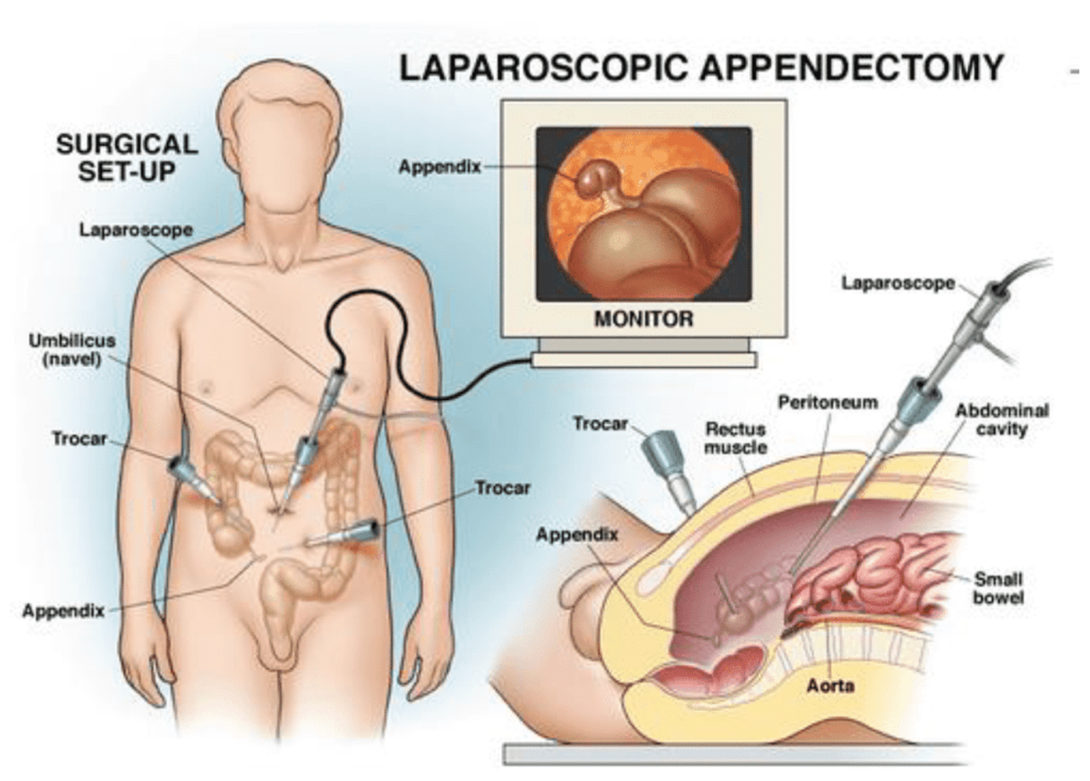
The term "appendectomy" means:
Removal of the appendix.
Removal of the colon.
Cutting into the appendix.
Repair of the appendix.
The Correct Answer is A
Choice A reason: An appendectomy is a surgical procedure to remove the appendix, typically due to appendicitis.
Choice B reason: Removal of the colon is known as a colectomy, not an appendectomy.
Choice C reason: Cutting into the appendix may be part of the procedure, but appendectomy specifically refers to the removal of the appendix.
Choice D reason: Repair of the appendix is not a common procedure; appendectomies are performed to remove the appendix, not repair it.
Nursing Test Bank
Naxlex Comprehensive Predictor Exams
Related Questions
Correct Answer is D
Explanation
Choice A reason: Fecal impaction typically presents with the inability to pass stool and may not be associated with the absence of bowel sounds.
Choice B reason: Incisional infection is usually indicated by localized redness, warmth, and possible discharge, not necessarily by the absence of bowel sounds or flatus.
Choice C reason: Health care-associated Clostridium difficile often presents with diarrhea, not the absence of bowel sounds or flatus.
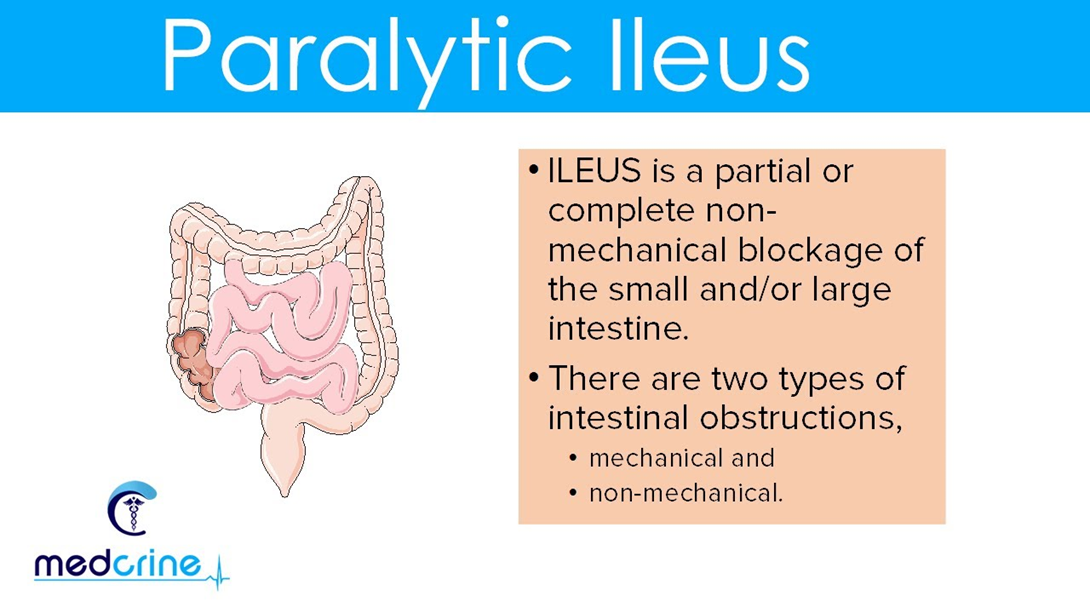
Choice D reason: Paralytic ileus is characterized by impaired intestinal motility and transit, absence of the passage of flatus, diminished bowel sounds, abdominal distension, and intestinal dilatation, fitting the symptoms described.
Correct Answer is D
Explanation
Choice A reason: While bulimia can contribute to gastrointestinal issues, it is not as directly linked to peptic ulcers as the use of nonsteroidal anti-inflammatory drugs (NSAIDs).
Choice B reason: Drinking green tea is not typically associated with an increased risk of peptic ulcers.
Choice C reason: Consuming spicy foods is a commonly believed risk factor, but it is not supported by strong evidence as a direct cause of peptic ulcers.
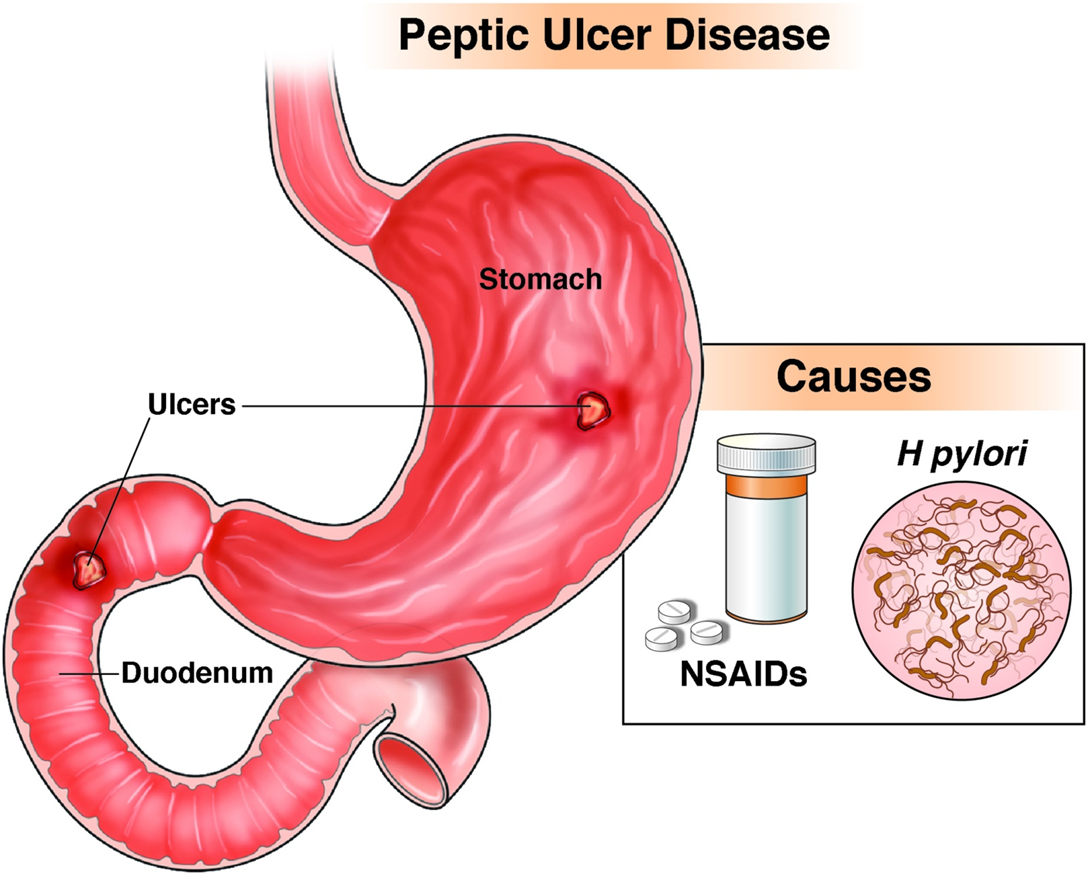
Choice D reason: The use of NSAIDs, such as ibuprofen, is a well-established risk factor for the development of peptic ulcers due to their effect on the stomach lining.
Whether you are a student looking to ace your exams or a practicing nurse seeking to enhance your expertise , our nursing education contents will empower you with the confidence and competence to make a difference in the lives of patients and become a respected leader in the healthcare field.
Visit Naxlex, invest in your future and unlock endless possibilities with our unparalleled nursing education contents today