
An older client with osteoarthritis reports increasing pain and stiffness in the right knee and asks how to reduce these symptoms. In responding to the client, the nurse recognizes what pathology as the cause of the symptoms?
Destruction of joint cartilage.
Systemic inflammatory response.
Loss of bone mineral density.
Infectious process in the synovial fluid.
The Correct Answer is A
Rationale
A. Osteoarthritis is characterized by the gradual destruction of joint cartilage. Cartilage serves as a cushion between the bones in a joint, and its deterioration leads to pain, stiffness, and reduced joint function. As the cartilage wears away, bones may rub directly against each other, causing further pain and damage.
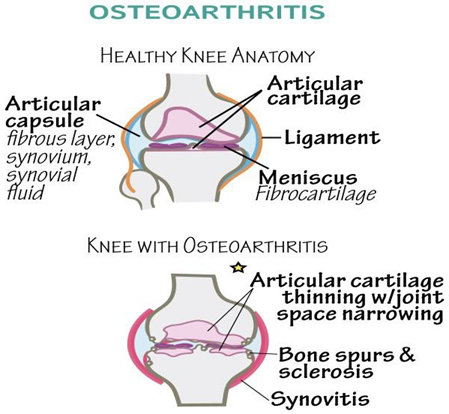
B. Osteoarthritis is primarily a degenerative condition rather than an inflammatory one. While mild inflammation can occur in OA, it is not as prominent as in autoimmune conditions like rheumatoid arthritis. In OA, inflammation is secondary to cartilage damage rather than a primary driver of the disease process.
C. Loss of bone mineral density is more characteristic of osteoporosis, a condition where bones become weak and brittle. Osteoporosis involves a decrease in bone mass throughout the skeleton, whereas osteoarthritis specifically targets the joints and affects cartilage rather than bone density.
D. An infectious process in the synovial fluid could indicate septic arthritis, which is characterized by infection in the joint space. This is typically associated with acute symptoms such as severe joint pain, swelling, warmth, and fever.
Nursing Test Bank
Naxlex Comprehensive Predictor Exams
Related Questions
Correct Answer is B
Explanation
Rationale
A. Evacuation centers often accommodate a large number of people in close proximity. This can lead to increased transmission of infectious agents, including those causing diarrheal illnesses, through person- to-person contact or contaminated surfaces.
B. Hurricanes can cause flooding, which may overwhelm sewage systems and lead to contamination of drinking water sources. Consuming water contaminated by sewage can introduce pathogens that cause diarrheal diseases, such as bacteria like Escherichia coli or viruses like norovirus.
C. Flood waters can contaminate food supplies in various ways, such as direct contact with contaminated water, improper storage, or inadequate cooking or refrigeration. Consuming
contaminated food can result in diarrheal illnesses due to ingestion of pathogens like bacteria or parasites.
D. Nosocomial infections refer to infections acquired in healthcare settings. In a disaster medical area, improper infection control practices or overcrowding can contribute to nosocomial transmission of infectious agents, including those causing diarrheal diseases. However, this option is less likely in the context of a client seeking treatment for diarrhea immediately upon arrival at the disaster medical area.
Correct Answer is A
Explanation
Rationale
A. Children with eczema often scratch their itchy skin, which can lead to skin breakdown, bleeding, and secondary infections. Short nails minimize the trauma inflicted on the skin during scratching and help prevent complications.
B. Bathing helps to hydrate the skin and remove allergens, bacteria, and other irritants that can exacerbate eczema. Bathing daily with bath oil helps to moisturize the skin and prevent dryness. Bath oils or emollients should be used instead of harsh soaps, which can strip the skin of natural oils and worsen dryness. However, it's essential to ensure the water is not too hot and to limit bath time to avoid drying out the skin.
C. Moisturizing the skin is a cornerstone of eczema management. Applying a moisturizer, such as baby lotion or emollient cream, helps to hydrate the skin, reduce dryness, and protect the skin barrier. Moisturizers should ideally be applied at least twice daily, especially after bathing or showering when the skin is damp to lock in moisture. Choosing a moisturizer that is fragrance-free and hypoallergenic is beneficial to avoid further irritation.
D. Cotton clothing is recommended for children with eczema because it is breathable and less likely to irritate sensitive skin compared to synthetic fabrics. Cotton allows better air circulation around the skin, which can help prevent overheating and sweating, both of which can exacerbate eczema symptoms. Avoiding wool and synthetic fabrics that can cause friction and irritation is important.
Whether you are a student looking to ace your exams or a practicing nurse seeking to enhance your expertise , our nursing education contents will empower you with the confidence and competence to make a difference in the lives of patients and become a respected leader in the healthcare field.
Visit Naxlex, invest in your future and unlock endless possibilities with our unparalleled nursing education contents today