
An older adult client returned to the nursing home after a lower limb amputation. The client is scheduled for a prosthesis fitting and states, “I am too old to learn how to manage this.” Which of the following responses from the nurse is appropriate?
I will call your provider so we can discuss it.
What are you thinking that you would like to do?
You have the right to refuse if you don’t think you can do this.
Many clients your age are able to adjust surprisingly well to a prosthesis.
The Correct Answer is D
Choice A Reason: I will call your provider so we can discuss it
While this response shows the nurse’s willingness to involve the healthcare provider, it does not directly address the client’s concern about their ability to manage the prosthesis. It is important to provide immediate reassurance and encouragement to the client, which this response lacks.
Choice B Reason: What are you thinking that you would like to do?
This response is open-ended and encourages the client to express their feelings and thoughts. While it is a good approach to understand the client’s perspective, it does not provide the immediate reassurance and encouragement that the client needs to feel confident about managing the prosthesis.
Choice C Reason: You have the right to refuse if you don’t think you can do this
This response acknowledges the client’s autonomy but may inadvertently reinforce their doubts and fears about managing the prosthesis. It is important to encourage and support the client rather than focusing on their right to refuse.
Choice D Reason: Many clients your age are able to adjust surprisingly well to a prosthesis
This response is the most appropriate as it provides reassurance and encouragement to the client. By sharing that many clients of a similar age have successfully adjusted to a prosthesis, the nurse helps to build the client’s confidence and reduce their anxiety about managing the new situation. This positive reinforcement can be very motivating for the client.
Nursing Test Bank
Naxlex Comprehensive Predictor Exams
Related Questions
Correct Answer is D
Explanation
Choice A Reason: Try to defecate at different times of the day
This statement is not advisable for clients with constipation. Regularity is key in managing constipation. Encouraging the client to try to defecate at the same time each day can help establish a routine and improve bowel regularity. The body’s natural circadian rhythms can aid in this process, making it easier to have a bowel movement at a consistent time.
Choice B Reason: Consume a low-fiber diet
A low-fiber diet is not recommended for clients with constipation. Fiber adds bulk to the stool and helps it pass more easily through the intestines. Foods high in fiber include fruits, vegetables, whole grains, and legumes. Increasing dietary fiber intake is a common and effective strategy for managing constipation. The recommended daily intake of fiber is 25 grams for women and 38 grams for men.
Choice C Reason: Reduce your daily activity
Reducing daily activity is not beneficial for managing constipation. Physical activity helps stimulate intestinal function and can promote regular bowel movements. Encouraging clients to engage in regular exercise, such as walking, swimming, or yoga, can help alleviate constipation. The American Heart Association recommends at least 150 minutes of moderate-intensity aerobic activity per week.
Choice D Reason: Increase your daily fluid intake
Increasing daily fluid intake is a key recommendation for managing constipation. Fluids help soften the stool, making it easier to pass. Water is the best choice, but other fluids like herbal teas and clear soups can also be beneficial. It is generally recommended to drink at least 8 cups (64 ounces) of water per day, though individual needs may vary based on factors such as age, sex, and activity level.

Correct Answer is D
Explanation
Choice A Reason: Autoimmune disorder affecting the bones
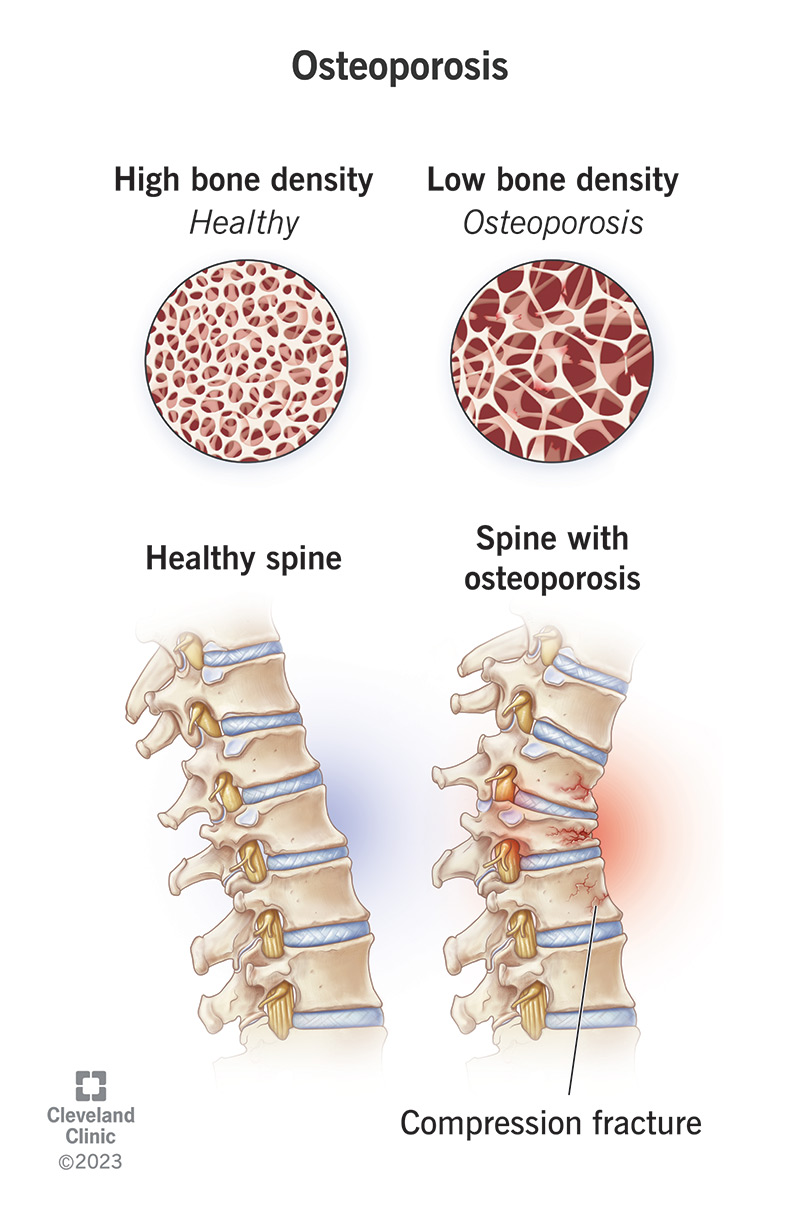
Osteoporosis is not an autoimmune disorder. Autoimmune disorders involve the immune system attacking the body’s own tissues, which is not the case with osteoporosis. Osteoporosis is primarily characterized by a decrease in bone density and mass, leading to fragile bones.
Choice B Reason: Buildup of inflammation in the joints
While inflammation can affect bone health, osteoporosis is not primarily caused by inflammation in the joints. Conditions like rheumatoid arthritis involve joint inflammation, but osteoporosis involves the loss of bone density and strength, not joint inflammation.
Choice C Reason: Increase in calcium levels in the blood
An increase in calcium levels in the blood is not a characteristic of osteoporosis. In fact, osteoporosis often involves a decrease in bone calcium content, leading to weaker bones. Hypercalcemia, or high calcium levels in the blood, is associated with other conditions such as hyperparathyroidism.
Choice D Reason: Bone loss in the cortical and cancellous bones
This is the correct description of the pathophysiology of osteoporosis. Osteoporosis involves the loss of bone density in both the cortical (hard outer layer) and cancellous (spongy inner layer) bones. This loss leads to bones becoming brittle and more susceptible to fractures.
Whether you are a student looking to ace your exams or a practicing nurse seeking to enhance your expertise , our nursing education contents will empower you with the confidence and competence to make a difference in the lives of patients and become a respected leader in the healthcare field.
Visit Naxlex, invest in your future and unlock endless possibilities with our unparalleled nursing education contents today