
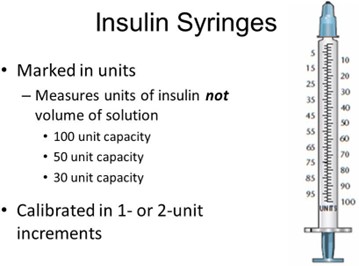
An insulin syringe is measured in which of the following?
mg
ml
Units
The Correct Answer is C
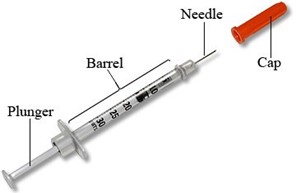
An insulin syringe is measured in units (U). The concentration of insulin is usually expressed in units per milliliter (U/mL), and the volume of the syringe is also measured in milliliters (mL), but the actual dosing of insulin is in units. It is important to use the correct syringe size and to measure the correct number of units to ensure accurate dosing of insulin.
Nursing Test Bank
Naxlex Comprehensive Predictor Exams
Related Questions
Correct Answer is D
Explanation
A decrease in the level of consciousness is a serious sign and could be an indication of worsening conditions. It is essential for the nurse to ensure that the patient's airway is open and clear, as a compromised airway can lead to hypoxia and a further decrease in consciousness. Therefore, maintaining a patent airway should be the nurse's priority action in this situation.
While monitoring blood pressure and restricting oral intake may be important interventions in certain situations, they are not the priority actions in this scenario. Administering SQ insulin may not be necessary for a patient with hypothyroidism and acute appendicitis.


Correct Answer is ["A","B","C","D"]
Explanation
Use of a portable blood glucose monitor: The patient should be taught how to use a portable blood glucose monitor to check their blood glucose levels at home. This will help the patient monitor their blood glucose levels and adjust their insulin dose as necessary.
Hypoglycemia prevention, symptoms, and treatment: The patient should be taught about the signs and symptoms of hypoglycemia (low blood glucose levels) and how to treat it. This includes teaching the patient to consume 15-20 grams of fast-acting carbohydrates such as glucose tablets or juice when experiencing hypoglycemia.
Insulin administration: The patient should be taught how to administer insulin, including the timing of injections and rotating injection sites. The patient should also be educated about the importance of taking insulin regularly and the potential consequences of missed doses.
Diet: The patient should be educated about healthy eating habits that include monitoring carbohydrate intake, eating regular meals, and spacing carbohydrates throughout the day. The patient does not need to eliminate sugar entirely from their diet, but rather to consume it in moderation and balance it with other food groups.
Physical activity: The patient should be encouraged to engage in regular physical activity but may need to adjust their insulin dose or carbohydrate intake to accommodate for the changes in blood glucose levels that may result from physical activity. Reducing physical activity is not necessary, but rather adjusting to it properly with proper monitoring of glucose levels.
Whether you are a student looking to ace your exams or a practicing nurse seeking to enhance your expertise , our nursing education contents will empower you with the confidence and competence to make a difference in the lives of patients and become a respected leader in the healthcare field.
Visit Naxlex, invest in your future and unlock endless possibilities with our unparalleled nursing education contents today