
After positioning the patient on the surgical table and applying the safety strap, the surgical team pauses and verifies the patient and surgical information. What is this called?
Surgical pause
Time out
Preoperative checklist
Time in
The Correct Answer is B
Choice A reason: A surgical pause is not a commonly used term for this process.
Choice B reason: A time out is a standardized procedure used to verify the correct patient, procedure, and site before surgery begins.
Choice C reason: The preoperative checklist is a broader list of tasks completed before surgery, not the specific pause for verification.
Choice D reason: Time in is not a recognized term for this verification process in the surgical setting.
Nursing Test Bank
Naxlex Comprehensive Predictor Exams
Related Questions
Correct Answer is A
Explanation
Choice A reason: Patients with Personality Disorders often struggle with maladaptive behaviors. A general goal is to help them find nondestructive ways to fulfill their needs, promoting healthier interactions and coping mechanisms.
Choice B reason: While establishing relationships is important, the priority is to ensure that the patient's methods of interacting are healthy and nondestructive.
Choice C reason: Understanding the impact of one's behavior on others is a goal, but it is secondary to the patient learning nondestructive self-management skills.
Choice D reason: Employment is a long-term goal and, while important, it is not as immediately relevant to the therapeutic process as developing nondestructive behaviors.
Correct Answer is C
Explanation
Choice A reason: Debridement is not related to dosing, which typically refers to medication administration.
Choice B reason: While debridement may involve cleaning dirty wounds, this choice does not fully capture the definition of debridement.
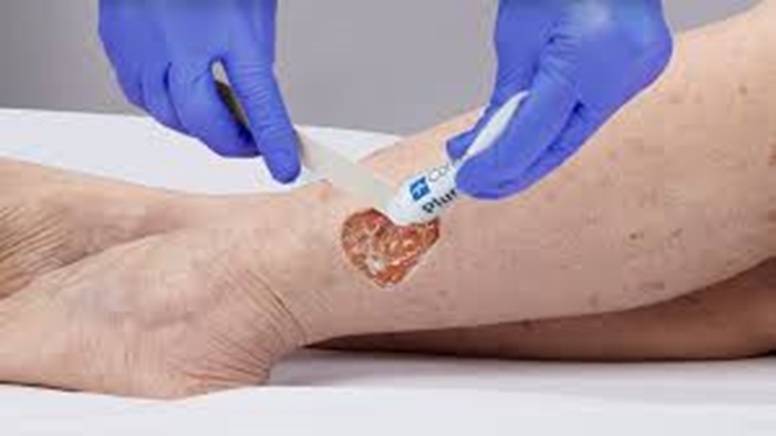
Choice C reason: Debridement is the medical process of removing dead, damaged, or infected tissue to improve the healing potential of the remaining healthy tissue.
Choice D reason: Infected wounds may require debridement, but this choice does not define what debridement is.
Whether you are a student looking to ace your exams or a practicing nurse seeking to enhance your expertise , our nursing education contents will empower you with the confidence and competence to make a difference in the lives of patients and become a respected leader in the healthcare field.
Visit Naxlex, invest in your future and unlock endless possibilities with our unparalleled nursing education contents today