
A patient with type 1 DM expresses concern about developing retinopathy due to a chronic disease. How should the nurse reply?
Newer laser surgery can improve sight after retinal hemorrhage.
The high incidence of cataracts can be surgically corrected.
Good control of blood glucose and blood pressure can reduce the risk.
Diabetes is low as a cause for blindness in the United States.
The Correct Answer is C
C. Good control of blood glucose levels and blood pressure is essential in reducing the risk of diabetic retinopathy and its progression. Research has shown that maintaining tight glycemic control and managing hypertension can significantly decrease the likelihood and severity of retinopathy in patients with diabetes.
A. Laser surgery is a treatment option for certain complications of diabetic retinopathy, such as retinal hemorrhage or retinal detachment. However, it's essential to emphasize that prevention through good glycemic control and regular eye exams is key to reducing the risk of these complications, rather than relying solely on surgical interventions after they occur.
B. Cataracts are more common in individuals with diabetes and can be surgically corrected but this statement does not directly address the concern about retinopathy. Cataracts and retinopathy are separate ocular complications of diabetes, each requiring different management strategies.
D. Diabetes remains one of the leading causes of blindness in the United States, primarily due to its association with diabetic retinopathy. While advancements in diabetes management and eye care have helped reduce the incidence of blindness, it is still a significant concern for individuals with diabetes.
Nursing Test Bank
Naxlex Comprehensive Predictor Exams
Related Questions
Correct Answer is B
Explanation
B. A decrease in the respiratory rate from 32 breaths/minute to 20 breaths/minute indicates improved respiratory status and effectiveness of nursing care. A lower respiratory rate suggests that the patient's breathing is becoming less labored, and oxygenation may be improving.
A. A lower heart rate may suggest a reduction in pain, improved oxygenation, or decreased stress on the cardiovascular system. However, other factors such as medications, rest, and hydration can also influence heart rate. Overall, a decrease in heart rate is a favorable finding.
C. A slight decrease in blood pressure from 140/80 mm Hg to 130/78 mm Hg may indicate a positive response to nursing care. However, blood pressure fluctuations can be influenced by various factors, including hydration status, medications, and underlying medical conditions.
D. Pain management is an essential aspect of nursing care, particularly for patients with lower respiratory infections who may experience discomfort due to coughing, chest congestion, and inflammation. However, pain levels can fluctuate over time and may require ongoing assessment and intervention.
Correct Answer is A
Explanation
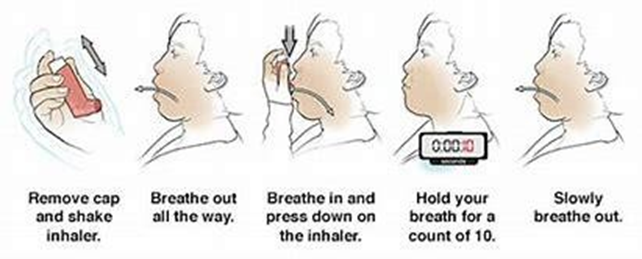
A. Holding the breath for at least 10 seconds after inhaling the medication allows the medication to settle in the lungs and increases its effectiveness. This ensures maximum delivery of the drug to the respiratory tract.
B. The recommended time to wait between inhalations is typically around 1 to 2 minutes, not 10 minutes. Waiting too long between puffs may reduce the effectiveness of the medication and is not necessary.
C. There is no specific recommendation that the inhaler must be held with the non-dominant hand. The inhaler should be held in the hand that feels most comfortable and provides the best control, which is usually the dominant hand for most people.
D. The correct technique involves tilting the head slightly back to open the airway, making it easier for the medication to reach the lungs. Tilting the head forward could restrict the airflow and reduce the effectiveness of the inhalation.
Whether you are a student looking to ace your exams or a practicing nurse seeking to enhance your expertise , our nursing education contents will empower you with the confidence and competence to make a difference in the lives of patients and become a respected leader in the healthcare field.
Visit Naxlex, invest in your future and unlock endless possibilities with our unparalleled nursing education contents today