
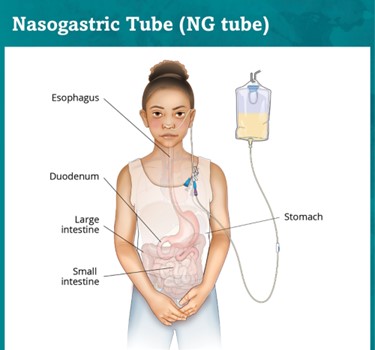
A PACU nurse is monitoring the drainage from a client's NG tube following abdominal surgery. Which of the following findings in the first postoperative hour should the nurse report to the provider?
75 mL of greenish-yellow drainage
150 mL of serosanguineous drainage
100 mL of red drainage
200 mL of brown drainage
The Correct Answer is C
Choice A reason:
75 mL of greenish-yellow drainage should not be reported. This could be stomach contents or bile, which can be expected after surgery and might not be alarming.
Choice B reason:
150 mL of serosanguineous drainage should not be reported. Serosanguineous drainage is a mix of clear and slightly bloody fluid, which can be expected after surgery and may not be alarming.
Choice C reason:
100 mL of red drainage should be reported. After abdominal surgery, the drainage from an NG (nasogastric) tube is monitored to assess the client's condition and the status of their gastrointestinal system. Red drainage could indicate bleeding, which is a significant concern after surgery. The nurse should report this finding to the provider for further evaluation and intervention.
Choice D reason:
200 mL of brown drainage should not be reported. Brown drainage could also be indicative of old blood or digestive fluids, which might be expected after surgery and may not be alarming.
Nursing Test Bank
Naxlex Comprehensive Predictor Exams
Related Questions
Correct Answer is C
Explanation
Choice A Reason:
Carvedilol is not the correct medication. Carvedilol is a beta-blocker used for heart conditions, and there is no specific need to withhold it following a CT scan with contrast media.
Choice B Reason:
Clopidogrel is not the correct medication. Clopidogrel is an antiplatelet medication, and there is no specific need to withhold it following a CT scan with contrast media.
Choice C Reason:
Metformin is the correct medication. The nurse should instruct the client to withhold metformin for 48 hours following a CT scan with contrast media. Contrast media used in imaging procedures can potentially cause kidney damage, and when combined with metformin, there is a risk of a serious condition called lactic acidosis. Withholding metformin for 48 hours after the procedure helps prevent this risk.
Choice D Reason:
Furosemide is not the correct medication. - Furosemide is a diuretic, and there is no specific need to withhold it following a CT scan with contrast media.
Correct Answer is A
Explanation
A. Inability to exhale retained carbon dioxide: During an acute asthma attack, airway obstruction due to bronchospasm, inflammation, and increased mucus production leads to air trapping. This makes it difficult for the client to fully exhale, resulting in the retention of carbon dioxide. Hyperinflation of the lungs and respiratory acidosis can occur as a result, contributing to the client's manifestations.
B. Acute loss of alveolar elasticity: A loss of alveolar elasticity is associated with conditions like emphysema, not asthma. Asthma primarily affects the airways rather than the alveoli, and elasticity is not typically impacted during an acute asthma attack.
C. Decreased responsiveness of airways to allergens: Asthma is characterized by increased responsiveness of the airways to triggers such as allergens, not decreased responsiveness. This hyperresponsiveness is a hallmark of the condition and contributes to airway narrowing during an attack.
D. Suppressed bronchiolar inflammatory response: Asthma attacks involve heightened inflammation of the bronchioles, not a suppressed inflammatory response. The inflammation contributes to airway swelling, increased mucus production, and bronchospasm.
Whether you are a student looking to ace your exams or a practicing nurse seeking to enhance your expertise , our nursing education contents will empower you with the confidence and competence to make a difference in the lives of patients and become a respected leader in the healthcare field.
Visit Naxlex, invest in your future and unlock endless possibilities with our unparalleled nursing education contents today