
A nurse working in an emergency department is triaging four clients. Which of the following clients should the nurse recommend for treatment first?
An older adult client who reports constipation of 4 days
A preschooler who has a skin rash
An adolescent who has a closed fracture
A middle adult client who has unstable vital signs
The Correct Answer is D
A. This choice is incorrect because an older adult client who reports constipation of 4 days is not an urgent situation that requires immediate attention. The nurse should assess the client's hydration status, bowel habits, and medication use, and provide education on dietary and lifestyle modifications to prevent constipation.
B. This choice is incorrect because a preschooler who has a skin rash is not an urgent situation that requires immediate attention. The nurse should assess the type, location, and distribution of the rash, as well as any history of allergies, exposure, or infection, and provide appropriate treatment and education.
C. This choice is incorrect because an adolescent who has a closed fracture is not an urgent situation that requires immediate attention. The nurse should assess the site of injury, neurovascular status, pain level, and immobilization device, and provide analgesia and education on fracture care.
D. This choice is correct because a middle adult client who has unstable vital signs is an urgent situation that requires immediate attention. The nurse should assess the client's level of consciousness, airway, breathing, circulation, and possible causes of instability, and initiate life-saving interventions.
Nursing Test Bank
Naxlex Comprehensive Predictor Exams
Related Questions
Correct Answer is C
Explanation
A radial pulse is the pulse felt at the wrist, where the radial artery runs along the thumb side of the forearm. It is one of the most common sites for measuring a person's heart rate⁴.
To measure a radial pulse, the examiner should place two or three fingers over the radial artery, just below the wrist crease, and apply gentle pressure until a pulsation is felt. The examiner should not use the thumb, as it has its own pulse and may interfere with the accuracy of the measurement. The examiner should count the number of beats for 15, 30, or 60 seconds, depending on the regularity and rate of the pulse³⁵.
In the picture, the unlicensed assistive personnel (UAP) is using the thumb to measure the radial pulse, which is incorrect. The practical nurse (PN) should demonstrate the correct pulse site to the UAP and explain why using the thumb is not appropriate. This will help to ensure that the UAP obtains an accurate and reliable pulse rate for the client.
Correct Answer is A
Explanation
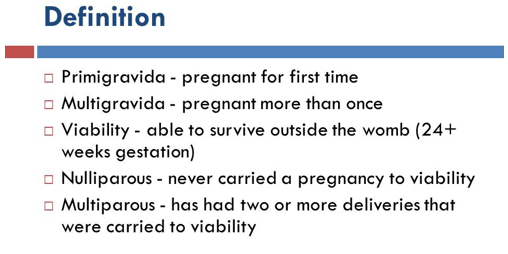
When a primigravida client confides in the practical nurse (PN) about being in an abusive relationship, the primary concern is the safety and well-being of the client and her unborn child.
Providing contact information for a women's shelter is the most appropriate response in this situation. Women's shelters provide a safe haven for individuals experiencing domestic violence and can offer immediate assistance, including shelter, counseling, legal support, and other resources.
In situations involving domestic violence, it is essential to prioritize the safety and well-being of the individual experiencing abuse. Connecting them with resources like women's shelters can provide the necessary support and assistance they need to escape the abusive relationship and protect themselves and their unborn child.
Whether you are a student looking to ace your exams or a practicing nurse seeking to enhance your expertise , our nursing education contents will empower you with the confidence and competence to make a difference in the lives of patients and become a respected leader in the healthcare field.
Visit Naxlex, invest in your future and unlock endless possibilities with our unparalleled nursing education contents today