
A nurse is teaching an adolescent about medication therapy with oral acetylcysteine. Which of the following information should the nurse include in the teaching?
It is necessary to monitor your serum electrolyte levels.
"You should avoid eating eggs.”
“Your mouth will become dry!"
This medication has a very unusual odor.
The Correct Answer is D
Acetylcysteine has a strong and distinct odor, often described as a sulfur-like smell. It is important for the adolescent to be aware of this characteristic odor so that they do not become alarmed or concerned when they encounter it.
The other options mentioned are incorrect:
A. It is necessary to monitor your serum electrolyte levels: Monitoring serum electrolyte levels is not typically required with oral acetylcysteine therapy. However, it is important to follow the healthcare provider's instructions regarding monitoring and follow-up appointments.
B. "You should avoid eating eggs": There is no specific dietary restriction or need to avoid eating eggs while taking oral acetylcysteine. However, it is always advisable to follow a balanced and healthy diet.
C. "Your mouth will become dry!": Dry mouth is not a common side effect of oral acetylcysteine. Side effects may vary from person to person, but dry mouth is not typically associated with this medication.
Nursing Test Bank
Naxlex Comprehensive Predictor Exams
Related Questions
Correct Answer is C
Explanation
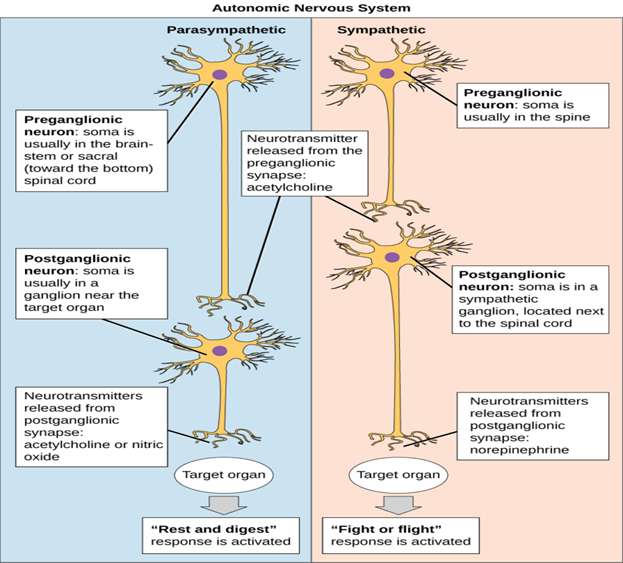
The sympathetic nervous system postganglionic neurons primarily release norepinephrine as their neurotransmitter. These neurons are part of the autonomic nervous system and are responsible for coordinating the body's "fight or flight" response to stress or danger.
Norepinephrine acts as a neurotransmitter at the postganglionic synapses and binds to adrenergic receptors in the target tissues, mediating the physiological responses associated with sympathetic activation.
While acetylcholine is the primary neurotransmitter released by the preganglionic neurons of the sympathetic nervous system, it is not the neurotransmitter released by postganglionic neurons. Epinephrine (also known as adrenaline) is released into the bloodstream by the adrenal medulla and acts as a hormone, not a neurotransmitter. Arginine is an amino acid and is not directly involved in the neurotransmission of the sympathetic nervous system.
Correct Answer is D
Explanation
Dry mouth is a common side effect of diphenhydramine, which is an antihistamine medication commonly used to relieve symptoms of allergies, including itching and rash. Chewing on sugarless gum or sucking on hard, sour candies can help stimulate saliva production and alleviate the discomfort of dry mouth.
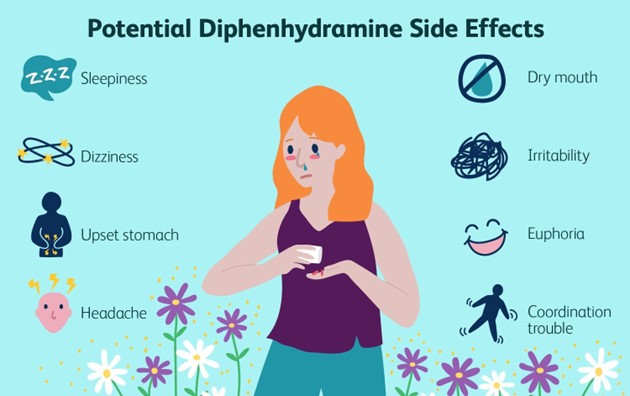
A. "Administer the medication with food": While taking diphenhydramine with food may help reduce the risk of stomach upset, it does not directly address the dry mouth side effect.
B. "Discontinue the medication and notify your provider": Discontinuing the medication without consulting the healthcare provider is not recommended unless specifically instructed to do so. Dry mouth is a common side effect of diphenhydramine and can be managed with supportive measures.
C. "Place a humidifier at your bedside every evening": While using a humidifier can help add moisture to the air and potentially alleviate dryness in the environment, it is not a specific instruction for managing dry mouth caused by diphenhydramine.
Whether you are a student looking to ace your exams or a practicing nurse seeking to enhance your expertise , our nursing education contents will empower you with the confidence and competence to make a difference in the lives of patients and become a respected leader in the healthcare field.
Visit Naxlex, invest in your future and unlock endless possibilities with our unparalleled nursing education contents today