
A nurse is preparing to administer a medication to a client who states. "That looks different from the pill I usually take." Which of the following responses should the nurse make?
"This pill is probably from a different lot number than yours at home."
"This hospital might use a different manufacturer, but the medication is the same."
"This is the medication prescribed by your provider"
"Describe what the pill looks like."
The Correct Answer is D
A. "This pill is probably from a different lot number than yours at home." While lot numbers may vary between different batches of medications, it does not address the client's concern about the difference in appearance. It does not provide a direct explanation or reassurance regarding the medication they are about to take.
B. "This hospital might use a different manufacturer, but the medication is the same." This response acknowledges the possibility of a different manufacturer but does not directly address the client's concern about the difference in appearance. It may not provide sufficient reassurance regarding the medication they are about to receive.
c. "This is the medication prescribed by your provider." This does not address the client's concern about the medication's appearance and may dismiss the possibility of an error.
D. "Describe what the pill looks like." This response allows the nurse to gather more information, verify the medication, and ensure that the correct medication is being administered.
Nursing Test Bank
Naxlex Comprehensive Predictor Exams
Related Questions
Correct Answer is B
Explanation
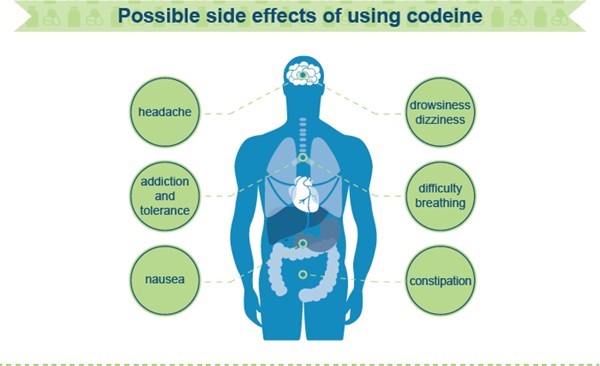
Codeine is an opioid medication that can cause drowsiness and dizziness. Changing positions quickly, especially from lying down to standing up, can increase the risk of falls or accidents.
Instructing the client to change positions slowly helps prevent orthostatic hypotension (a drop in blood pressure upon standing) and reduces the risk of falls.
The other options listed are not appropriate instructions for a client taking codeine:
A. "You should expect to experience diarrhea while taking this medication." While constipation is a common side effect of opioids, diarrhea is not typically associated with codeine use. Therefore, there is no need to expect or warn about diarrhea as an anticipated effect of taking codeine.
C. "You should limit alcohol intake to 12 ounces daily." Mixing alcohol with codeine can have harmful effects, such as increased sedation and respiratory depression. However, it is generally recommended to avoid alcohol completely while taking codeine, rather than setting a specific limit of 12 ounces daily.
D. "You should take the medication on an empty stomach to prevent nausea." Taking codeine with or without food can vary depending on individual factors and the specific instructions provided by the healthcare provider. However, taking codeine on an empty stomach does not necessarily prevent nausea. In fact, taking it with food may help reduce stomach upset for some individuals. It is best to follow the specific instructions provided by the healthcare provider regarding the timing of codeine administration with or without food.
Correct Answer is C
Explanation
Benzonatate is available in capsule form (such as Tessalon Pearls), and it should be swallowed whole. It is important not to chew, crush, or break the capsules as this can cause adverse effects, including local anesthesia in the oral cavity, which can lead to choking or difficulty swallowing. Swallowing the capsule whole ensures that the medication is released properly in the stomach for the desired effect.
The other options mentioned are incorrect:
A. Eating a high-fat meal prior to taking medication: There is no specific requirement to eat a high-fat meal before taking Benzonatate. However, taking it with food or a glass of water may help with ease of swallowing.
B. Taking medication often and whenever a cough is starting: Benzonatate should be taken as directed by the healthcare provider. It is not recommended to take it more frequently or as needed, as it can lead to an overdose or unwanted side effects.
D. Taking medication with orange juice: There is no specific requirement to take Benzonatate with orange juice. It can be taken with water or other non-alcoholic beverages as directed by the healthcare provider.
Whether you are a student looking to ace your exams or a practicing nurse seeking to enhance your expertise , our nursing education contents will empower you with the confidence and competence to make a difference in the lives of patients and become a respected leader in the healthcare field.
Visit Naxlex, invest in your future and unlock endless possibilities with our unparalleled nursing education contents today