
A nurse is teaching a client who has a new diagnosis of asthma. Which of the following medications should the nurse instruct the client to use to abort an acute asthma attack?
Beclomethasone
Formoterol
Salmeterol
Albuterol
The Correct Answer is D
Albuterol is a short-acting beta-agonist bronchodilator, commonly used as a rescue medication for acute asthma symptoms. It works quickly to open up the airways and relieve bronchospasm, helping to alleviate the symptoms of an asthma attack. Beclomethasone, formoterol, and salmeterol are long-acting medications used for maintenance therapy in asthma management, not for immediate relief during an acute attack.
Nursing Test Bank
Naxlex Comprehensive Predictor Exams
Related Questions
Correct Answer is C
Explanation
Status asthmaticus is a severe and potentially life-threatening asthma exacerbation that does not respond well to usual treatment measures. The primary goal in managing status asthmaticus is to relieve the bronchospasm and improve airflow. Short-acting 62-agonists, such as albuterol, are bronchodilators that work quickly to relax the smooth muscles of the airways, providing immediate relief of bronchospasm.
While determining the cause of the acute exacerbation and obtaining a peak flow reading are important aspects of asthma management, in the case of status asthmaticus, the immediate priority is to administer a bronchodilator to alleviate the severe symptoms and improve the child's breathing. Once the acute symptoms are addressed, further assessment and interventions can be carried out to identify the cause and monitor the child's condition.
Correct Answer is C
Explanation
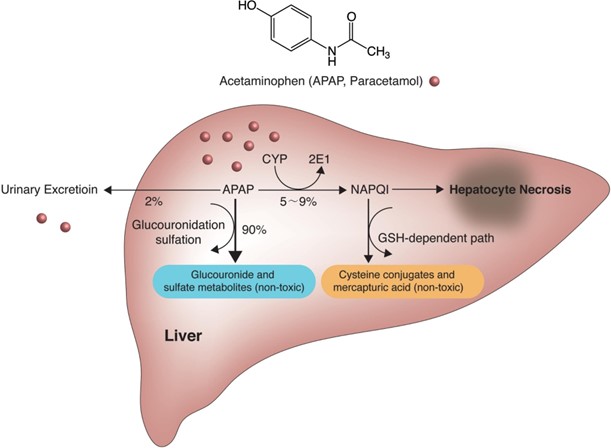
Acetaminophen is a commonly used over-the-counter pain reliever and fever reducer. One of the potential adverse reactions to acetaminophen is liver toxicity, which can present with symptoms such as jaundice (yellowing of the skin and eyes), dark urine, and pale stools. It is important for the client to be aware of these signs and symptoms and report them to their healthcare provider if they occur. Monitoring for jaundice can help identify any potential liver-related complications associated with acetaminophen use.
The other options provided in the question are not typically associated with acetaminophen use:
- Tinnitus: Tinnitus refers to a perception of ringing or buzzing in the ears. It is not a commonly reported adverse reaction to acetaminophen.
- Hyperglycemia: Hyperglycemia refers to high blood sugar levels. Acetaminophen does not typically cause hyperglycemia as a side effect.
- Muscle pain: Acetaminophen is used to relieve mild to moderate pain, including muscle pain. It is not an adverse reaction to the medication.
Whether you are a student looking to ace your exams or a practicing nurse seeking to enhance your expertise , our nursing education contents will empower you with the confidence and competence to make a difference in the lives of patients and become a respected leader in the healthcare field.
Visit Naxlex, invest in your future and unlock endless possibilities with our unparalleled nursing education contents today