
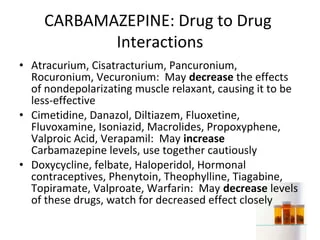
A nurse is reviewing the list of current medications for a client who is to start a new prescription for carbamazepine. The nurse should identify which of the following medications interacts with carbamazepine.
Estrogen-progestin combination
Nicotine transdermal system
Diphenhydramine
Beclomethasone
The Correct Answer is A
A. Estrogen-progestin combination:
Correct Answer: This medication interacts with carbamazepine.
Explanation: Carbamazepine is known to induce certain liver enzymes, including cytochrome P450 enzymes. These enzymes play a role in the metabolism of various medications, including estrogen-containing oral contraceptives (estrogen-progestin combinations). Carbamazepine can increase the metabolism of estrogen-progestin combinations, potentially reducing their effectiveness and increasing the risk of contraceptive failure. Therefore, this interaction can lead to decreased contraceptive efficacy and the potential for unintended pregnancy.
B. Nicotine transdermal system:
Incorrect Explanation: This medication does not interact with carbamazepine.
Explanation: Nicotine replacement therapies, such as nicotine transdermal systems, are not known to have significant interactions with carbamazepine. These therapies are primarily used to aid in smoking cessation and do not share metabolic pathways with carbamazepine.
C. Diphenhydramine:
Incorrect Explanation: This medication does not interact with carbamazepine.
Explanation: Diphenhydramine is an antihistamine used for allergies and as a sleep aid. It does not have a well-established interaction with carbamazepine. However, it's important to note that carbamazepine can have central nervous system (CNS) effects, so caution should be exercised when combining it with other medications that also have CNS effects.
D. Beclomethasone:
Incorrect Explanation: This medication does not interact with carbamazepine.
Explanation: Beclomethasone is a corticosteroid used to manage inflammation associated with conditions like asthma and allergic rhinitis. It is not known to interact with carbamazepine. These two medications have different mechanisms of action and do not share significant metabolic pathways.
Nursing Test Bank
Naxlex Comprehensive Predictor Exams
Related Questions
Correct Answer is B
Explanation
A. "Plan to self-administer this medication for the next 6 months": The duration of treatment may vary based on individual circumstances and medical evaluation. It's not appropriate to make a blanket statement about the treatment duration.
B. "Administer the medication into one nostril once per week."
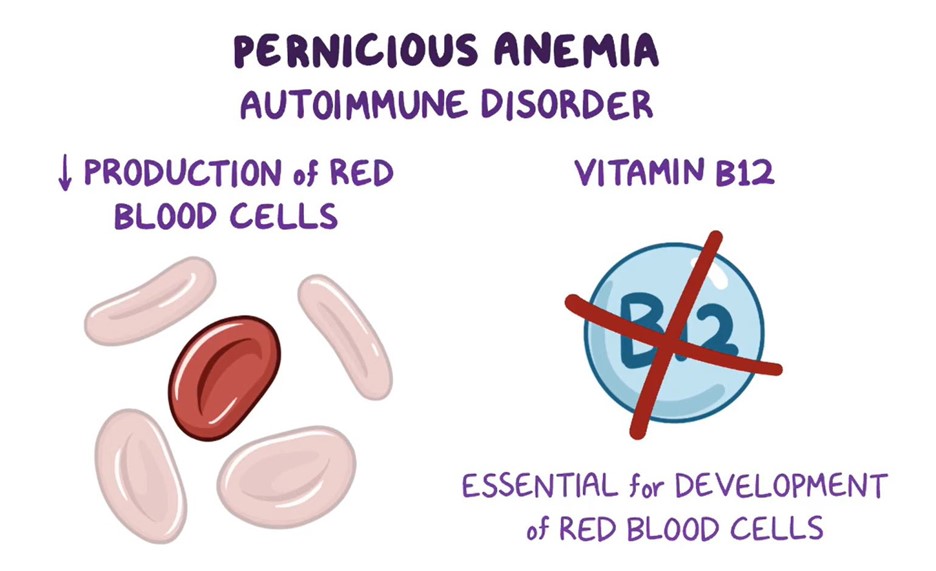
Cyanocobalamin is a form of vitamin B12 that is used to treat pernicious anemia. It can be administered via nasal spray in some cases. The appropriate dosing for nasal cyanocobalamin usually involves administration once a week. The client should be instructed to administer the medication into one nostril as directed by their healthcare provider.
C. "Lie down for 1 hour after administering the medication": There is no need for the client to lie down for an extended period after administering nasal cyanocobalamin.
D. "Use a nasal decongestant 15 minutes before the medication if you have a stuffy nose": This is not a standard recommendation for administering nasal cyanocobalamin. The client should follow the specific instructions provided by their healthcare provider.
Correct Answer is A
Explanation
A. Dispose of the remaining medication while another nurse observes:
This is the correct choice. When a nurse administers a fraction of a tablet, it is not safe or appropriate to store the remaining portion for future use, even if another dose is scheduled. Hydromorphone tablets are meant to be taken whole, and cutting or breaking them can lead to inconsistent dosages. It's important to follow safe medication administration practices and dispose of the unused portion while another nurse observes, ensuring proper disposal.
B. Store the remaining half of the pill in the automated medication dispensing system:
This choice is incorrect. Storing a fraction of a tablet in the automated medication dispensing system is not appropriate. The system is designed for intact medications, and splitting tablets could compromise the accuracy and safety of future doses.
C. Place the remaining half of the pill in the unit-dose package:
This choice is incorrect. Placing a partial tablet back into a unit-dose package could lead to confusion and potential administration errors in the future. The medication packaging should reflect the correct and complete dosage as prescribed.
D. Return the remaining medication to the facility's pharmacy:
This choice is incorrect. Returning a partially used tablet to the pharmacy is not advisable, as the pharmacy cannot ensure the tablet's integrity or accurately verify its dosage. Medication storage and handling standards are in place to ensure patient safety, and using a fraction of a tablet may compromise those standards.
Whether you are a student looking to ace your exams or a practicing nurse seeking to enhance your expertise , our nursing education contents will empower you with the confidence and competence to make a difference in the lives of patients and become a respected leader in the healthcare field.
Visit Naxlex, invest in your future and unlock endless possibilities with our unparalleled nursing education contents today