
A home health nurse is visiting a client who has heart failure and a prescription for furosemide. The nurse identifies that the client has gained 2.5 kg (5 lb) since the last visit 2 days ago. Which of the following actions should the nurse take first?
Determine medication adherence by the client.
Teach the client about foods low in sodium.
Encourage the client to dangle the legs while sitting in a chair.
Notify the provider of the client's weight gain.
The Correct Answer is D
A. Determine medication adherence by the client:
This choice is incorrect as the nurse should first take immediate actions to address the client's weight gain and potential exacerbation of heart failure symptoms. While medication adherence is important, it's not the first action to take in this situation.
B. Teach the client about foods low in sodium:
This choice is incorrect as educating the client about sodium intake is important for managing heart failure, but the priority in this case is to address the current weight gain and potential worsening of the client's condition.
C. Encourage the client to dangle the legs while sitting in a chair:
This choice is incorrect. Dangling the legs while sitting in a chair can help improve blood circulation in some cases, but it's not the first action to take when the client has gained a significant amount of weight since the last visit. The priority should be addressing the weight gain and its potential impact on the client's heart failure.
D. Notify the provider of the client's weight gain:
This is the correct choice. When a client with heart failure experiences a sudden weight gain, it can indicate fluid retention and worsening of their condition. Notifying the healthcare provider about the weight gain is crucial to ensure timely assessment, potential medication adjustments, and other interventions to prevent further deterioration of the client's health. Prompt communication with the provider can help prevent complications associated with heart failure.
Nursing Test Bank
Naxlex Comprehensive Predictor Exams
Related Questions
Correct Answer is B
Explanation
A. "Plan to self-administer this medication for the next 6 months": The duration of treatment may vary based on individual circumstances and medical evaluation. It's not appropriate to make a blanket statement about the treatment duration.
B. "Administer the medication into one nostril once per week."
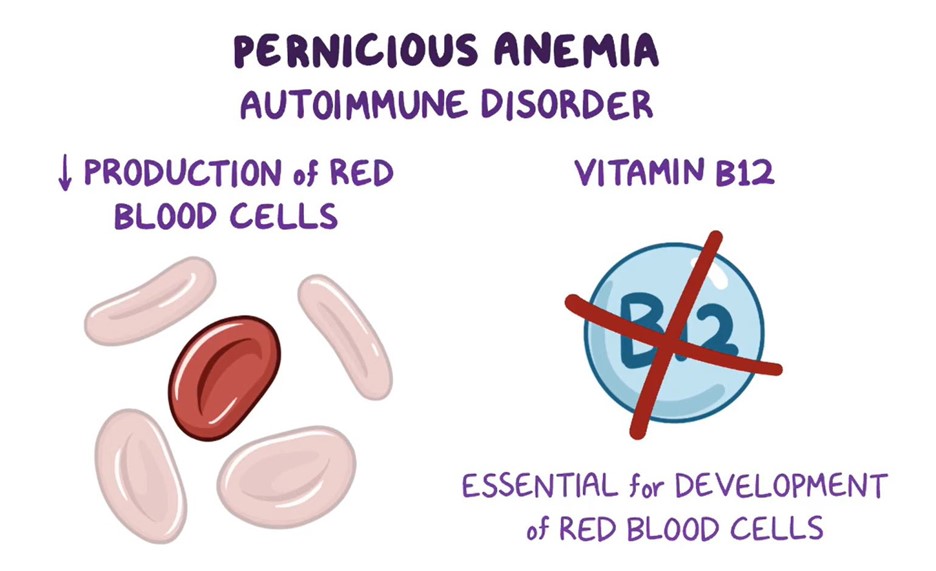
Cyanocobalamin is a form of vitamin B12 that is used to treat pernicious anemia. It can be administered via nasal spray in some cases. The appropriate dosing for nasal cyanocobalamin usually involves administration once a week. The client should be instructed to administer the medication into one nostril as directed by their healthcare provider.
C. "Lie down for 1 hour after administering the medication": There is no need for the client to lie down for an extended period after administering nasal cyanocobalamin.
D. "Use a nasal decongestant 15 minutes before the medication if you have a stuffy nose": This is not a standard recommendation for administering nasal cyanocobalamin. The client should follow the specific instructions provided by their healthcare provider.
Correct Answer is A
Explanation
A. "I will need to have blood levels drawn."
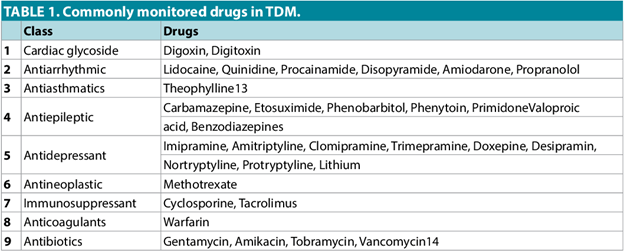
Theophylline is a medication used to treat respiratory conditions like asthma and chronic obstructive pulmonary disease (COPD). It is important to monitor the blood levels of theophylline because it has a narrow therapeutic range – meaning that there is a fine line between a therapeutic dose and a toxic dose. Regular blood tests help to ensure that the client is receiving the appropriate dose for their condition.
B. "I can take my medication in the morning with my coffee." - Theophylline should be taken consistently with meals, so taking it with coffee might not be ideal as it can affect its absorption.
C. "I may sprinkle the medication in applesauce." - Theophylline is usually taken as a sustained-release capsule, which means it is designed to release the medication slowly over time. Crushing or sprinkling the medication can disrupt this mechanism and lead to unintended consequences.
D. "I should limit my fluid intake while on this medication." - There's no requirement to limit fluid intake with theophylline, and in fact, adequate hydration can help prevent some side effects of the medication.
Whether you are a student looking to ace your exams or a practicing nurse seeking to enhance your expertise , our nursing education contents will empower you with the confidence and competence to make a difference in the lives of patients and become a respected leader in the healthcare field.
Visit Naxlex, invest in your future and unlock endless possibilities with our unparalleled nursing education contents today