
A nurse is planning to teach a client who is trying to quit smoking. Which of the following instructions about nicotine replacement options should the nurse include?
Administer 2 sprays of nicotine nasal spray in each nostril with each dose.
Do not drink beverages while sucking on a nicotine lozenge.
Chew nicotine gum for 10 min before spitting it out.
Change the nicotine patch every other day.
The Correct Answer is B
A. Administer 2 sprays of nicotine nasal spray in each nostril with each dose: Nicotine nasal spray is administered as a single spray in each nostril with each dose.
B. Do not drink beverages while sucking on a nicotine lozenge.
This instruction is correct because when using nicotine lozenges, the client should not drink beverages while the lozeng is being dissolved in the mouth. The lozenge should be placed in the mouth and allowed to dissolve slowly over a period of about 20-30 minutes. Consuming beverages can wash away the nicotine from the lozenge too quickly, reducing its effectiveness.
C. Chew nicotine gum for 10 min before spitting it out: Nicotine gum should be chewed for a specific time period (about 30 minutes) until the nicotine is released, and then it should be parked between the cheek and gum until the taste fades, at which point it can be chewed again.
D. Change the nicotine patch every other day: Nicotine patches are usually changed daily, and the site of application should be rotated to avoid skin irritation.
Nursing Test Bank
Naxlex Comprehensive Predictor Exams
Related Questions
Correct Answer is A
Explanation
A. The nurse should report the Total bilirubin 1.5 mg/dL to the provider.
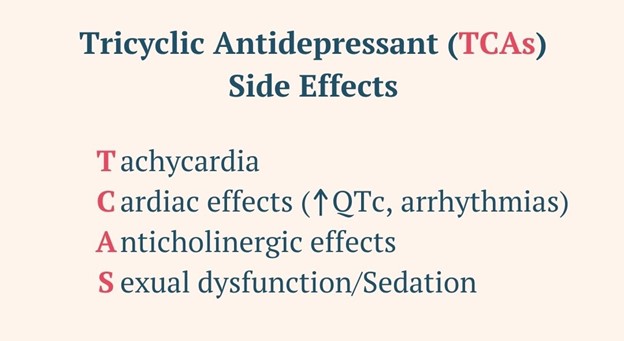
Amitriptyline is an antidepressant medication, and elevated total bilirubin levels can indicate potential liver dysfunction or impairment. It's important to report any significant changes in liver function values to the provider, especially when a client is taking medications that can affect liver metabolism. The other laboratory values mentioned are within normal ranges and would not typically be of concern in the context of amitriptyline use.
B. Potassium 4.2 mEq/L:
This value is within the normal range. Potassium levels of 4.2 mEq/L are considered normal. While potassium levels are important to monitor, this result does not indicate a need for immediate reporting.
C. WBC count 5,000/mm³:
This value is within the normal range. A white blood cell (WBC) count of 5,000/mm³ is within the typical range. It suggests a normal immune response and does not require reporting.
D. Hct 44: This value is incorrect. The hematocrit (Hct) value of 44 is not accompanied by the unit of measurement (percentage or fraction). Hematocrit values measure the proportion of red blood cells in the blood and are usually reported as a percentage. If this value is indeed 44%, it falls within a normal range for both men and women. However, if the unit is different (such as a 44% fraction), it might be an incorrect unit conversion. The nurse should verify the unit of measurement and report any discrepancies or errors to the provider for clarification.
Correct Answer is A
Explanation
A. The client has a history of a severe penicillin allergy:
Correct Answer: This is the priority information for the nurse to report to the provider.
Explanation: Cefuroxime is a cephalosporin antibiotic. Individuals with a history of severe penicillin allergy may also have an increased risk of cross-reactivity with cephalosporin antibiotics. This potential cross-reactivity needs to be evaluated by the provider to determine the safety of prescribing cefuroxime for the client.
B. The client takes an aspirin daily:
Incorrect Explanation: While the daily use of aspirin should be considered when prescribing medications, it is not the priority in this scenario.
Explanation: Aspirin use might affect bleeding risk, but it is not directly related to the potential interaction with cefuroxime. The client's severe penicillin allergy takes precedence in terms of immediate concern.
C. The client reports a history of nausea with cefuroxime:
Incorrect Explanation: A history of nausea with cefuroxime is relevant but is not as critical as the severe penicillin allergy.
Explanation: While the nurse should consider the client's history of nausea with cefuroxime, it is not as urgent as addressing the potential cross-reactivity with penicillin.
D. The client has a BUN level of 18 mg/dL:
Incorrect Explanation: The BUN level is not the priority in this context.
Explanation: A BUN level of 18 mg/dL is within the normal range and is not immediately relevant to the decision about prescribing cefuroxime.
Whether you are a student looking to ace your exams or a practicing nurse seeking to enhance your expertise , our nursing education contents will empower you with the confidence and competence to make a difference in the lives of patients and become a respected leader in the healthcare field.
Visit Naxlex, invest in your future and unlock endless possibilities with our unparalleled nursing education contents today