
A nurse is teaching a client who has active pulmonary tuberculosis about management of medication for the disease. Which of the following statements is appropriate for the nurse to make?
"You should anticipate taking medication to treat your disease for at least the next 3 years."
"You will need to undergo tuberculin skin tests every 6 months while taking medication for your disease."
"You will need to take two or more medications to treat your disease."
"You should report monthly to have your blood drawn to monitor kidney function while taking medication."
The Correct Answer is C
A. "You should anticipate taking medication to treat your disease for at least the next 3 years."
Incorrect Explanation: This statement is not accurate for the treatment duration of active pulmonary tuberculosis.
Explanation: The standard treatment duration for active pulmonary tuberculosis involves taking a combination of medications for a period of 6 to 9 months, depending on the specific treatment regimen. Three years is not a typical timeframe for the treatment of active TB.
B. "You will need to undergo tuberculin skin tests every 6 months while taking medication for your disease."
Incorrect Explanation: Tuberculin skin tests are not typically performed as a routine part of TB medication management.
Explanation: Tuberculin skin tests (also known as Mantoux tests) are used to diagnose latent tuberculosis infection, not as a means to monitor medication management of active pulmonary tuberculosis.
C. "You will need to take two or more medications to treat your disease."
Correct Answer: This statement is appropriate and accurate for the treatment of active pulmonary tuberculosis.
Explanation: The treatment of active pulmonary tuberculosis usually involves a combination of antibiotics (usually four medications) to ensure effective treatment and to prevent the development of drug-resistant strains.
D. "You should report monthly to have your blood drawn to monitor kidney function while taking medication."
Incorrect Explanation: Monthly blood draws for kidney function monitoring are not standard practice for tuberculosis medication management.
Explanation: While kidney function monitoring might be necessary for certain medications, it is not a standard requirement for all tuberculosis medications. Monitoring kidney function is important, but the frequency and need for blood draws may vary based on individual patient factors and the specific medications prescribed.
Nursing Test Bank
Naxlex Comprehensive Predictor Exams
Related Questions
Correct Answer is D
Explanation
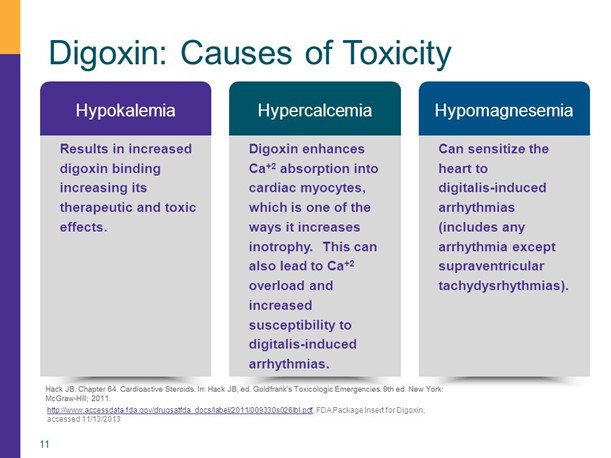
A. Taking an HMG CoA reductase inhibitor (commonly known as statins) is not directly associated with digoxin toxicity. Statins are used to lower cholesterol levels.
B. Having a 10-year history of COPD (chronic obstructive pulmonary disease) is not directly linked to an increased risk of digoxin toxicity.
C. Having a prolapsed mitral valve is a valvular disorder and is not a primary factor that contributes to digoxin toxicity.
D. Taking a high-ceiling diuretic
The factor that predisposes the client to develop digoxin toxicity is taking a high-ceiling diuretic.
Digoxin toxicity can be influenced by several factors. One important factor is the levels of potassium in the blood. High-ceiling diuretics, also known as loop diuretics (e.g., furosemide), can lead to potassium loss through increased urinary excretion. Low levels of potassium (hypokalemia) can increase the risk of digoxin toxicity, as digoxin has a greater effect on the heart when potassium levels are low.
Correct Answer is D
Explanation
A. "Decrease your daily sodium intake."
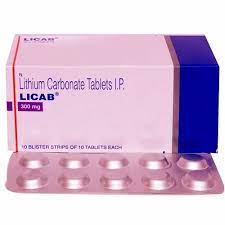
Incorrect Explanation: This instruction is appropriate for a client taking lithium carbonate.
Explanation: Lithium is a mood-stabilizing medication commonly prescribed for conditions like bipolar disorder. High levels of sodium can lead to increased lithium retention in the body, potentially raising the risk of toxicity. Advising the client to decrease their daily sodium intake helps prevent this.
B. "Take this medication 2 hours before a meal."
Incorrect Explanation: This instruction is not accurate for lithium carbonate.
Explanation: Lithium carbonate is typically taken with food or milk to help minimize stomach upset. Taking it on an empty stomach might increase the risk of gastrointestinal side effects.
C. "Limit foods containing tyramine."
Incorrect Explanation: This instruction is not directly relevant to lithium carbonate.
Explanation: Tyramine is a compound found in some foods and can interact with certain medications like monoamine oxidase inhibitors (MAOIs), but it is not a primary concern with lithium carbonate.
D. "Report swelling of the feet to your provider."
Correct Explanation: This instruction is appropriate for a client taking lithium carbonate.
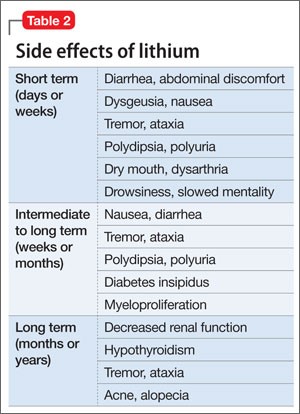
Explanation: Lithium can lead to water retention, which might result in swelling, particularly in the feet and ankles. Reporting swelling is important as it can be an early sign of potential side effects or changes in kidney function.
Whether you are a student looking to ace your exams or a practicing nurse seeking to enhance your expertise , our nursing education contents will empower you with the confidence and competence to make a difference in the lives of patients and become a respected leader in the healthcare field.
Visit Naxlex, invest in your future and unlock endless possibilities with our unparalleled nursing education contents today