
A nurse is reviewing the laboratory results of a client who has rheumatoid arthritis and a prescription for cyclosporine.
The nurse should report which of the following laboratory values to the provider?
Creatinine.5 mg/dL.
Potassium 4.2 mEq/L.
BUN 18 mg/dL.
Sodium 139 mEq/L.
The Correct Answer is A
Cyclosporine is an immunosuppressant medication that can have nephrotoxic effects.
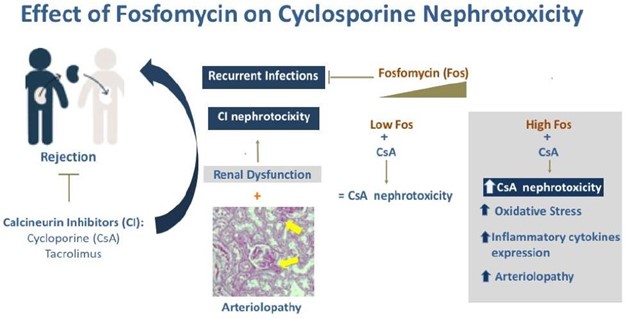
A creatinine level of.5 mg/dL is above the normal range and may indicate impaired kidney function.
The nurse should report this value to the provider for further evaluation.
Choice B is wrong because Potassium 4.2 mEq/L, is not the correct answer because it falls within the normal range for potassium levels in the blood.
Choice C is wrong because BUN 18 mg/dL, is not the correct answer because it falls within the normal range for blood urea nitrogen levels.
Choice D is wrong because Sodium 139 mEq/L, is not the correct answer because it falls within the normal range for sodium levels in the blood.
Nursing Test Bank
Naxlex Comprehensive Predictor Exams
Related Questions
Correct Answer is C
Explanation
Administer the medication through a straw.
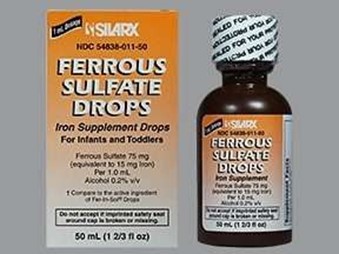
This is because ferrous sulfate elixir can stain the teeth, so using a straw can help prevent this from happening.
Choice A is wrong because milk can interfere with the absorption of iron.
Choice B is wrong because caffeine can also interfere with iron absorption.
Choice D is wrong because antacids can reduce the absorption of iron and should be avoided within 2 hours of taking ferrous sulfate.
Correct Answer is C
Explanation
The nurse who identifies the error is responsible for completing an incident report.

Initial reports often come from the frontline personnel directly involved in an event or the actions leading up to it.
Choice A is wrong because the charge nurse is not necessarily responsible for completing an incident report.
Choice B is wrong because the quality improvement committee is not responsible for completing an incident report.
Choice D is wrong because the nurse who caused the error may not be aware of it and therefore may not be responsible for completing an incident report.
Whether you are a student looking to ace your exams or a practicing nurse seeking to enhance your expertise , our nursing education contents will empower you with the confidence and competence to make a difference in the lives of patients and become a respected leader in the healthcare field.
Visit Naxlex, invest in your future and unlock endless possibilities with our unparalleled nursing education contents today