
A nurse is reviewing the laboratory results of a client who has bulimia nervosa. The nurse should notify the provider of which of the following results?
Potassium 3.2 mEq/L
WBC 5,200/mm3
Hgb 14 g/dL
Magnesium 1.6 mEq/L
The Correct Answer is A
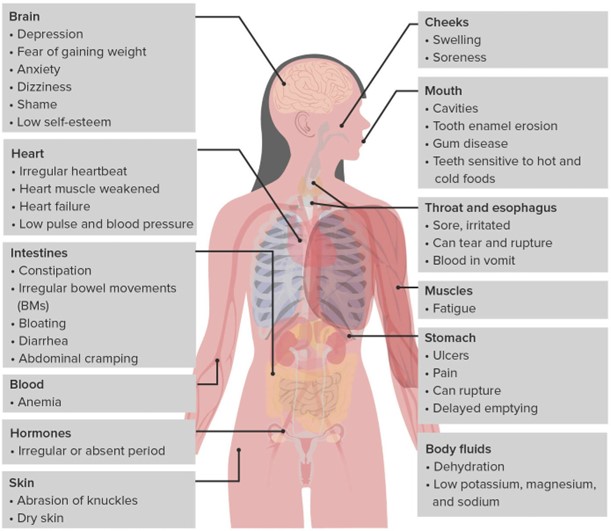
Low potassium levels, known as hypokalemia, can be a significant concern in individuals with bulimia nervosa due to the frequent purging behaviors associated with the condition. Purging, such as self-induced vomiting or misuse of laxatives or diuretics, can lead to excessive loss of potassium from the body. Hypokalemia can have serious consequences, including cardiac arrhythmias, muscle weakness, fatigue, and even life-threatening complications.
The normal range for potassium is typically around 3.5-5.0 mEq/L. With a potassium level of 3.2 mEq/L falling below the normal range, it indicates a low potassium level and requires prompt attention.
The other laboratory results mentioned in the question are within normal ranges:
● A WBC (white blood cell) count of 5,200/mm3 falls within the normal range (typically between 4,500 and 11,000/mm3) and indicates a normal white blood cell count.
● An Hgb (hemoglobin) level of 14 g/dL falls within the normal range (typically between 12 and 16 g/dL) and indicates a normal hemoglobin level.
● A magnesium level of 1.6 mEq/L, although slightly low, is still within the normal range (typically between 1.5 and 2.5 mEq/L). The nurse should monitor it closely and assess for symptoms associated with hypomagnesemia. If the client's symptoms or other clinical indications suggest a significant magnesium imbalance, the healthcare provider should be notified.
Nursing Test Bank
Naxlex Comprehensive Predictor Exams
Related Questions
Correct Answer is A
Explanation
Omega-3 fatty acids, specifically eicosapentaenoic acid (EPA) and docosahexaenoic acid (DHA), are mainly found in fatty fish. Since vegans avoid animal products, they may not consume adequate amounts of EPA and DHA. Plant-based sources of omega-3 fatty acids, such as flaxseeds, chia seeds, and walnuts, provide a different type of omega-3 called
alpha-linolenic acid (ALA), which can be converted to EPA and DHA in the body to some extent. However, this conversion is not very efficient, and the amount of EPA and DHA obtained from plant-based sources may be insufficient to meet the body's needs. Therefore, vegan individuals are at greater risk of omega-3 fatty acid deficiency.
Magnesium, potassium, and vitamin A deficiencies are not specifically associated with a vegan diet. These nutrients can be obtained from various plant-based sources. Magnesium can be found in foods such as legumes, nuts, seeds, whole grains, and leafy green vegetables.
Potassium is abundant in fruits, vegetables, legumes, and whole grains.
Vitamin A can be obtained from plant-based sources like carrots, sweet potatoes, spinach, and other dark leafy greens. However, it is important for individuals following a vegan diet to ensure they consume a varied and balanced diet to meet their nutritional needs for these and other essential nutrients.
Correct Answer is A
Explanation
Low potassium levels, known as hypokalemia, can be a significant concern in individuals with bulimia nervosa due to the frequent purging behaviors associated with the condition. Purging, such as self-induced vomiting or misuse of laxatives or diuretics, can lead to excessive loss of potassium from the body. Hypokalemia can have serious consequences, including cardiac arrhythmias, muscle weakness, fatigue, and even life-threatening complications.
The normal range for potassium is typically around 3.5-5.0 mEq/L. With a potassium level of 3.2 mEq/L falling below the normal range, it indicates a low potassium level and requires prompt attention.
The other laboratory results mentioned in the question are within normal ranges:
● A WBC (white blood cell) count of 5,200/mm3 falls within the normal range (typically between 4,500 and 11,000/mm3) and indicates a normal white blood cell count.
● An Hgb (hemoglobin) level of 14 g/dL falls within the normal range (typically between 12 and 16 g/dL) and indicates a normal hemoglobin level.
● A magnesium level of 1.6 mEq/L, although slightly low, is still within the normal range (typically between 1.5 and 2.5 mEq/L). The nurse should monitor it closely and assess for symptoms associated with hypomagnesemia. If the client's symptoms or other clinical indications suggest a significant magnesium imbalance, the healthcare provider should be notified.
Whether you are a student looking to ace your exams or a practicing nurse seeking to enhance your expertise , our nursing education contents will empower you with the confidence and competence to make a difference in the lives of patients and become a respected leader in the healthcare field.
Visit Naxlex, invest in your future and unlock endless possibilities with our unparalleled nursing education contents today