
A nurse is providing teaching to a client who has dumping syndrome. Which of the following instructions should the nurse include in the teaching?
"Eat protein at each meal."
"Consume three large meals daily."
"Drink beverages with meals."
"Sit up in bed after meals."
The Correct Answer is A
"Eat protein at each meal": This is an important instruction for a client with dumping syndrome. Including protein at each meal can help slow down the digestion process and reduce the rapid emptying of the stomach contents into the small intestine, which is characteristic of dumping syndrome. Protein takes longer to digest and can help stabilize blood sugar levels, promote satiety, and minimize the symptoms of dumping syndrome.
"Consume three large meals daily": Consuming three large meals daily is not recommended for clients with dumping syndrome. Large meals can exacerbate the symptoms by overloading the digestive system. Instead, it is generally advised to consume smaller, more frequent meals throughout the day to help manage dumping syndrome symptoms.
"Drink beverages with meals": It is not recommended to drink beverages with meals for clients with dumping syndrome. Consuming liquids with meals can further contribute to the rapid emptying of the stomach contents and worsen symptoms. It is preferable to drink fluids between meals to maintain hydration without affecting the digestion process.
"Sit up in bed after meals": This instruction is relevant for clients with gastroesophageal reflux disease (GERD) but may not be specifically related to dumping syndrome. In the case of dumping syndrome, it is generally recommended to remain in an upright position after meals to aid digestion and reduce symptoms, such as bloating, cramping, and diarrhea.
Nursing Test Bank
Naxlex Comprehensive Predictor Exams
Related Questions
Correct Answer is D
Explanation
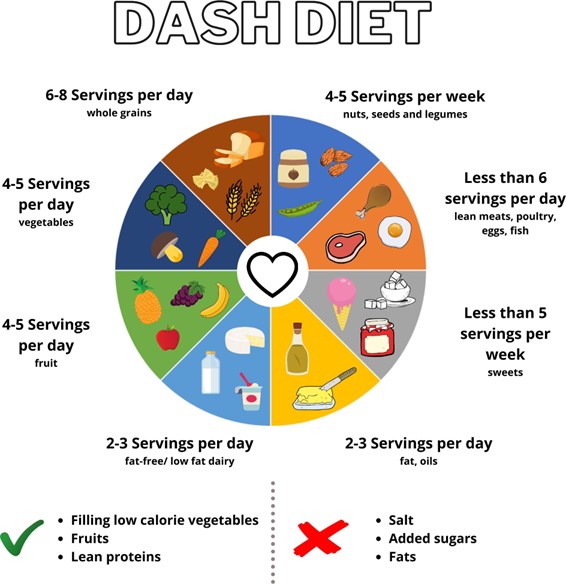
The DASH diet is a dietary approach specifically designed to lower blood pressure. It emphasizes consuming foods that are rich in nutrients like potassium, calcium, and magnesium, while reducing the intake of saturated fat, cholesterol, and sodium. Calcium-rich foods are an important component of the DASH diet as they have been shown to have a beneficial effect on blood pressure. Good sources of dietary calcium include low-fat dairy products, fortified
plant-based milk, leafy green vegetables, and calcium-fortified foods.
"Consume ten percent of total calories from saturated fat": The DASH diet recommends reducing the intake of saturated fat to improve heart health. The goal is to consume no more than 6% of total calories from saturated fat. Saturated fats are typically found in animal products, such as fatty cuts of meat, full-fat dairy products, and tropical oils like coconut and palm oil.
"Increase intake of refined carbohydrates": The DASH diet encourages the consumption of whole grains rather than refined carbohydrates. Whole grains are rich in fiber and other nutrients, which can help lower blood pressure. Refined carbohydrates, on the other hand, can lead to spikes in blood sugar levels and are generally less nutritious.
"Limit sodium intake to 3,200 milligrams per day": The DASH diet recommends reducing sodium intake to 2,300 milligrams per day or less. For individuals with hypertension or at risk for hypertension, including many clients with hypertension, further lowering sodium intake to 1,500 milligrams per day may be advised. Reducing sodium intake is important for blood pressure management.
Correct Answer is A
Explanation
The nurse should expect the client to have a weight loss rate of 0.45 kg (1 lb) per week when reducing their calorie intake by 500 calories per day. A general guideline for weight loss is that a calorie deficit of 500 calories per day can lead to a weight loss of approximately 0.45 kg (1 lb) per week. This estimate is based on the notion that 1 pound of body weight is roughly equivalent to 3,500 calories. By creating a calorie deficit of 500 calories per day (500 calories x 7 days = 3,500 calories), the client can expect to lose around 0.45 kg (1 lb) of weight per week.
It is important to note that individual factors, such as metabolism and activity level, can influence weight loss rates. Therefore, the actual rate of weight loss may vary among individuals. It is generally recommended to aim for gradual and sustainable weight loss rather than rapid or extreme weight loss.
Whether you are a student looking to ace your exams or a practicing nurse seeking to enhance your expertise , our nursing education contents will empower you with the confidence and competence to make a difference in the lives of patients and become a respected leader in the healthcare field.
Visit Naxlex, invest in your future and unlock endless possibilities with our unparalleled nursing education contents today