
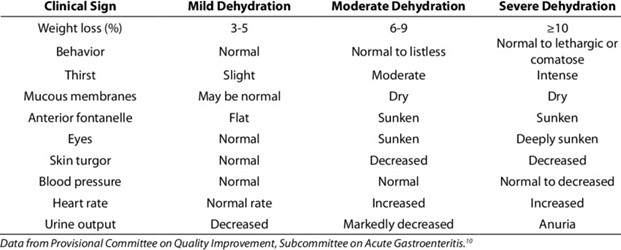
A nurse is assessing a client who is postoperative and has an indwelling urinary catheter. Which of the following findings indicates that the client is experiencing dehydration?
BUN 15 mg/dL
Blood pressure 150/82 mm Hg
Urine specific gravity 1.010
Urine output of 20 mL/hr
The Correct Answer is D
A urine output of 20 mL/hr is considered to be low and suggests decreased fluid intake or fluid loss. In a postoperative client with an indwelling urinary catheter, a low urine output may indicate dehydration, especially if the client is not receiving adequate fluids or experiencing excessive fluid loss.
BUN 15 mg/dL: Blood urea nitrogen (BUN) is a laboratory value that reflects the amount of urea nitrogen in the blood and can be used to assess kidney function and hydration status. A BUN level of 15 mg/dL falls within the normal range, indicating that the client's kidneys are adequately removing urea from the blood. However, it does not provide definitive information about hydration status on its own.
Blood pressure 150/82 mm Hg: The blood pressure reading of 150/82 mm Hg does not provide specific information about hydration status. It is important to consider the client's baseline blood pressure, medical history, and other factors when interpreting blood pressure readings.
Urine specific gravity 1.010: A urine specific gravity of 1.010 falls within the normal range and does not indicate dehydration. It suggests that the concentration of solutes in the urine is within the expected range.
Nursing Test Bank
Naxlex Comprehensive Predictor Exams
Related Questions
Correct Answer is C
Explanation
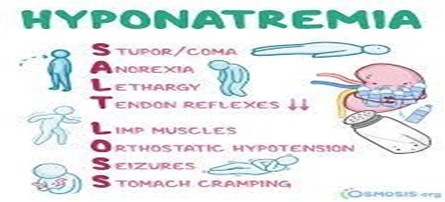
Muscle weakness is a finding that indicates the client is experiencing water intoxication. Muscle weakness is a symptom of water intoxication because the excessive intake of water dilutes the sodium levels in the blood, causing hyponatremia. Sodium is an electrolyte that helps maintain the balance of fluids in and around cells and also regulates muscle contraction. When sodium levels are too low, the cells swell and the muscles lose their ability to function properly.
Weak pulses are not a specific finding for water intoxication, as they can be caused by other factors such as decreased blood volume or inadequate cardiac output.
Hypernatremia is the opposite of hyponatremia, meaning high sodium levels in the blood. This can occur due to dehydration, excessive salt intake, or certain medical conditions, but not water intoxication.
Exaggerated reflexes are not typically associated with water intoxication. They may be seen in conditions such as hyperreflexia or certain neurological disorders.
Correct Answer is B
Explanation
Coronary heart disease (CHD) is a condition characterized by the buildup of plaque in the coronary arteries, leading to reduced blood flow to the heart. Several risk factors contribute to the development of CHD, including high blood glucose levels, high levels of low-density lipoprotein (LDL) cholesterol, and high total cholesterol levels.
HbA1c 5%: HbA1c is a measure of average blood glucose levels over the past 2-3 months. A level of 5% is within the target range for individuals without diabetes and indicates good glycemic control. It does not place the client at risk for CHD.
Fasting glucose 140 mg/dL: Fasting glucose levels above 126 mg/dL are considered diagnostic criteria for diabetes mellitus. A level of 140 mg/dL indicates hyperglycemia and suggests impaired glucose metabolism, which is a risk factor for CHD.
LDL 64 mg/dL: LDL cholesterol is often referred to as "bad" cholesterol, as elevated levels are associated with an increased risk of CHD. A level of 64 mg/dL is within the desirable range and does not place the client at risk for CHD.
Total cholesterol 173 mg/dL: Total cholesterol levels below 200 mg/dL are generally considered desirable. A level of 173 mg/dL is within the desirable range and does not place the client at risk for CHD.
Whether you are a student looking to ace your exams or a practicing nurse seeking to enhance your expertise , our nursing education contents will empower you with the confidence and competence to make a difference in the lives of patients and become a respected leader in the healthcare field.
Visit Naxlex, invest in your future and unlock endless possibilities with our unparalleled nursing education contents today