
A nurse is teaching about denture care to the partner of a client who is unable to perform oral hygiene. Which of the following should the nurse include in the teaching?
Wrap gloved fingers with gauze to remove dentures.
Wipe dentures before storing them in a dry container at night.
Use a washcloth to clean the denture surfaces.
Floss dentures as part of daily cleaning.
The Correct Answer is B
Wipe dentures before storing them in a dry container at night: This is a correct instruction. Before storing dentures overnight, it is important to remove debris and rinse them with water. Wiping the dentures helps to remove any remaining residue or particles and keeps them relatively clean until the next use. Storing dentures in a dry container helps prevent the growth of microorganisms and maintains the shape of the dentures.
Wrap gloved fingers with gauze to remove dentures: This is not the recommended technique for removing dentures. Instead, it is recommended to use a denture brush or a soft-bristled toothbrush with a non-abrasive denture cleaner or mild soap to clean the dentures. The use of gauze may not provide adequate cleaning and may cause damage to the denture surface.
Use a washcloth to clean the denture surfaces: A washcloth is not the ideal tool for cleaning dentures. Instead, a denture brush or a soft-bristled toothbrush should be used. These tools are specifically designed to clean denture surfaces effectively without causing damage.
Floss dentures as part of daily cleaning: Flossing is not necessary for denture cleaning since dentures do not have natural teeth or spaces between them. However, it is important to clean all surfaces of the dentures using a denture brush or a soft-bristled toothbrush to remove plaque, debris, and stains.
Nursing Test Bank
Naxlex Comprehensive Predictor Exams
Related Questions
Correct Answer is B
Explanation
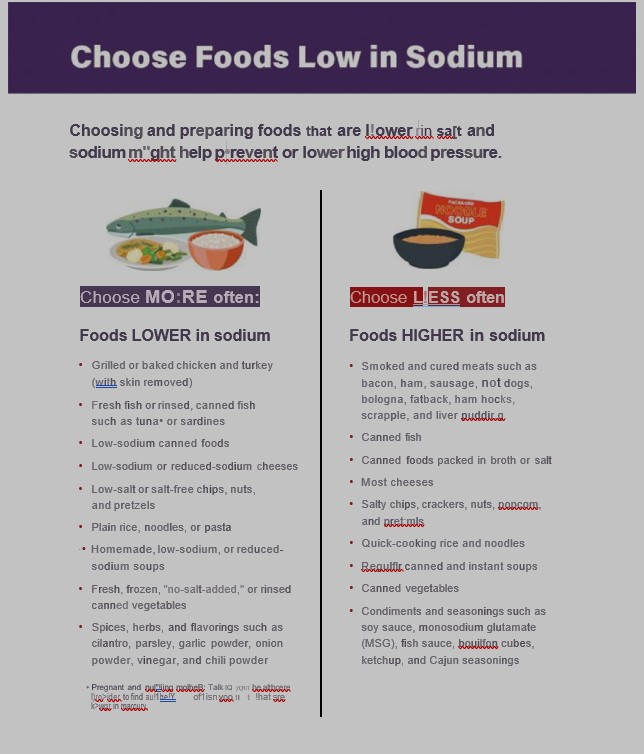
2 oz processed cheese: Processed cheese, including cheese slices or spreads, tends to have a higher sodium content compared to other dairy products. The processing methods used in the production of processed cheese often involve the addition of sodium-containing ingredients to enhance flavor and improve texture.
1/2 cup yogurt: Yogurt generally has a lower sodium content compared to processed cheese. However, the sodium content can vary depending on the brand and type of yogurt. It is advisable to choose plain or low-sodium yogurt to minimize sodium intake.
1 cup milk: Plain milk, such as cow's milk, typically has a lower sodium content compared to processed cheese. However, it is important to note that flavored or sweetened milk products may contain added sugars and other ingredients that can increase sodium content. Choosing unsweetened or low-sodium varieties is recommended.
4 oz vanilla pudding: While some commercial pudding mixes may contain sodium, the sodium content in vanilla pudding is generally lower compared to processed cheese. However, it is important to read food labels and choose lower sodium options or consider homemade versions to better control sodium intake.
Correct Answer is C
Explanation
The nurse should plan to change the IV tubing for the TPN solution every 72 hours. This is necessary to maintain the sterility of the system and minimize the risk of infection. TPN solutions are prone to bacterial growth, and changing the tubing regularly helps prevent contamination.
Removing TPN from the refrigerator 5 minutes before infusing it is not necessary. TPN solutions are typically stored in the refrigerator to maintain their stability and prevent spoilage. It should be brought to room temperature over a longer period of time, usually 30-60 minutes, before administration.
Discarding the remaining TPN solution that is still infusing after 24 hours is unnecessary. TPN solutions can typically be infused for up to 24 hours without compromising their safety and efficacy. However, it is important to monitor the solution closely for any signs of contamination or degradation, and if any concerns arise, the nurse should consult with the healthcare provider.
Changing the dressing around the IV site weekly is not specific to TPN administration. Dressing changes for peripheral IV sites are typically performed according to facility protocols and the condition of the site, but they are not necessarily done on a weekly basis. The frequency of dressing changes depends on factors such as the type of dressing used, the patient's condition, and any signs of infection or dislodgement.
Whether you are a student looking to ace your exams or a practicing nurse seeking to enhance your expertise , our nursing education contents will empower you with the confidence and competence to make a difference in the lives of patients and become a respected leader in the healthcare field.
Visit Naxlex, invest in your future and unlock endless possibilities with our unparalleled nursing education contents today