
A nurse is making a discharge teaching plan for a client who is taking digoxin and furosemide. Which of the following foods should the nurse instruct the client to consume?
Bananas
Green beans
Blueberries
Cucumbers
The Correct Answer is A
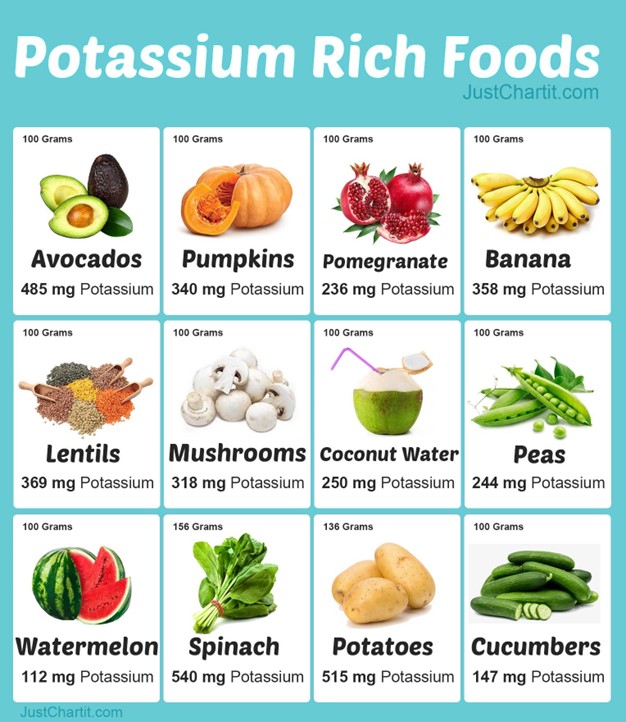
Bananas: Bananas are a suitable choice for a client taking digoxin and furosemide. Digoxin is a medication commonly prescribed for heart failure and certain heart rhythm disorders, and maintaining adequate potassium levels is important while taking this medication. Bananas are a good source of potassium and can help prevent or correct low potassium levels (hypokalemia), which can be a potential side effect of both digoxin and furosemide.
Green beans: Green beans can be included in the client's diet when taking digoxin and furosemide. While they are a healthy vegetable choice, they do not have a direct impact on the potassium levels affected by these medications.
Blueberries: Blueberries are a nutritious fruit choice, but they do not have a specific relevance to the client's medication regimen of digoxin and furosemide. They can be part of a balanced diet but are not specifically recommended or contraindicated in this context.
Cucumbers: Cucumbers are a refreshing vegetable choice, but they do not have a direct impact on the potassium levels affected by digoxin and furosemide. While maintaining hydration is important, other foods would be more relevant for addressing potassium needs.
Nursing Test Bank
Naxlex Comprehensive Predictor Exams
Related Questions
Correct Answer is D
Explanation
Throat cancer and radiation therapy can cause various side effects, including nausea, stomatitis (inflammation of the mouth), and weight loss. In this situation, it is important to focus on nutritional support and addressing the client's symptoms.
Selecting foods high in protein is recommended for this client. Protein is essential for tissue repair and maintaining muscle mass, which is crucial for recovery and preventing further weight loss. Foods high in protein include lean meats, poultry, fish, dairy products, eggs, legumes, and tofu. The nurse can work with a registered dietitian to develop a meal plan that incorporates protein-rich foods while considering the client's preferences and any specific dietary restrictions.
Regarding the other options:
● Increase intake of liquids at mealtime: While it is important for the client to maintain hydration, increasing liquid intake at mealtime may contribute to a feeling of fullness and exacerbate nausea. It is generally recommended to consume liquids between meals rather than with meals.
● Serve foods hot: Serving foods hot may not directly address the client's symptoms. The temperature of the food is unlikely to alleviate nausea, stomatitis, or weight loss.
● Consume foods high in fat content: Foods high in fat content may be difficult to tolerate for a client experiencing nausea and stomatitis. Additionally, focusing on increasing protein intake is generally a higher priority than increasing fat intake for a client experiencing weight loss
Correct Answer is ["A","C","D"]
Explanation
In a nutrition plan for a client at risk for malnutrition, the nurse should include the following actions:
Assess for pain prior to mealtime: Pain can significantly impact a person's appetite and ability to eat. Assessing for pain before mealtime can help identify any discomfort that may hinder the client's ability to eat.
Provide mouth care before feeding: Proper oral hygiene is essential for maintaining a healthy appetite and preventing oral health issues that can affect eating. Providing mouth care before feeding helps ensure a clean and comfortable oral environment.
Remove the bedpan from the client's sight: Sight and smell can have a significant impact on a person's appetite. Removing the bedpan from the client's sight can help create a more pleasant dining environment and promote a better appetite.
However, the following actions should not be included in the plan:
Discourage snacks between meals: For clients at risk for malnutrition, it may be necessary to encourage nutrient-dense snacks between meals to increase caloric intake. Discouraging snacks may further contribute to malnutrition.
Administer antiemetics following the meal: Administering antiemetics following a meal is not a routine action in a nutrition plan. Antiemetics are typically used to treat nausea and vomiting, which may interfere with a person's ability to eat, but their administration should be based on specific symptoms and prescribed by a healthcare provider.
Whether you are a student looking to ace your exams or a practicing nurse seeking to enhance your expertise , our nursing education contents will empower you with the confidence and competence to make a difference in the lives of patients and become a respected leader in the healthcare field.
Visit Naxlex, invest in your future and unlock endless possibilities with our unparalleled nursing education contents today