
A nurse is teaching about implementing a heart-healthy diet to a client who has coronary artery disease. Which of the following foods should the nurse recommend to the client?
Canned potato soup
Baked ham
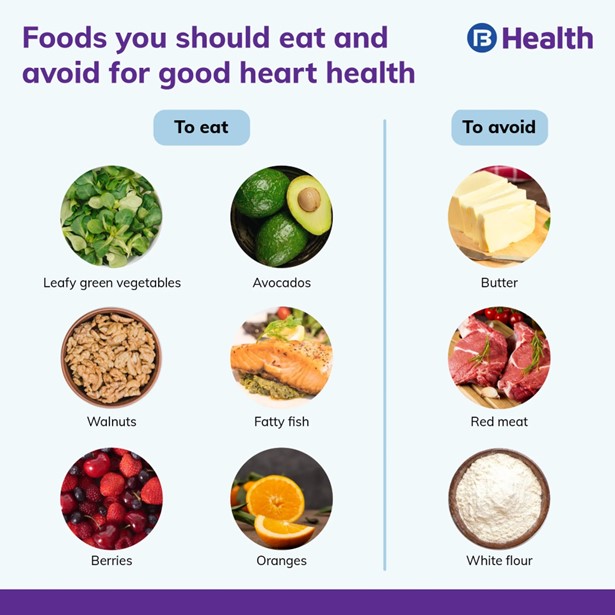
Broiled salmon
Processed cheese
The Correct Answer is C
Baked ham: Baked ham is typically high in saturated fat and sodium, which are not favorable for a heart-healthy diet. Consuming excessive amounts of saturated fat can contribute to high cholesterol levels and increase the risk of coronary artery disease.
Canned potato soup: Canned potato soup often contains high levels of sodium and may also be high in saturated fat, depending on the specific brand and recipe. Excess sodium intake can lead to high blood pressure, which is a risk factor for coronary artery disease. Therefore, canned potato soup is not an ideal choice for a heart-healthy diet.
Broiled salmon: Broiled salmon is an excellent choice for a heart-healthy diet. It is rich in omega-3 fatty acids, which have been shown to have cardiovascular benefits, including reducing the risk of heart disease. Salmon is also a good source of lean protein and contains
less saturated fat compared to red meats. It is recommended to choose broiled or grilled salmon rather than fried or breaded preparations to minimize added fats and oils.
Processed cheese: Processed cheese, such as cheese slices or spreads, tends to be high in saturated fat and sodium. These types of cheeses are not the best choice for a heart-healthy diet. It is better to opt for natural, low-fat cheeses or other dairy alternatives that are lower in saturated fat and sodium.
Nursing Test Bank
Naxlex Comprehensive Predictor Exams
Related Questions
Correct Answer is C
Explanation
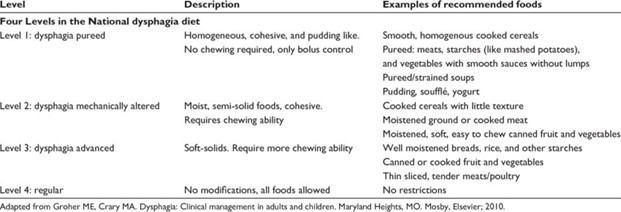
A level 1 dysphagia diet, also known as a pureed diet, is recommended for individuals with severe swallowing difficulties. It involves pureeing or blending all foods to a smooth consistency to facilitate swallowing and prevent choking.
● Chicken noodle soup: This option typically contains solid ingredients such as chicken, noodles, and vegetables, which are not suitable for a level 1 dysphagia diet. The client may have difficulty swallowing these solid components.
● Apple juice: Liquids, including apple juice, are generally not included in a level 1 dysphagia diet as they require minimal swallowing effort. However, it is essential to consult a speech-language pathologist or dysphagia specialist regarding the client's specific liquid consistency recommendations.
● Pudding: Pudding is an ideal choice for a level 1 dysphagia diet as it can be easily pureed to a smooth consistency that is safe for swallowing. It provides a creamy and soft texture that is easier for individuals with dysphagia to manage.
● Milk: Milk is not typically recommended for a level 1 dysphagia diet as it is a liquid and requires minimal swallowing effort. Similar to apple juice, specific liquid consistency recommendations should be sought from a dysphagia specialist.
Correct Answer is C
Explanation
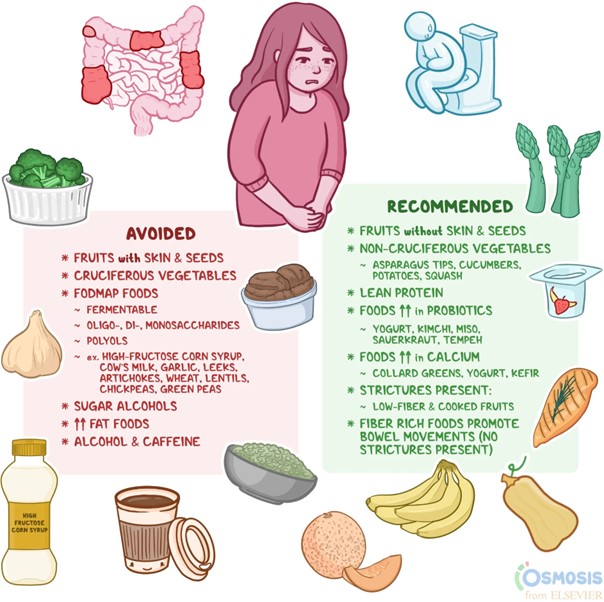
"I should limit the amount of fiber in my diet": This statement demonstrates an understanding of the teaching. In Crohn's disease, certain types of fiber can be difficult to digest and may worsen symptoms such as abdominal pain, diarrhea, and bowel obstruction. Therefore, it is often recommended to limit the intake of high-fiber foods during active disease flares.
"I will need to take mild laxatives to help me have a bowel movement": Taking laxatives is not typically recommended for individuals with Crohn's disease unless specifically prescribed by a healthcare provider. Laxatives can further irritate the intestines and potentially worsen symptoms. Therefore, this statement does not demonstrate an understanding of the teaching.
"I am likely to gain weight due to this disease": Weight loss is a more common occurrence in individuals with Crohn's disease due to factors such as decreased appetite, malabsorption, and increased metabolism. Weight gain is not typically associated with the disease, so this statement does not indicate an understanding of the teaching.
"Avoiding glutamine will help me recover from this disease": Glutamine is an amino acid that plays a role in gut health and repair. It is often considered beneficial for individuals with Crohn's disease as it supports intestinal healing. Therefore, avoiding glutamine would not be recommended for recovery from the disease. This statement does not indicate an understanding of the teaching.
Whether you are a student looking to ace your exams or a practicing nurse seeking to enhance your expertise , our nursing education contents will empower you with the confidence and competence to make a difference in the lives of patients and become a respected leader in the healthcare field.
Visit Naxlex, invest in your future and unlock endless possibilities with our unparalleled nursing education contents today