
A nurse is teaching a group of clients who are at risk for heart disease about decreasing saturated fats in their diet. Which of the following fats should the nurse recommend the clients use when cooking?
Canola oil
Palm oil
Peanut oil
Stick margarine
The Correct Answer is A
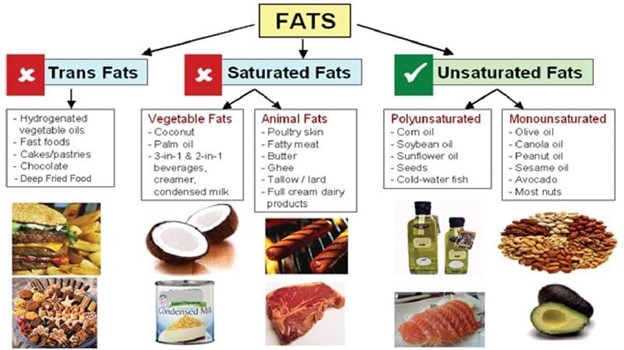
Canola oil: Canola oil is a healthier option when it comes to cooking oils. It is low in saturated fat and high in monounsaturated fat, which is beneficial for heart health. Monounsaturated fats can help lower LDL (bad) cholesterol levels when used in place of saturated fats. Canola oil is a versatile oil that can be used for various cooking methods, including sautéing, baking, and grilling.
Palm oil: Palm oil is high in saturated fat and should be limited or avoided when trying to decrease saturated fats in the diet. High intake of saturated fats can raise LDL cholesterol levels and increase the risk of heart disease.
Peanut oil: Peanut oil is another good option for cooking. It is low in saturated fat and contains a good amount of monounsaturated fat. Using peanut oil in moderation can be a healthier choice compared to oils high in saturated fat.
Stick margarine: Stick margarine is not recommended when trying to decrease saturated fats in the diet. Most stick margarines are high in trans fats, which are even more detrimental to heart health than saturated fats. Trans fats can increase LDL cholesterol levels and decrease HDL (good) cholesterol levels, thereby increasing the risk of heart disease.
Nursing Test Bank
Naxlex Comprehensive Predictor Exams
Related Questions
Correct Answer is B
Explanation
Corn: Corn is a gluten-free grain and can be included in a gluten-free diet for individuals with celiac disease.
Wheat germ: Wheat germ is derived from wheat and contains gluten. Therefore, it should be avoided by individuals with celiac disease.
Salami: Salami is a processed meat product that may contain gluten-containing additives or fillers. Therefore, it is important for individuals with celiac disease to carefully read the ingredient labels of processed meat products or opt for certified gluten-free alternatives.
Barley: Barley is a gluten-containing grain and should be strictly avoided by individuals with celiac disease.
It is important for individuals with celiac disease to carefully read food labels and select gluten-free alternatives. Gluten-containing grains and their derivatives, such as wheat, barley, and wheat germ, should be avoided. Safe alternatives, such as corn, rice, quinoa, and Gluten-free oats, can be included in the diet.
Correct Answer is B
Explanation
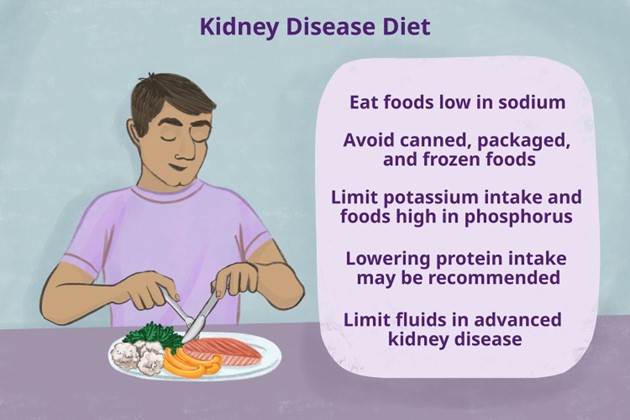
Limiting protein intake is an important dietary modification for clients with chronic kidney disease. High protein intake can increase the workload on the kidneys and lead to further decline in kidney function. Restricting protein intake helps reduce the accumulation of waste products in the blood, such as urea and creatinine, which are normally eliminated by the kidneys. The specific amount of protein restriction will depend on the stage of CKD and the client's individual needs. It is important for the client to work with a registered dietitian who specializes in kidney disease to determine the appropriate protein intake.
Limit calcium intake: Calcium intake does not need to be limited unless there are specific complications related to calcium metabolism, such as hypercalcemia or certain types of kidney stones. Calcium is important for bone health, and adequate intake should be maintained unless otherwise directed by the healthcare provider.
Increase potassium intake: In most cases of chronic kidney disease, potassium intake needs to be limited. Damaged kidneys may have difficulty regulating potassium levels, and high levels of potassium in the blood can be dangerous. The client should be instructed to limit potassium intake and avoid high-potassium foods, such as bananas, oranges, tomatoes, and potatoes, unless specifically advised otherwise by their healthcare provider.
Increase phosphorus intake: Phosphorus intake needs to be restricted in chronic kidney disease, especially in later stages. Elevated levels of phosphorus in the blood can lead to bone and cardiovascular complications. The client should be educated on foods that are high in phosphorus, such as dairy products, nuts, and cola drinks, and instructed to limit their intake
Whether you are a student looking to ace your exams or a practicing nurse seeking to enhance your expertise , our nursing education contents will empower you with the confidence and competence to make a difference in the lives of patients and become a respected leader in the healthcare field.
Visit Naxlex, invest in your future and unlock endless possibilities with our unparalleled nursing education contents today