
A nurse is caring for a client who received radiation therapy to the pelvic area. The client is experiencing chronic diarrhea. Which of the following actions should the nurse take?
Recommend that the client eliminate the intake of carbonated beverages.
Instruct the client to increase consumption of beans.
Provide sugar-free candy for the client between meals.
Encourage the client to drink 4 oz of milk after each loose stool.
The Correct Answer is A
Recommend that the client eliminate the intake of carbonated beverages: Carbonated beverages, such as soda or sparkling water, can exacerbate diarrhea symptoms by increasing gas production and potentially causing abdominal discomfort. Eliminating carbonated beverages can help alleviate symptoms and improve the client's condition.
Instruct the client to increase consumption of beans: While beans are a good source of dietary fiber and can promote regular bowel movements in some individuals, they can also worsen diarrhea in others. Since the client is experiencing chronic diarrhea, increasing consumption of beans may not be advisable as it could contribute to loose stools and increased frequency.
Provide sugar-free candy for the client between meals: Sugar-free candies often contain artificial sweeteners like sorbitol or mannitol, which can have a laxative effect and worsen diarrhea. Offering sugar-free candy may not be helpful and can potentially exacerbate the client's symptoms.
Encourage the client to drink 4 oz of milk after each loose stool: Drinking milk after each loose stool is not recommended for clients experiencing chronic diarrhea. Milk contains lactose, and some individuals may have difficulty digesting it, leading to increased gas production and loose stools. Assessing the client's tolerance to milk and considering lactose-free alternatives, if needed, would be more appropriate.
Nursing Test Bank
Naxlex Comprehensive Predictor Exams
Related Questions
Correct Answer is A
Explanation
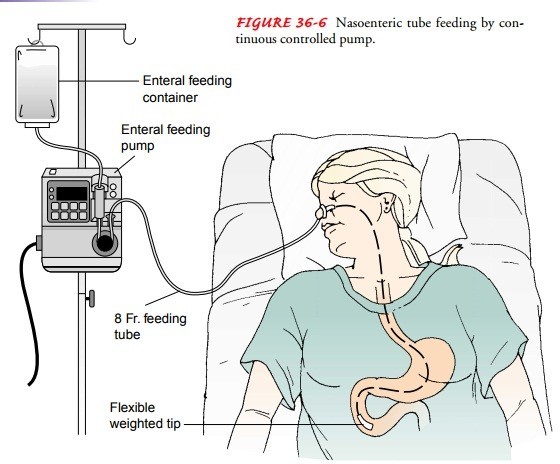
Check for gastric residual: Gastric residual refers to the volume of formula or contents in the stomach before the next feeding. Checking for gastric residual helps determine if the client is tolerating the feeding properly. If the gastric residual is high, it may indicate delayed gastric emptying or intolerance to the feeding, which can lead to cramping and abdominal distention. The nurse can assess the gastric residual volume and consult with the healthcare provider to determine the appropriate course of action.
Apply low intermittent suction: Applying low intermittent suction is not typically indicated for a client receiving a continuous enteral tube feeding. Suction is more commonly used for clients who have an aspiration risk or need intermittent gastric decompression. In the given scenario, the client is experiencing cramping and abdominal distention, which may require a different approach.
Request a higher-fat formula: Requesting a higher-fat formula may not be the appropriate action at this time. High-fat formulas can contribute to gastrointestinal issues such as increased risk of diarrhea or malabsorption. It is important to assess the client's tolerance to the current formula before considering changes.
Increase the rate of the feeding: Increasing the rate of the feeding may worsen the client's symptoms. Rapid administration of enteral feedings can overwhelm the gastrointestinal system and lead to complications such as cramping, distention, and diarrhea. It is generally recommended to start at a low rate and gradually increase it based on the client's tolerance.
Correct Answer is A
Explanation
According to some sources, behavioral modifications for weight loss include:
● Keeping a food journal to track your intake and identify patterns
● Eating smaller portions and using smaller plates
● Filling half of your plate with fruits and vegetables
● Getting plenty of sleep and drinking fluids
● Eating slowly and consciously
● Eating breakfast every day
● Avoiding high-calorie add-ons such as cream, butter, mayonnaise and salad dressings
● Not eating while watching television, reading, working or doing other activities
● Planning healthy snacks and meals in advance and bringing them to work
● Replacing eating with another activity that you will not associate with food
Based on these suggestions, the statement that the nurse should include in the teaching is “Make sure to drink water with your meals.” This can help you feel full and hydrated, and reduce your calorie intake from other beverages.
The other statements are either false or not related to behavioral modifications. For example:
● Your biggest meal of the day should be breakfast. This is not a behavioral modification, but a dietary recommendation that may vary depending on your preferences and needs.
● Meal replacement shakes can cause weight gain. This is not a behavioral modification, but a claim that is not supported by evidence. Meal replacement shakes can be part of a weight loss plan if they are used appropriately and provide adequate nutrition.
● Set your weight loss goal to 2.5 pounds per week. This is not a behavioral modification, but a goal that may be unrealistic or unhealthy for some people. A more reasonable goal is to lose 1 to 2 pounds per week.
Whether you are a student looking to ace your exams or a practicing nurse seeking to enhance your expertise , our nursing education contents will empower you with the confidence and competence to make a difference in the lives of patients and become a respected leader in the healthcare field.
Visit Naxlex, invest in your future and unlock endless possibilities with our unparalleled nursing education contents today