
A nurse is selecting food items for a client who follows a lacto-vegetarian diet. Which of the following foods should the nurse include in the meals?
Shrimp
Hamburger
Cheese
Eggs
The Correct Answer is C
A lacto-vegetarian diet is a type of vegetarianism that excludes meat, poultry, seafood, and eggs, but includes dairy products, such as milk, cheese, and yogurt. Therefore, the foods that the nurse should include in the meals for a client who follows a lacto-vegetarian diet are cheese and yogurt.
Shrimp and hamburger are not suitable for a lacto-vegetarian diet because they are animal flesh.
Eggs are also not allowed because they are animal products.
Nursing Test Bank
Naxlex Comprehensive Predictor Exams
Related Questions
Correct Answer is A
Explanation
Celiac disease is an autoimmune disorder in which the ingestion of gluten, a protein found in wheat, rye, and barley, triggers an immune response and causes damage to the small intestine. Therefore, individuals with celiac disease need to follow a strict gluten-free diet.
Rice cereal with sliced bananas: This is a suitable choice as long as the rice cereal is gluten-free and there is no cross-contamination with gluten-containing ingredients. Rice is
naturally gluten-free, and fresh fruits like bananas are safe for individuals with celiac disease.
Rye toast with herbal tea: Rye is a gluten-containing grain, so rye toast is not suitable for someone with celiac disease. Herbal tea is typically gluten-free, but the toast is not appropriate.
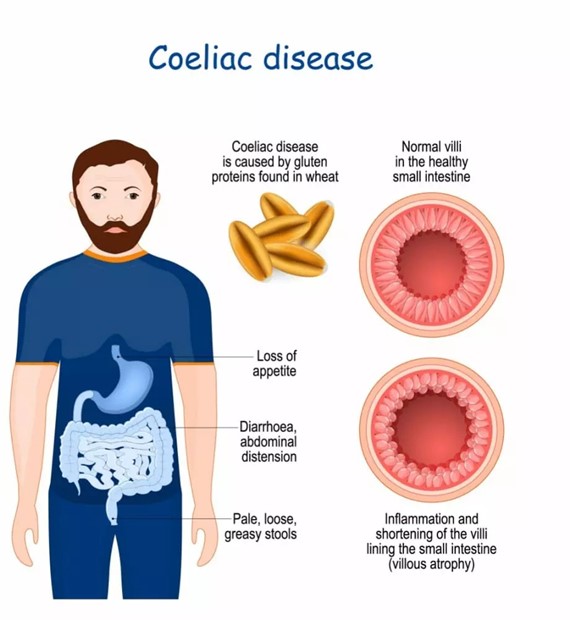
Graham crackers with peanut butter: Graham crackers are usually made with wheat flour, which contains gluten. Therefore, they are not suitable for someone with celiac disease.
Poached eggs with wheat bagel: Wheat is a gluten-containing grain, so a wheat bagel is not appropriate for someone with celiac disease.
It is essential for individuals with celiac disease to carefully read food labels and select gluten-free options.
Correct Answer is A
Explanation
Omega-3 fatty acids, specifically eicosapentaenoic acid (EPA) and docosahexaenoic acid (DHA), are mainly found in fatty fish. Since vegans avoid animal products, they may not consume adequate amounts of EPA and DHA. Plant-based sources of omega-3 fatty acids, such as flaxseeds, chia seeds, and walnuts, provide a different type of omega-3 called
alpha-linolenic acid (ALA), which can be converted to EPA and DHA in the body to some extent. However, this conversion is not very efficient, and the amount of EPA and DHA obtained from plant-based sources may be insufficient to meet the body's needs. Therefore, vegan individuals are at greater risk of omega-3 fatty acid deficiency.
Magnesium, potassium, and vitamin A deficiencies are not specifically associated with a vegan diet. These nutrients can be obtained from various plant-based sources. Magnesium can be found in foods such as legumes, nuts, seeds, whole grains, and leafy green vegetables.
Potassium is abundant in fruits, vegetables, legumes, and whole grains.
Vitamin A can be obtained from plant-based sources like carrots, sweet potatoes, spinach, and other dark leafy greens. However, it is important for individuals following a vegan diet to ensure they consume a varied and balanced diet to meet their nutritional needs for these and other essential nutrients.
Whether you are a student looking to ace your exams or a practicing nurse seeking to enhance your expertise , our nursing education contents will empower you with the confidence and competence to make a difference in the lives of patients and become a respected leader in the healthcare field.
Visit Naxlex, invest in your future and unlock endless possibilities with our unparalleled nursing education contents today