
A nurse is reviewing a client's laboratory results for effectiveness of total parenteral nutrition (TPN). Which of the following laboratory values is the best indicator for the nurse to monitor for short-term effectiveness of the TPN?
Hemoglobin
Total albumin
Transferrin
Prealbumin
The Correct Answer is D
Prealbumin (also known as transthyretin): Prealbumin is a protein synthesized in the liver and has a shorter half-life compared to albumin. It is considered a more sensitive marker for
short-term nutritional changes and can reflect the effectiveness of TPN within a few days.
Prealbumin levels can indicate the response to nutritional interventions and provide a more immediate assessment of nutritional adequacy.
Hemoglobin: Hemoglobin is a measure of the oxygen-carrying capacity of red blood cells and is typically used to assess anemia. While hemoglobin can be affected by nutritional status, it is not a specific marker for the short-term effectiveness of TPN.
Total albumin: Total albumin is a measure of protein status and can be affected by various factors, including inflammation and liver disease. However, it has a longer half-life and slower response to nutritional changes, so it may not be the best indicator for short-term effectiveness.
Transferrin: Transferrin is a protein involved in iron transport and can be used as an indicator of iron status. However, it may not reflect short-term changes in nutritional status and is not specific to TPN effectiveness.
Monitoring prealbumin levels can help determine the short-term effectiveness of TPN and guide adjustments to the nutritional plan.
Nursing Test Bank
Naxlex Comprehensive Predictor Exams
Related Questions
Correct Answer is A
Explanation
Celiac disease is an autoimmune disorder in which the ingestion of gluten, a protein found in wheat, rye, and barley, triggers an immune response and causes damage to the small intestine. Therefore, individuals with celiac disease need to follow a strict gluten-free diet.
Rice cereal with sliced bananas: This is a suitable choice as long as the rice cereal is gluten-free and there is no cross-contamination with gluten-containing ingredients. Rice is
naturally gluten-free, and fresh fruits like bananas are safe for individuals with celiac disease.
Rye toast with herbal tea: Rye is a gluten-containing grain, so rye toast is not suitable for someone with celiac disease. Herbal tea is typically gluten-free, but the toast is not appropriate.
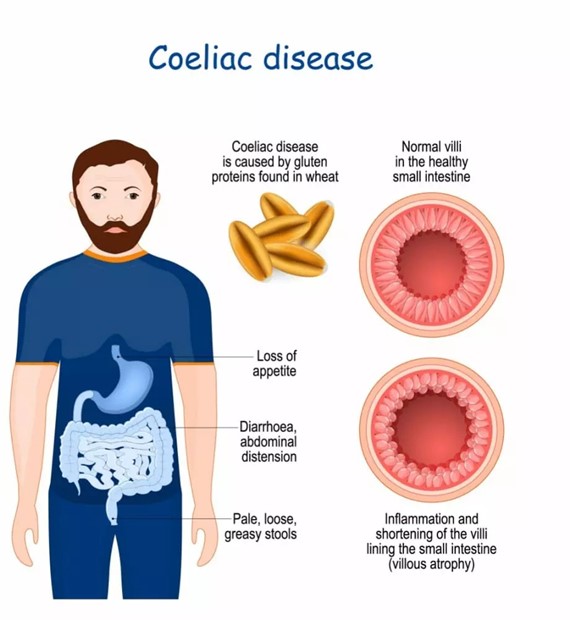
Graham crackers with peanut butter: Graham crackers are usually made with wheat flour, which contains gluten. Therefore, they are not suitable for someone with celiac disease.
Poached eggs with wheat bagel: Wheat is a gluten-containing grain, so a wheat bagel is not appropriate for someone with celiac disease.
It is essential for individuals with celiac disease to carefully read food labels and select gluten-free options.
Correct Answer is C
Explanation
A) Drinking iced tea with meals can increase the amount of iron absorbed.
- This statement is not correct. Drinking iced tea, especially black tea, can inhibit the absorption of iron. It contains compounds that interfere with the body's ability to absorb non-heme iron, which is found in plant-based foods and supplements. Therefore, this information is not accurate and should not be included in the teaching.
B) Drinking orange juice with iron supplements can decrease absorption.
- This statement is not correct either. In fact, drinking orange juice with iron supplements can enhance iron absorption. This is because orange juice is a good source of vitamin C, which helps the body absorb non-heme iron more effectively. So, this information is inaccurate and should not be included in the teaching.
C) Fish and poultry are primary sources of heme iron.
- This statement is correct. Heme iron is found in animal-based sources like fish and poultry, and it is more readily absorbed by the body compared to non-heme iron from plant-based sources.
D) Cooking in a stainless steel skillet increases the amount of iron in the food.
- This statement is not accurate. Cooking in a stainless steel skillet does not significantly increase the iron content in food. The type of iron in the skillet is not the same as the dietary iron, and it doesn't transfer in significant amounts to the food being cooked. Therefore, this information is not correct and should not be included in the teaching.
So, the nurse should include the information from option C, which is accurate: "Fish and poultry are primary sources of heme iron." Options A, B, and D contain inaccurate information and should be avoided in the teaching to ensure the client receives correct guidance for managing iron deficiency anemia.
Whether you are a student looking to ace your exams or a practicing nurse seeking to enhance your expertise , our nursing education contents will empower you with the confidence and competence to make a difference in the lives of patients and become a respected leader in the healthcare field.
Visit Naxlex, invest in your future and unlock endless possibilities with our unparalleled nursing education contents today