
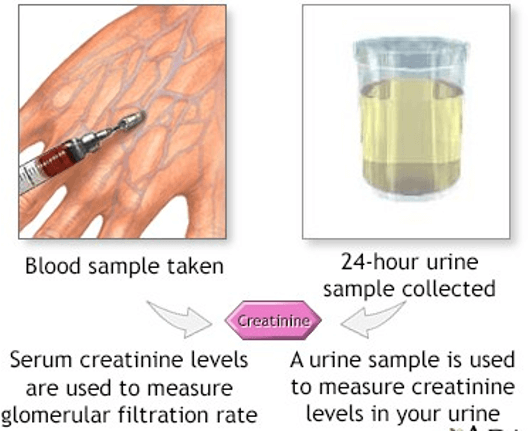
A nurse is reinforcing teaching with a client who has diabetes mellitus about a 24-hour creatinine clearance test.
Which of the following statements should the nurse include in the teaching?
You should eat a protein-rich diet during the collection period.
You should record your blood glucose level each time you void.
You can begin collection of urine after discarding your first morning void.
You can cleanse your perineal area with an antiseptic towel each time before you void.
The Correct Answer is C
C, "You can begin collection of urine after discarding your first morning void."
A 24-hour creatinine clearance test is used to evaluate how well the kidneys are functioning by measuring the amount of creatinine in the blood and urine over a 24-hour period. During the test, the client is asked to discard their first morning void and then collect all urine for the next 24 hours.
Option A is incorrect because a protein-rich diet can affect the creatinine levels in the urine, which can result in inaccurate test results. Therefore, the nurse should advise the client to avoid a protein-rich diet during the collection period.
Option B is incorrect because blood glucose levels are not relevant to a 24-hour creatinine clearance test. Therefore, the nurse should not ask the client to record their blood glucose level each time they void.
Option D is incorrect because using an antiseptic towel to cleanse the perineal area can also affect the test results by introducing contaminants into the urine sample. Therefore, the nurse should advise the client to cleanse the perineal area with soap and water or an alcohol wipe.
Nursing Test Bank
Naxlex Comprehensive Predictor Exams
Related Questions
Correct Answer is A
Explanation
Whenever a medication error occurs, it should be documented in an incident report. The purpose of the incident report is to document the details of the event, including what happened, why it happened, and what was done to prevent it from happening again. Incident reports are not part of the client's medical record and are not used for disciplinary action. They are used for quality improvement and risk management purposes.
The nursing care plan is a document that outlines the client's nursing care needs and interventions. It is not the appropriate place to document a medication error.
The controlled substance inventory record is used to document the administration and dispensing of controlled substances. It is not the appropriate place to document a medication error.
The provider's progress notes document the provider's assessment, diagnosis, and treatment plan for the client. They are not the appropriate place to document a medication error.
Correct Answer is A
Explanation
As a nurse, it is important to respect the client's autonomy and right to make decisions about their own care. The decision to stop dialysis treatment is a personal one and should be respected by the healthcare team. The nurse should support the client's decision and provide information and resources to help the client manage symptoms and maintain comfort during the end-of-life process. It is not appropriate for the nurse to suggest that the client discuss the decision with her family or discuss alternative treatment methods, as these decisions should be made by the client in conjunction with their healthcare provider. It may be appropriate to offer spiritual or emotional support to the client, but this should be based on the client's preferences and not imposed upon them by the healthcare team.
Whether you are a student looking to ace your exams or a practicing nurse seeking to enhance your expertise , our nursing education contents will empower you with the confidence and competence to make a difference in the lives of patients and become a respected leader in the healthcare field.
Visit Naxlex, invest in your future and unlock endless possibilities with our unparalleled nursing education contents today