
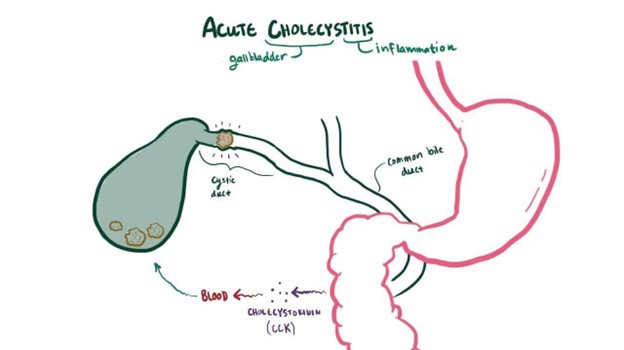
A nurse is reinforcing teaching with a client who has cholecystitis about required dietary modifications. Which of the following food choices should the nurse inform the client to include in his diet?
Ice cream
Blueberry muffin
Macaroni and cheese
Roast turkey
The Correct Answer is D
Choice A Reason: Ice cream is not a good food choice for a client who has cholecystitis, as it is high in fat and may trigger gallbladder pain or inflammation.
Choice B Reason: Blueberry muffin is not a good food choice for a client who has cholecystitis, as it may contain butter, oil, or eggs that are high in fat and may aggravate gallbladder symptoms.
Choice C Reason: Macaroni and cheese is not a good food choice for a client who has cholecystitis, as it is high in fat and cholesterol and may cause gallstone formation or obstruction.
Choice D Reason: Roast turkey is a good food choice for a client who has cholecystitis, as it is low in fat and high in protein and may help to prevent gallbladder attacks.
Nursing Test Bank
Naxlex Comprehensive Predictor Exams
Related Questions
Correct Answer is A
Explanation
Choice A Reason: Buffalo hump and moon face are physical assessment findings that the nurse would expect to observe in a client with Cushing's syndrome, as they indicate fat redistribution and accumulation due to excess cortisol production.
Choice B Reason: Dry, scaly skin and cold intolerance are not physical assessment findings that the nurse would expect to observe in a client with Cushing's syndrome, but they may indicate hypothyroidism, which affects the metabolism and skin condition.
Choice C Reason: Dry, sticky mucous membranes and hypovolemia are not physical assessment findings that the nurse would expect to observe in a client with Cushing's syndrome, but they may indicate dehydration or diabetes insipidus, which affect the fluid balance and urine output.
Choice D Reason: Exophthalmos and tachycardia are not physical assessment findings that the nurse would expect to observe in a client with Cushing's syndrome, but they may indicate hyperthyroidism, which affects the eye protrusion and heart rate.
Correct Answer is D
Explanation
Choice A Reason: N0 does not indicate presence of regional lymph node involvement, but absence of it. N1 to N3 indicate increasing degrees of regional lymph node involvement.
Choice B Reason: TIS does not indicate that a tumor has been resolved, but that it is in situ, meaning that it is confined to the original site and has not invaded deeper tissues.
Choice C Reason: T4 does not indicate a tumor at its smallest size, but at its largest size. T1 to T4 indicate increasing sizes or extents of the primary tumor.
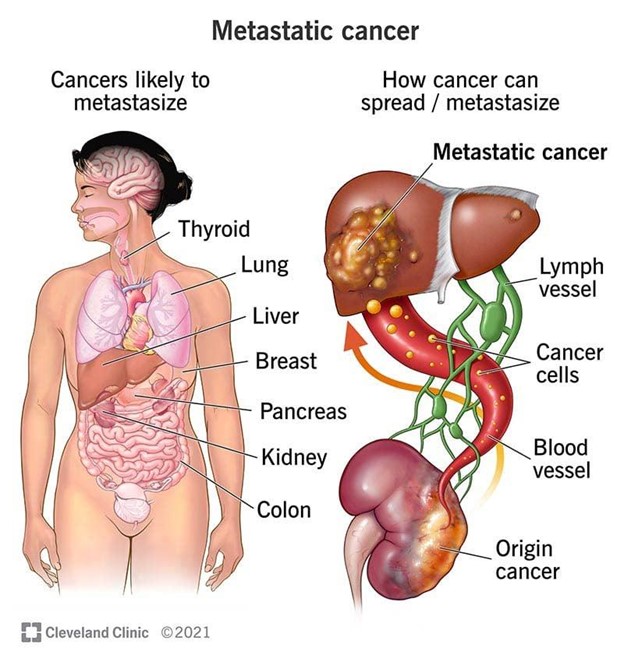
Choice D Reason: M1 indicates tumor metastasis to a single site, meaning that the cancer has spread to another organ or distant lymph node. M0 indicates no distant metastasis.
Whether you are a student looking to ace your exams or a practicing nurse seeking to enhance your expertise , our nursing education contents will empower you with the confidence and competence to make a difference in the lives of patients and become a respected leader in the healthcare field.
Visit Naxlex, invest in your future and unlock endless possibilities with our unparalleled nursing education contents today