
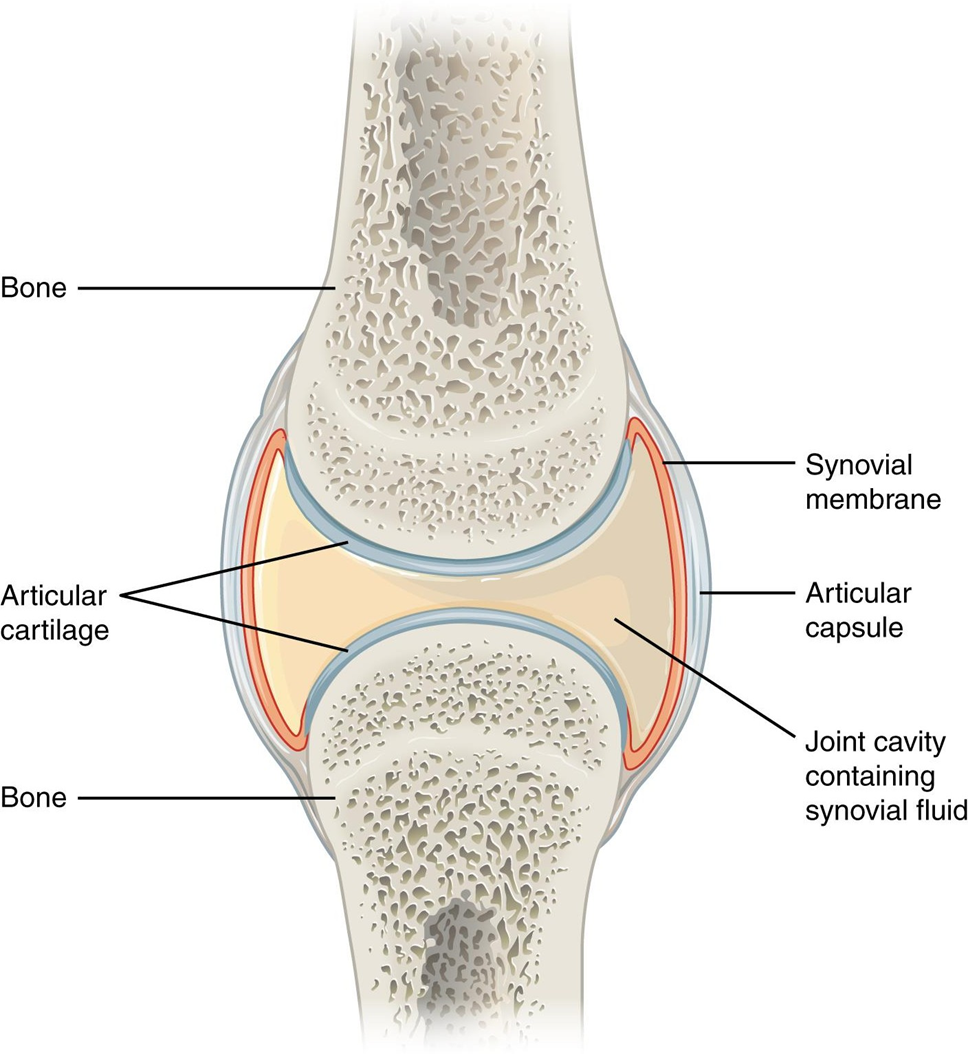
A nurse is reinforcing teaching with a client about the musculoskeletal system. The nurse should include that which of the following is a fluid filled capsule that enables movement and flexibility?
Tendons
Cartilage
Ligaments
Synovial joints
Place breaks on the clients’ wheelchairs.
The Correct Answer is D
A) Connect muscles to bones and aid in movement but are not fluid-filled capsules.
B) Provides cushioning between bones and aids in smooth movement but is not fluid- filled.
C) Connect bones to other bones and provide stability but are not fluid-filled capsules.
D) Synovial joints are surrounded by a fluid-filled capsule called the synovial membrane, which lubricates the joint and enables movement and flexibility.
Nursing Test Bank
Naxlex Comprehensive Predictor Exams
Related Questions
Correct Answer is B
Explanation
A) Passive range of motion exercises do not directly increase muscle mass.
B) Passive range of motion exercises aim to maintain or improve joint flexibility and prevent contractures in clients who are unable to move independently.
C) Passive range of motion exercises do not directly impact bone density.
D) Passive range of motion exercises do not directly increase muscle strength.
Correct Answer is D
Explanation
A) While calcium is involved in joint health, it is not stored in synovial joints.
B) Red bone marrow is primarily responsible for producing blood cells, not storing calcium.
C) Tendons are primarily composed of collagen and do not store calcium.
D) Calcium is primarily stored in bones, where it provides structural support and plays a crucial role in bone density.
Whether you are a student looking to ace your exams or a practicing nurse seeking to enhance your expertise , our nursing education contents will empower you with the confidence and competence to make a difference in the lives of patients and become a respected leader in the healthcare field.
Visit Naxlex, invest in your future and unlock endless possibilities with our unparalleled nursing education contents today