
A nurse is providing teaching about increasing dietary fiber to an antepartum client who reports constipation.
Which of the following food selections has the highest fiber content per cup?
Cabbage.
Oatmeal.
Asparagus.
Lentils.
The Correct Answer is D
According to Mayo Clinic, one cup of boiled lentils contains 15.5 grams of fiber.

Choice A is not the answer because cabbage was not mentioned in the search results.
Choice B is not the answer because one cup of cooked oatmeal contains 5 grams of fiber.
Choice C is not the answer because half a cup of boiled asparagus contains 4 grams of fiber.
Nursing Test Bank
Naxlex Comprehensive Predictor Exams
Related Questions
Correct Answer is D
Explanation
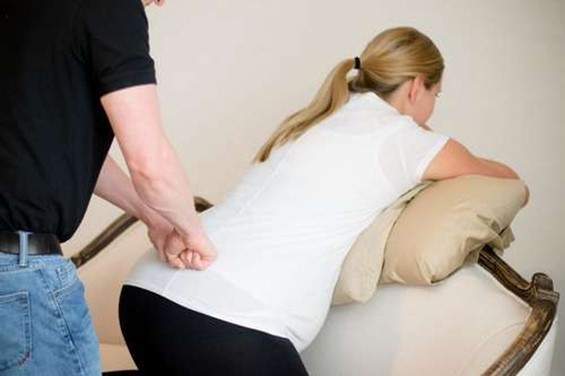
Answer: D
Rationale:
(A) "Your partner will apply continuous, firm pressure between your thumb and index finger": This statement is not appropriate for describing counterpressure during labor. Counterpressure typically involves applying pressure to areas such as the lower back or sacrum, not between the thumb and index finger.
(B) "Your partner will apply pressure to the top of your uterus during contractions": This statement is not appropriate. Applying pressure to the top of the uterus during contractions could be harmful and is not recommended as a counterpressure technique during labor. Counterpressure is generally applied to the lower back or hips to alleviate pain.
(C) "Your partner will apply steady pressure with a tennis ball to your finger": This statement is not correct. Counterpressure during labor involves applying pressure to the lower back or hips, not to the fingers. A tennis ball may be used, but it is applied to the lower back or sacral area, not the fingers.
(D) "Your partner will apply upward pressure on you": This statement is appropriate. During labor, counterpressure is often applied by the partner to the lower back or hips, pressing upward or in a direction that helps alleviate the pain caused by contractions, particularly in cases of back labor. This technique can help relieve discomfort by counteracting the pressure from the baby's head against the mother's spine.
Correct Answer is C
Explanation
A newborn who is 10 hr old and has onset tachypnea.
Tachypnea means rapid breathing and can be a sign of respiratory distress.
Transient tachypnea of the newborn (TTN) is a respiratory disorder usually seen shortly after delivery in babies who are born near or at term.
It is important for the nurse to assess this newborn first to determine the cause of the tachypnea and provide appropriate care.

Choice A, a newborn who is 24 hr old and has not had a meconium stool, may
require further assessment but is not as urgent as a newborn with tachypnea.
Choice B, a newborn who has a short frenulum and is having difficulty breastfeeding, may require assistance with feeding but is not as urgent as a newborn with tachypnea.
Choice D, a newborn who is 30 hr old and has blood-tinged discharge in her diaper, may have pseudomenstruation which is normal and not a cause for concern.
Whether you are a student looking to ace your exams or a practicing nurse seeking to enhance your expertise , our nursing education contents will empower you with the confidence and competence to make a difference in the lives of patients and become a respected leader in the healthcare field.
Visit Naxlex, invest in your future and unlock endless possibilities with our unparalleled nursing education contents today