
A nurse is reviewing the laboratory results of a newborn.
Which of the following findings should the nurse report to the provider?
Platelets 100,000/mm
Hematocrit 48%
Blood glucose 58 mg/dl.
Hemoglobin 16 g/dL.
The Correct Answer is A
Thrombocytopenia is defined as a platelet count of less than 150,000/microL1.
Severe neonatal thrombocytopenia (platelet count <50,000/microL) can be associated with bleeding and potentially significant morbidity.
As a result, it is important to identify at-risk neonates and report low platelet counts to the provider.
Choice B is incorrect because a hematocrit of 48% is within the normal range for a newborn.
Choice C is incorrect because a blood glucose level of 58 mg/dl is within the normal range for a newborn.
Choice D is incorrect because a hemoglobin level of 16 g/dL is within the normal range for a newborn.
Nursing Test Bank
Naxlex Comprehensive Predictor Exams
Related Questions
Correct Answer is B
Explanation
A client who is 80% effaced and 8 cm dilated is in active labor and at risk for postpartum hemorrhage.
Choice A is not an answer because ectopic pregnancy occurs when a fertilized egg implants outside of the uterus and is not a risk for a client who is in active labor.
Choice C is not an answer because an incompetent cervix refers to a cervix that dilates prematurely during pregnancy and is not a risk for a client who is in active labor.
Choice D is not an answer because hyperemesis gravidarum refers to severe nausea and vomiting during pregnancy and is not a risk for a client who is in active labor.
Correct Answer is A
Explanation
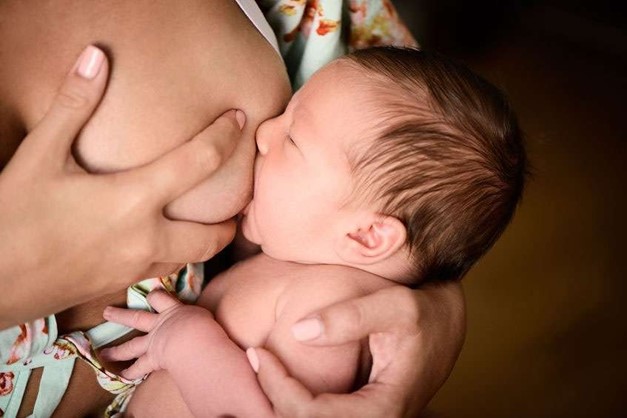
A bedside glucometer reading of 65 mg/dL is within the normal range for a newborn who is 6 hours old.
Feeding the newborn can help maintain their blood glucose level.
Choice B is not an answer because administering 50 mL of dextrose solution IV is not necessary for a newborn with a normal blood glucose level.
Choice C is not an answer because reassessing the blood glucose level prior to the next feeding is not necessary for a newborn with a normal blood glucose level.
Choice D is not an answer because obtaining a blood sample for a serum glucose
level is not necessary for a newborn with a normal blood glucose level.
Whether you are a student looking to ace your exams or a practicing nurse seeking to enhance your expertise , our nursing education contents will empower you with the confidence and competence to make a difference in the lives of patients and become a respected leader in the healthcare field.
Visit Naxlex, invest in your future and unlock endless possibilities with our unparalleled nursing education contents today