
A nurse is providing discharge teaching to the mother of a newborn who is breastfeeding.
Which of the following statements should the nurse make?
"Newborns typically lose about 15 percent of their body weight following birth."
"You should keep your baby on a strict feeding schedule."
"You should consume an extra 650 calories a day while breastfeeding."
"Offer your baby a pacifier before sleep when he is 1 month old.".
"Offer your baby a pacifier before sleep when he is 1 month old.".
The Correct Answer is C
Choice A rationale:
Newborns typically lose some weight after birth, but 15 percent loss would be excessive and concerning. A normal weight loss range is about 5 to 10 percent.
Choice B rationale:
Newborns should be fed on demand rather than adhering to strict schedules to ensure they are adequately nourished.
Choice C rationale:
Breastfeeding requires additional energy, and mothers are generally advised to consume around 500 extra calories a day to support milk production and their own energy needs.
Choice D rationale:
Offering a pacifier before sleep can reduce the risk of sudden infant death syndrome (SIDS), but this recommendation usually starts at around 1 to 2 months of age.
Nursing Test Bank
Naxlex Comprehensive Predictor Exams
Related Questions
Correct Answer is B
Explanation
Choice A rationale:
Administering corticosteroids is relevant for clients at risk of preterm labor, not specifically for placenta previa.
Choice B rationale:
Placenta previa can lead to bleeding and potential fetal distress. Continuous monitoring of fetal heart rate (FHR) and uterine contractions is essential to promptly identify any signs of distress.
Choice C rationale:
Terbutaline is a tocolytic medication used to suppress uterine contractions, and it's not relevant for managing uterine atony associated with placenta previa.
Choice D rationale:
Performing a vaginal exam can further increase the risk of bleeding in cases of placenta previa and is generally contraindicated due to the risk of disturbing the placental site.
Correct Answer is B
Explanation
Choice A rationale
Omeprazole is a proton pump inhibitor used to reduce stomach acid production and is not typically used for treating bloody stools in inflammatory bowel disease.
Choice B rationale:
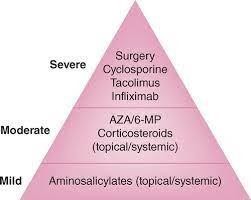
Infliximab is used to treat inflammatory bowel disease and can help manage symptoms such as bloody stools by suppressing the inflammatory response.
Choice C rationale:
Ondansetron is an antiemetic used for nausea and vomiting, not related to bloody stools.
Choice D rationale:
Metoclopramide is used to treat nausea, vomiting, and gastrointestinal motility disorders, not specifically indicated for bloody stools.
Whether you are a student looking to ace your exams or a practicing nurse seeking to enhance your expertise , our nursing education contents will empower you with the confidence and competence to make a difference in the lives of patients and become a respected leader in the healthcare field.
Visit Naxlex, invest in your future and unlock endless possibilities with our unparalleled nursing education contents today