
A nurse is providing dietary teaching to a client newly diagnosed with celiac disease. Which of the following information should the nurse include in the teaching?
Dietary restrictions will eventually allow the intake of gluten to resume.
This condition may cause secondary lactose intolerance.
Nutritional therapy for this condition includes limiting proteins and calories.
A normal diet can resume after a period of remission.
The Correct Answer is B
Choice A reason: Dietary restrictions will not eventually allow the intake of gluten to resume. Gluten is a protein found in wheat, barley, rye, and some oats. It causes damage to the small intestine in people with celiac disease. The only treatment for celiac disease is a lifelong gluten-free diet.
Choice B reason: This condition may cause secondary lactose intolerance. Lactose is a sugar found in milk and dairy products. It is broken down by an enzyme called lactase in the small intestine. People with celiac disease may have reduced levels of lactase due to the damage to the small intestine caused by gluten. This can lead to lactose intolerance, which is the inability to digest lactose properly. Symptoms of lactose intolerance include bloating, gas, diarrhea, and abdominal pain after consuming dairy products.
Choice C reason: Nutritional therapy for this condition does not include limiting proteins and calories. People with celiac disease need adequate amounts of proteins and calories to maintain their health and prevent malnutrition. They also need to ensure that they get enough vitamins, minerals, and fiber from gluten-free sources.
Choice D reason: A normal diet cannot resume after a period of remission. Celiac disease is a chronic autoimmune disorder that does not have a cure. Even if the symptoms improve or disappear, the damage to the small intestine can still occur if gluten is consumed. Therefore, a strict gluten-free diet must be followed for life.
Nursing Test Bank
Naxlex Comprehensive Predictor Exams
Related Questions
Correct Answer is C
Explanation
Choice A reason: Thawing frozen meat on the counter is not a good practice for food poisoning prevention because it can allow bacteria to grow rapidly on the surface of the meat. Thawing frozen meat should be done in the refrigerator, in cold water, or in the microwave.
Choice B reason: Reusing leftover marinade as sauce is not a good practice for food poisoning prevention because it can contaminate cooked food with raw meat juices that may contain bacteria. Leftover marinade should be discarded or boiled for at least one minute before using as sauce.
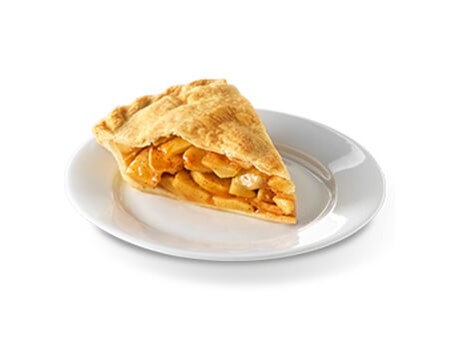
Choice C reason: Apple pie is a good choice for food poisoning prevention because it is unlikely to contain harmful bacteria or toxins. Apple pie is made from cooked apples, sugar, flour, and butter, which are low-risk ingredients for food poisoning. Apple pie should be stored in the refrigerator or freezer after cooling to prevent spoilage.
Choice D reason: Cooked rice is not a good choice for food poisoning prevention because it can harbor a bacterium called Bacillus cereus, which can produce toxins that cause vomiting and diarrhea. Cooked rice should be cooled quickly and stored in the refrigerator for no more than one day or in the freezer for longer periods. Cooked rice should be reheated thoroughly before eating.
Correct Answer is C
Explanation
Choice A reason: Dilute formula with 1 tablespoon of water is not a correct instruction for GER. Diluting formula can reduce the nutritional value and increase the volume of the feedings, which can worsen GER symptoms and cause dehydration and malnutrition.
Choice B reason: Place the newborn in a side-lying position if vomiting is not a correct instruction for GER. This position can increase the risk of aspiration, which is the inhalation of vomit into the lungs. Aspiration can cause pneumonia, respiratory distress, and death.
Choice C reason: Position the newborn at a 20-degree angle after feeding is a correct instruction for GER. This position can help prevent reflux by using gravity to keep the stomach contents down. The newborn should be kept upright for at least 30 minutes after each feeding.
Choice D reason: Provide a small feeding just before bedtime is not a correct instruction for GER. This can increase the likelihood of reflux during sleep, as the stomach will be full and prone to regurgitation. The last feeding should be given at least 2 to 3 hours before bedtime.
Whether you are a student looking to ace your exams or a practicing nurse seeking to enhance your expertise , our nursing education contents will empower you with the confidence and competence to make a difference in the lives of patients and become a respected leader in the healthcare field.
Visit Naxlex, invest in your future and unlock endless possibilities with our unparalleled nursing education contents today