
A nurse is teaching a group of clients about dietary needs to prevent osteoporosis. Which of the following dietary choices should the nurse recommend as having the highest calcium content?
1 cup green grapes
One medium banana
1 cup broccoli
One large tomato
The Correct Answer is C
Choice A reason: 1 cup green grapes has about 15 mg of calcium, which is low compared to other foods. Green grapes are also a good source of vitamin C, potassium, and antioxidants.
Choice B reason: One medium banana has about 6 mg of calcium, which is very low compared to other foods. Banana is also a good source of potassium, fiber, and vitamin B6.
Choice C reason: 1 cup broccoli has about 180 mg of calcium, which is high compared to other foods. Broccoli is also a good source of vitamin C, folate, and antioxidants.
Choice D reason: One large tomato has about 18 mg of calcium, which is low compared to other foods. Tomato is also a good source of vitamin C, lycopene, and potassium.
Nursing Test Bank
Naxlex Comprehensive Predictor Exams
Related Questions
Correct Answer is D
Explanation
Choice A reason: The client's creatinine level of 1.0 mg/dL is within the normal range, but it does not indicate that the treatment for benign prostatic hyperplasia has been effective. Creatinine is a waste product of muscle metabolism that is filtered by the kidneys and excreted in urine. It reflects the kidney function, not the prostate condition.
Choice B reason: The client's urine output of 35 mL/hr is below the normal range, which is 40 to 60 mL/hr. This indicates that the client may have dehydration, kidney impairment, or urinary retention, which are complications of benign prostatic hyperplasia. A low urine output does not indicate that the treatment has been effective.
Choice C reason: The client's stool color and consistency are not related to the treatment for benign prostatic hyperplasia. Stool characteristics depend on various factors, such as diet, medication, and bowel function. A soft, brown stool does not indicate that the treatment has been effective.
Choice D reason: The client's ability to urinate without straining is a sign that the treatment for benign prostatic hyperplasia has been effective. Benign prostatic hyperplasia is a condition in which the prostate gland enlarges and compresses the urethra, causing difficulty in urination. A treatment that reduces the size of the prostate or relaxes the bladder neck muscles can improve the urine flow and reduce the straining.
Correct Answer is B
Explanation
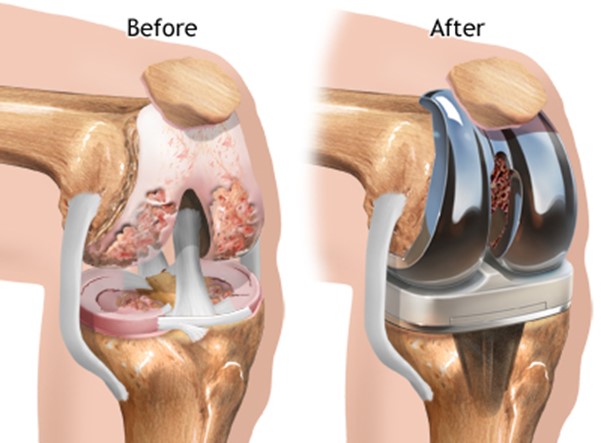
Choice A reason: Applying ice packs for 15 minutes every hour is not an effective intervention for managing edema following knee replacement surgery because it can impair blood circulation and delay healing. Ice packs can also cause frostbite or nerve damage if applied for too long or too frequently. Ice packs should be used only for the first 24 to 48 hours after surgery and with a cloth barrier between the skin and the ice.
Choice B reason: Elevating the affected leg above the heart level is an effective intervention for managing edema following knee replacement surgery because it can reduce swelling and pain by facilitating venous return and lymphatic drainage. Elevation can also prevent blood clots and infection by improving blood flow and oxygen delivery to the wound site.
Choice C reason: Consuming nutrition-dense foods first is not a relevant intervention for managing edema following knee replacement surgery because it does not directly affect fluid balance or wound healing. Nutrition-dense foods are those that provide high amounts of nutrients per serving, such as eggs, cheese, nuts, beans, and meat. Nutrition-dense foods are important for overall health, but not specifically for edema management.
Choice D reason: Wearing compression stockings during the day is not a recommended intervention for managing edema following knee replacement surgery because it can interfere with wound healing and increase the risk of infection. Compression stockings can also cause skin irritation, blisters, or ulcers if worn incorrectly or too tightly. Compression stockings should be avoided until the wound is fully healed and only used under medical supervision.
Whether you are a student looking to ace your exams or a practicing nurse seeking to enhance your expertise , our nursing education contents will empower you with the confidence and competence to make a difference in the lives of patients and become a respected leader in the healthcare field.
Visit Naxlex, invest in your future and unlock endless possibilities with our unparalleled nursing education contents today