
A nurse is preparing to reposition a client. Which of the following actions should the nurse take first?
Place their feet in line with their shoulders.
Pivot their feet in the direction of the move.
Raise the height of the client's bed.
Tighten their abdominal muscles.
The Correct Answer is C
A) This is part of proper body mechanics but not the first action when repositioning a client.
B) Proper body mechanics involve pivoting rather than twisting the spine but is not the first action when repositioning a client.
C) Adjusting the bed height ensures the nurse is working at an optimal level to prevent strain during the repositioning process.
D) Engaging core muscles is important for stability during lifting and repositioning but is not the first action to take.
Nursing Test Bank
Naxlex Comprehensive Predictor Exams
Related Questions
Correct Answer is C
Explanation
A) The lens tends to become less flexible with age, affecting accommodation.
B) The lens may become thicker with age, contributing to presbyopia.
C) Age-related changes such as decreased pupil size and changes in visual acuity can lead to reduced depth perception.
D) Aging can lead to decreased muscle tone, including in the eye muscles, which may affect accommodation and focus.
Correct Answer is B
Explanation
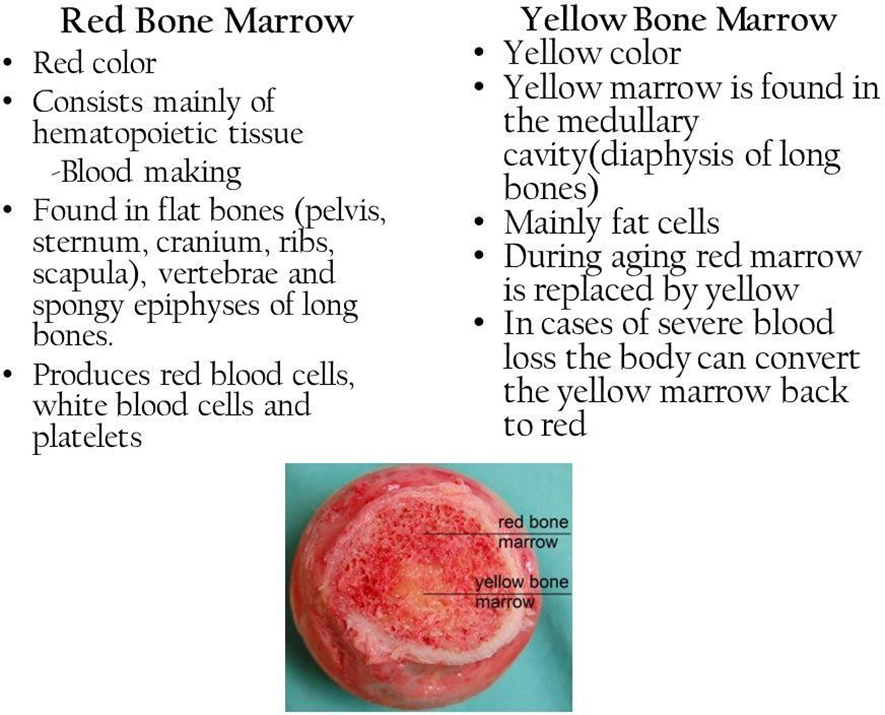
A) While bone marrow does play a role in supporting and protecting bones, its primary function is hematopoiesis.
B) Red bone marrow is responsible for producing various types of blood cells, including white blood cells (leukocytes), red blood cells (erythrocytes), and platelets (thrombocytes).
C) Red bone marrow is primarily involved in hematopoiesis, not calcium storage.
D) This function is more related to the structure and function of joints, ligaments, and muscles, rather than bone marrow.
Whether you are a student looking to ace your exams or a practicing nurse seeking to enhance your expertise , our nursing education contents will empower you with the confidence and competence to make a difference in the lives of patients and become a respected leader in the healthcare field.
Visit Naxlex, invest in your future and unlock endless possibilities with our unparalleled nursing education contents today