
A nurse is preparing to obtain a client's vital signs. Which of the following actions should the nurse take when washing their hands?
Rinse their forearms with running water before applying soap.
Hold their hands above elbow level while washing and rinsing.
Generate a lather by rubbing their hands together vigorously for 5 seconds.
Turn off the faucet with a clean paper towel after drying hands.
The Correct Answer is D
The correct answer is choice D.
Choice A rationale:
Rinsing forearms with running water before applying soap is not a recommended step in the handwashing procedure. The primary step is to wet the hands, apply soap, and create a lather.
Choice B rationale:
Holding hands above elbow level while washing and rinsing is not a standard practice for handwashing. The hands should be washed thoroughly, and the focus is on scrubbing the hands, not their positioning.
Choice C rationale:
Generating a lather by rubbing hands together vigorously for 5 seconds is insufficient for effective handwashing. Proper handwashing involves rubbing hands together for at least 20 seconds to ensure thorough cleaning.
Choice D rationale:
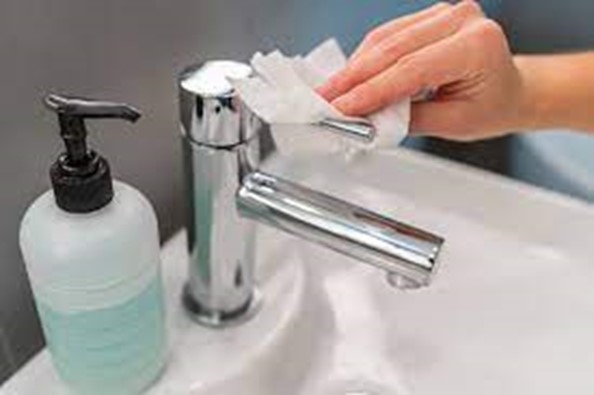
The correct answer. After washing and drying hands, turning off the faucet with a clean paper towel is recommended to avoid recontaminating the clean hands. Touching the faucet directly with clean hands could potentially transfer pathogens back onto the hands.
Nursing Test Bank
Naxlex Comprehensive Predictor Exams
Related Questions
Correct Answer is D
Explanation
The correct answer is choice d. The client’s output was 60 mL for the past 3 hr.
Choice A rationale:
Voiding three times during the night (nocturia) is common in chronic kidney disease (CKD) due to the kidneys’ inability to concentrate urine. While it should be monitored, it is not the most urgent issue.
Choice B rationale:
Burning and discomfort with urination could indicate a urinary tract infection (UTI), which is important to address but not as immediately critical as low urine output.
Choice C rationale:
A WBC count of 11,000/mm² is slightly elevated and could indicate an infection or inflammation, but it is not as urgent as the low urine output.
Choice D rationale:
Low urine output (oliguria) of 60 mL over 3 hours is a critical finding in CKD patients. It indicates potential acute kidney injury or worsening kidney function, which requires immediate attention to prevent further complications.
Correct Answer is B
Explanation
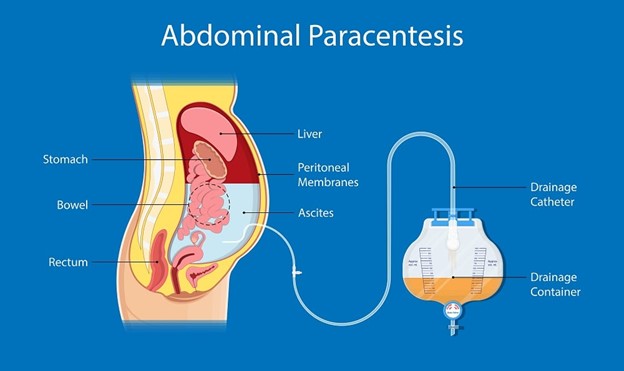
The correct answer is choice B: Performance of a paracentesis.
Choice A rationale:
Administration of an enema does not require informed consent in the same way that invasive procedures do. Enemas are typically considered routine nursing interventions and are not as invasive as the other options.
Choice B rationale:
This is the correct choice. A paracentesis is an invasive procedure that involves puncturing the abdominal cavity to withdraw fluid. Informed consent is required for procedures that carry potential risks, and paracentesis falls into this category due to the risk of complications such as infection, bleeding, or organ injury.
Choice C rationale:
Insertion of an indwelling urinary catheter is a common nursing procedure that, while invasive, does not typically require informed consent. However, the nurse should still explain the procedure to the client and obtain verbal consent, but it's not the same level of formal informed consent required for more invasive procedures.
Choice D rationale:
Placement of an NG tube, although uncomfortable, is not as invasive as a paracentesis. In most cases, NG tube placement is considered a medical or nursing intervention rather than a procedure that necessitates formal informed consent.
Whether you are a student looking to ace your exams or a practicing nurse seeking to enhance your expertise , our nursing education contents will empower you with the confidence and competence to make a difference in the lives of patients and become a respected leader in the healthcare field.
Visit Naxlex, invest in your future and unlock endless possibilities with our unparalleled nursing education contents today