
A nurse is preparing to give a change-of-shift report on a client who is 2 days postoperative following a total knee arthroscopy. Which of the following information should the nurse include in the report?
Steps required for dressing change
Admission vital signs
Preferred bath time
Time of last pain medication
The Correct Answer is D
The correct answer is D.
Time of last pain medication. The nurse should include information that is relevant and essential for the continuity of care of the client, such as current assessment findings, interventions performed, response to treatment, and pending tests or procedures. The time of last pain medication is important to report because it affects the client's comfort level and mobility, and it helps the oncoming nurse plan when to administer the next dose of analgesia.
The steps required for dressing change are not necessary to report because they are usually standardized and documented in the policy manual or the care plan. The admission vital signs are not relevant to report because they do not reflect the client's current status. The preferred bath time is not essential to report because it can be obtained from the client or the chart.
Nursing Test Bank
Naxlex Comprehensive Predictor Exams
Related Questions
Correct Answer is A
Explanation
The correct answer is A. Administer the client's formula at room temperature. The nurse should administer the formula at room temperature to reduce gastrointestinal motility and prevent diarrhea.
Correct Answer is D
Explanation
The correct answer is D.
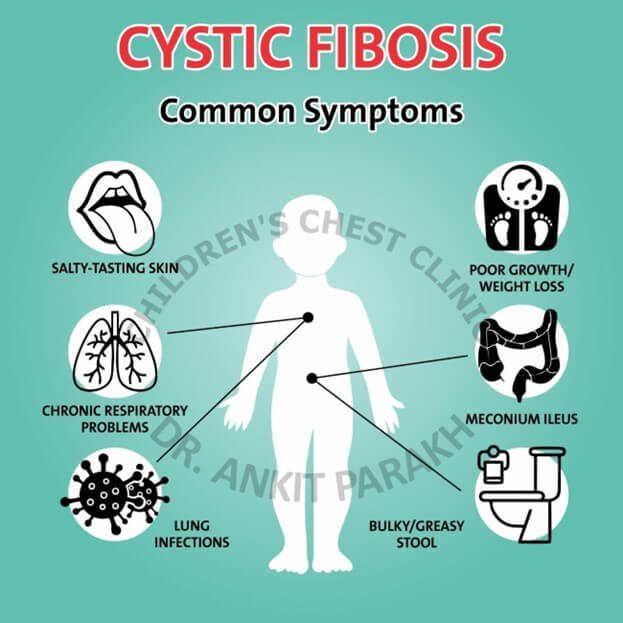
Reduced fat in the stools. Pancrelipase is a medication that replaces digestive enzymes produced by the pancreas, which are lacking in most people with cystic fibrosis due to excess mucus production that clogs the pancreatic ducts. By taking pancrelipase, the child can improve their digestion of food and absorb more nutrients, especially fat and fat-soluble vitamins. This will result in reduced fat in the stools, which is a sign of pancreatic insufficiency.
Whether you are a student looking to ace your exams or a practicing nurse seeking to enhance your expertise , our nursing education contents will empower you with the confidence and competence to make a difference in the lives of patients and become a respected leader in the healthcare field.
Visit Naxlex, invest in your future and unlock endless possibilities with our unparalleled nursing education contents today