
A nurse is preparing to bathe a client who has dementia. Which of the following actions should the nurse take?
Complete the bath even if the client is in distress.
Allow the client to select the temperature of the bath water.
Give detailed instructions for the client to follow.
Use distractions when bathing the client.
The Correct Answer is D
A. Complete the bath even if the client is in distress. – Forcing the bath can increase agitation and damage trust. If the client becomes distressed, pause, reassure, and try again later.
B. Allow the client to select the temperature of the bath water. – Clients with dementia may have impaired sensory perception, increasing the risk of burns or discomfort. The nurse should check the water temperature to ensure safety.
C. Give detailed instructions for the client to follow. – Clients with dementia may struggle to process multiple steps, leading to frustration. Instead, use simple, one-step instructions and gentle guidance.
D. Use distractions when bathing the client. Clients with dementia may experience anxiety, agitation, or distress during bathing. Using distractions, such as playing soothing music, talking about familiar topics, or providing a comforting touch, can help make the experience less stressful and more cooperative.
Nursing Test Bank
Naxlex Comprehensive Predictor Exams
Related Questions
Correct Answer is B
Explanation
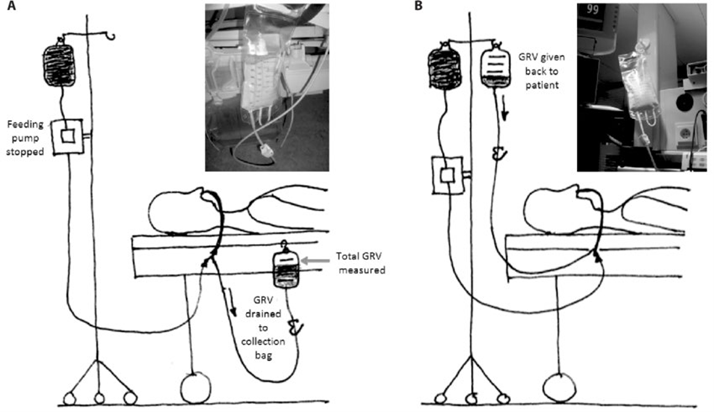
Before administering enteral feedings via an NG tube, the nurse should check for gastric residual volume to ensure that the client is able to tolerate the feeding. If the residual volume is high, it may indicate delayed gastric emptying and the feeding may need to be delayed or the rate adjusted.
a. Encouraging the client to take sips of water may help maintain hydration, but it is not necessary prior to administering enteral feedings.
c. Flushing the tube with sterile 0.9% sodium chloride irrigation can help maintain patency of the tube, but it is not necessary prior to administering enteral feedings.
d. Encouraging the client to breathe deeply and cough can help clear secretions from the lungs, but it is not necessary prior to administering enteral feedings.
Correct Answer is B
Explanation
When providing preoperative teaching to a client over the phone in preparation for outpatient surgery, the nurse should explain the need for the client to have another adult drive them home following surgery. This is because the client may still be affected by anesthesia and may not be able to safely operate a vehicle.
a. Asking the client to shower 3 times the day before surgery is not necessary and may dry out the skin.
c. The client should typically stop drinking clear liquids 2 hours before surgery, not 1 hour.
d. The client should not wear makeup during surgery as it can interfere with the monitoring of their skin color and oxygen saturation.
Whether you are a student looking to ace your exams or a practicing nurse seeking to enhance your expertise , our nursing education contents will empower you with the confidence and competence to make a difference in the lives of patients and become a respected leader in the healthcare field.
Visit Naxlex, invest in your future and unlock endless possibilities with our unparalleled nursing education contents today