
A nurse is preparing to administer hydralazine to a client with severe pre-eclampsia who has a blood pressure of 170/110 mmHg.
What is the expected outcome of this medication?
To prevent seizures
To lower blood pressure
To increase urine output
To improve placental perfusion
The Correct Answer is B
To lower blood pressure. Hydralazine is an antihypertensive drug that is used to treat severe hypertension in pre-eclampsia. It works by relaxing the blood vessels and reducing the resistance to blood flow.
This helps to lower the blood pressure and prevent complications such as stroke, kidney damage, or placental abruption.
Choice A is wrong because hydralazine does not prevent seizures.
Seizures are a symptom of eclampsia, a more severe form of pre-eclampsia. To prevent seizures, magnesium sulfate is usually given intravenously.
Choice C is wrong because hydralazine does not increase urine output. In fact, it may cause fluid retention and edema as a side effect. Diuretics are drugs that increase urine output, but they are not recommended for pre-eclampsia because they may worsen the condition by reducing blood volume and placental perfusion.
Choice D is wrong because hydralazine does not improve placental perfusion.
Placental perfusion is the blood flow to the placenta, which provides oxygen and nutrients to the fetus.
Placental perfusion may be impaired in pre-eclampsia due to abnormal development of the placental blood vessels. Hydralazine does not affect the placental blood vessels directly, but it may improve placental perfusion indirectly by lowering the maternal blood pressure and reducing the risk of abruption.
However, this is not the primary or expected outcome of hydralazine therapy.
Nursing Test Bank
Naxlex Comprehensive Predictor Exams
Related Questions
Correct Answer is C
Explanation
Deep tendon reflexes.
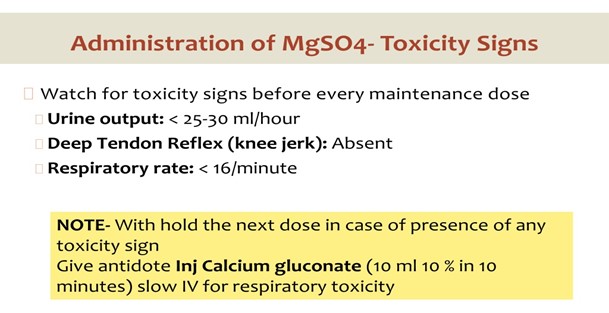
The nurse should monitor the client’s deep tendon reflexes to assess for signs of magnesium toxicity, which can cause respiratory depression, cardiac arrest, and coma.Magnesium sulfate is given to prevent seizures in clients with severe preeclampsia, but it can also have adverse effects on the neuromuscular system.
Choice A is wrong because blood pressure is not the most important assessment for a client receiving magnesium sulfate.
Blood pressure is a manifestation of preeclampsia, but it does not indicate magnesium toxicity.
Choice B is wrong because urine output is not the most important assessment for a client receiving magnesium sulfate.
Urine output should be at least 25 to 30 mL/hr to promote adequate excretion of magnesium, but it does not reflect the level of magnesium in the blood.
Choice D is wrong because fetal heart rate is not the most important assessment for a client receiving magnesium sulfate.
Fetal heart rate is important to monitor for signs of fetal distress, but it does not indicate maternal magnesium toxicity.
Correct Answer is ["A","B","D","E"]
Explanation
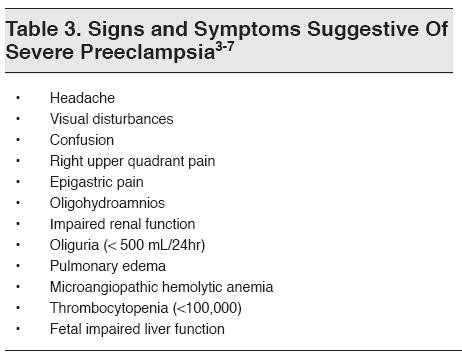
The correct answer is choice A, B, D and E. These are all signs of severe preeclampsia that indicate organ damage and require immediate medical attention.According to Mayo Clinic, preeclampsia is a complication of pregnancy that causes high blood pressure, protein in the urine, or other signs of organ damage after 20 weeks of gestation.
Choice A is correct because epigastric pain can indicate liver damage or bleeding in the abdomen due to preeclampsia.
Choice B is correct because blurred vision or light sensitivity can indicate brain damage or increased pressure in the skull due to preeclampsia.
Choice C is wrong because facial edema is a common symptom of normal pregnancy and does not necessarily indicate preeclampsia.
Choice D is correct because hyperreflexia can indicate nervous system damage or increased pressure in the skull due to preeclampsia.
Choice E is correct because oliguria can indicate kidney damage or decreased blood flow to the kidneys due to preeclampsia.
Whether you are a student looking to ace your exams or a practicing nurse seeking to enhance your expertise , our nursing education contents will empower you with the confidence and competence to make a difference in the lives of patients and become a respected leader in the healthcare field.
Visit Naxlex, invest in your future and unlock endless possibilities with our unparalleled nursing education contents today