
A nurse is preparing a client for a colposcopy following an abnormal Papinicolaou (Pap) test. Which of the following actions should the nurse take?
Place the client in the Sims' position.
Insert a tampon following the procedure.
Instruct the client to avoid sexual intercourse until the cervix is healed.
Reinforce teaching that the procedure involves dilation of the cervix.
The Correct Answer is C
Choice A: This is incorrect because placing the client in the Sims' position is not necessary for a colposcopy. The nurse should place the client in the lithotomy position, which allows better visualization of the cervix and vagina.
Choice B: This is incorrect because inserting a tampon following the procedure can interfere with healing and increase the risk of infection. The nurse should instruct the client to avoid using tampons, douches, or vaginal creams for at least a week after the procedure.
Choice C: This is correct because instructing the client to avoid sexual intercourse until the cervix is healed can prevent bleeding, infection, and trauma to the cervix. The nurse should advise the client to abstain from sexual activity for at least a week or until advised by the provider.
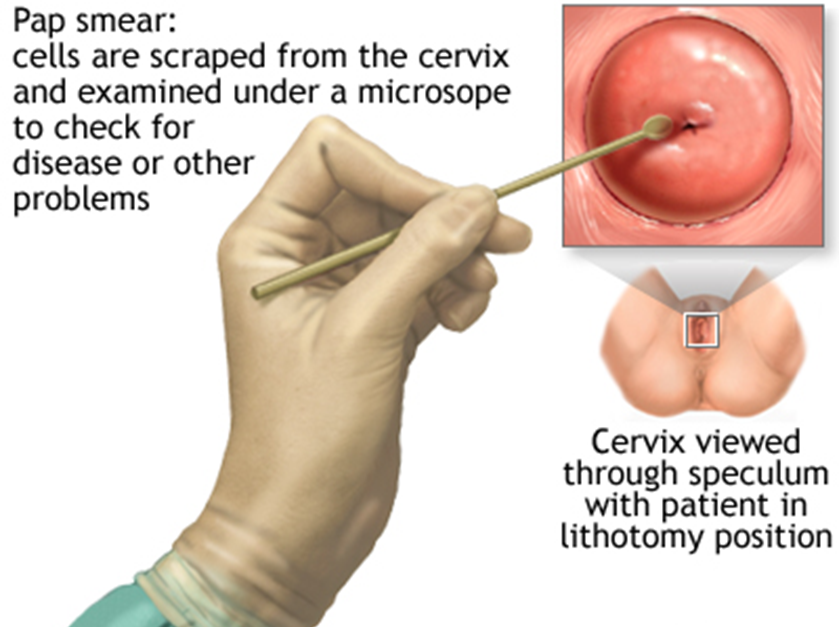
Choice D: This is incorrect because reinforcing teaching that the procedure involves dilation of the cervix can cause anxiety and discomfort for the client. The nurse should explain that the procedure does not require dilation of the cervix, but rather involves applying a speculum and using a microscope to examine the cervix and take tissue samples if needed.
Nursing Test Bank
Naxlex Comprehensive Predictor Exams
Related Questions
Correct Answer is A
Explanation
Choice A reason: 0.9% sodium chloride or normal saline is the only solution that should be administered with PRBCs, as it has an isotonic osmolarity and pH that are compatible with blood products and can prevent hemolysis or clotting.
Choice B reason: Dextrose 5% in water or D5W should not be administered with PRBCs, as it has a hypotonic osmolarity that can cause hemolysis or rupture of red blood cells due to osmotic pressure.
Choice C reason: Lactated Ringer's or LR should not be administered with PRBCs, as it contains calcium and lactate that can interfere with blood coagulation and cause clotting or embolism.
Choice D reason: Dextrose 5% in 0.45% sodium chloride or D5½NS should not be administered with PRBCs, as it has a hypotonic osmolarity that can cause hemolysis or rupture of red blood cells due to osmotic pressure.
Correct Answer is B
Explanation
Choice A: This is incorrect because maintaining the client on bed rest can increase the risk of complications such as pneumonia, thromboembolism, or pressure ulcers. The nurse should encourage early ambulation and frequent position changes to promote healing and prevent complications.
Choice B: This is correct because repositioning the client can help relieve pressure and discomfort from the incision site. The nurse should assist the client to change positions every 2 hours and use pillows or splints to support the incision.
Choice C: This is incorrect because applying a warm, moist compress to the incision area can interfere with wound healing and increase the risk of infection. The nurse should keep the incision site clean and dry and follow the provider's orders for dressing changes.
Choice D: This is incorrect because administering an additional dose of pain medication is not necessary when the client reports a pain level of 2 on a scale of 0 to 10. The nurse should monitor the client's pain level and administer pain medication as prescribed and as needed.
Whether you are a student looking to ace your exams or a practicing nurse seeking to enhance your expertise , our nursing education contents will empower you with the confidence and competence to make a difference in the lives of patients and become a respected leader in the healthcare field.
Visit Naxlex, invest in your future and unlock endless possibilities with our unparalleled nursing education contents today