
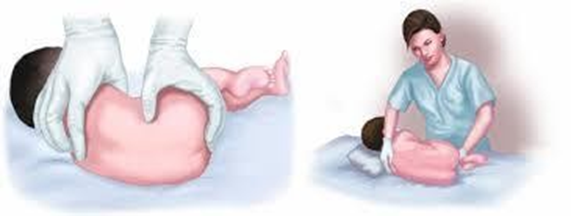
A nurse is preparing a child for a lumbar puncture. In which of the following positions should the child be placed for the procedure?
Prone
Lateral
Supine
Semi-Fowler's
The Correct Answer is B
A. Placing the child prone (face-down) is not appropriate for a lumbar puncture as it would make access to the lumbar spine difficult.
B. Placing the child in a lateral position (lying on their side with knees drawn up towards the chest) allows for proper positioning of the spine for the lumbar puncture procedure.
C. Placing the child supine (lying on their back) is not appropriate for a lumbar puncture as it does not provide the necessary spinal alignment for the procedure.
D. Placing the child in a semi-Fowler's position (with the head of the bed elevated at a 45-degree angle) is not appropriate for a lumbar puncture as it does not facilitate access to the lumbar spine.
Nursing Test Bank
Naxlex Comprehensive Predictor Exams
Related Questions
Correct Answer is D
Explanation
A. Instructing the parent to discontinue prednisone if gastrointestinal upset occurs is not appropriate, as abrupt discontinuation of corticosteroids can lead to adrenal insufficiency. Monitoring for and managing gastrointestinal upset while continuing the medication as prescribed is more appropriate.
B. Limiting intake of potassium-rich foods is not specifically indicated with prednisone therapy. Prednisone may increase the risk of potassium loss, but dietary adjustments should be made under medical guidance.
C. Prednisone can affect growth in children, but it is more commonly associated with slowing growth rather than stimulating a growth spurt. This statement is misleading and not accurate.
D. Monitoring the child for indications of infection is crucial when taking prednisone, as corticosteroids can suppress the immune system and increase susceptibility to infections. This statement addresses an important aspect of medication safety and is the priority in discharge teaching.
Correct Answer is A
Explanation
A. This statement demonstrates an understanding of the increased risk of tuberculosis in individuals with HIV and the importance of regular screening. Tuberculosis is a common opportunistic infection in individuals with HIV, and regular testing is essential for early detection and treatment.
B. While starting antiretroviral therapy such as zidovudine is important for managing HIV, it does not immediately decrease the risk of transmission. It takes time for viral load suppression to occur and for the risk of transmission to decrease significantly.
C. Doubling medications without healthcare provider guidance could lead to incorrect dosing and potential harm. HIV medications should be taken exactly as prescribed by the healthcare provider.
D. Childhood immunizations are essential for preventing other infectious diseases but may need to be adjusted based on the child's immune status and specific recommendations from the healthcare provider. The statement does not address the immediate concern of managing HIV.
Whether you are a student looking to ace your exams or a practicing nurse seeking to enhance your expertise , our nursing education contents will empower you with the confidence and competence to make a difference in the lives of patients and become a respected leader in the healthcare field.
Visit Naxlex, invest in your future and unlock endless possibilities with our unparalleled nursing education contents today