
A nurse is teaching the parent of a school-age child about bicycle safety. Which of the following instructions should the nurse include in the teaching?
"Your child should ride the bicycle against the flow of traffic."
"Your child should keep the bicycle at least 3 feet from the curb while riding in the street."
"Your child should walk the bicycle through intersections."
"Your child's feet should be 3 to 6 inches off the ground when seated on the bicycle."
The Correct Answer is C
A. Riding the bicycle against the flow of traffic increases the risk of collisions with oncoming vehicles. Children should ride with the flow of traffic to be more predictable and visible to drivers.
B. Keeping the bicycle at least 3 feet from the curb while riding in the street is a good safety practice to prevent collisions with parked cars or opening car doors.
C. Walking the bicycle through intersections allows the child to safely navigate intersections as pedestrians, reducing the risk of accidents with vehicles.
D. The height of the child's feet when seated on the bicycle is not directly related to safety at intersections. However, it is important for the child to be able to touch the ground with their feet while seated to maintain balance and control while stopping and starting.
Nursing Test Bank
Naxlex Comprehensive Predictor Exams
Related Questions
Correct Answer is B
Explanation
A. Increased capillary refill is not typically associated with hypoglycemia but may indicate poor peripheral circulation.
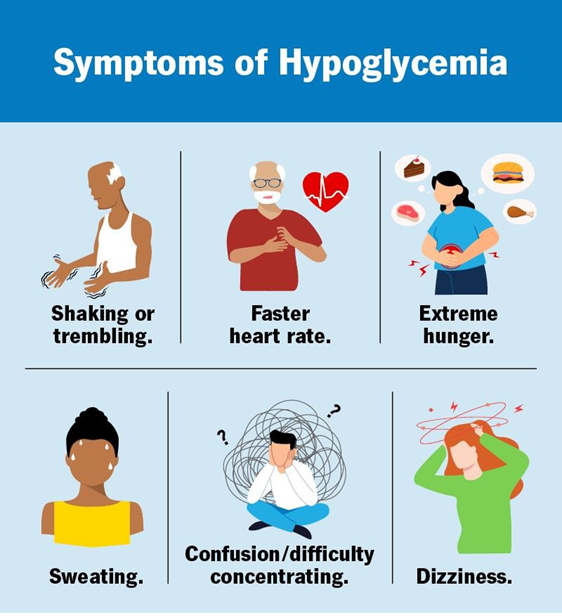
B. Shakiness is a common manifestation of hypoglycemia due to the release of epinephrine in response to low blood sugar levels.
C. Thirst is more commonly associated with hyperglycemia (high blood sugar levels) rather than hypoglycemia.
D. Decreased appetite may occur in hypoglycemia, but it is not as specific a symptom as shakiness.
Correct Answer is A
Explanation
A. Daily weight monitoring is essential in managing nephrotic syndrome to assess for fluid retention and response to treatment.
B. Positioning the child supine at bedtime is not specific to the management of nephrotic syndrome.
C. Calorie intake may need to be increased rather than limited in nephrotic syndrome to compensate for protein loss and meet increased energy needs.
D. Fluid intake may need to be restricted rather than increased, depending on the child's fluid status and response to treatment.
Whether you are a student looking to ace your exams or a practicing nurse seeking to enhance your expertise , our nursing education contents will empower you with the confidence and competence to make a difference in the lives of patients and become a respected leader in the healthcare field.
Visit Naxlex, invest in your future and unlock endless possibilities with our unparalleled nursing education contents today