
A nurse is planning to teach a client whose provider has prescribed a low-purine diet.
The nurse should plan to instruct the client that he can include which of the following foods in his diet? (Select all that apply.).
Sardines.
Apricots.
Scallops.
Nuts.
Liver.
Correct Answer : B,D
Apricots and nuts are low-purine foods that can be included in a low-purine diet.
Sardines are high in purine and should be limited or avoided.
Scallops are high in purine and should be limited or avoided.
Liver is high in purine and should be limited or avoided.
Nursing Test Bank
Naxlex Comprehensive Predictor Exams
Related Questions
Correct Answer is C
Explanation
The first step when finding an unresponsive person is to check their breathing by tilting their head back and looking and feeling for breaths.
When a person is unresponsive, their muscles relax and their tongue can block their airway so they can no longer breathe.
Tilting their head back opens the airway by pulling the tongue forward.
Palpating for the client’s carotid pulse is a way to check if the client has a pulse and is still breathing.
Choice A: Initiating cardiac monitoring for the client is not an answer because it is not mentioned as the first action to take in my sources.
Choice B: Apply a blood pressure cuff is not an answer because it is not mentioned as the first action to take in my sources.
Choice D: Establishing an IV access is not an answer because it is not mentioned as the first action to take in my sources.
Correct Answer is {"xRanges":[101.765625,141.765625],"yRanges":[263.609375,303.609375]}
Explanation
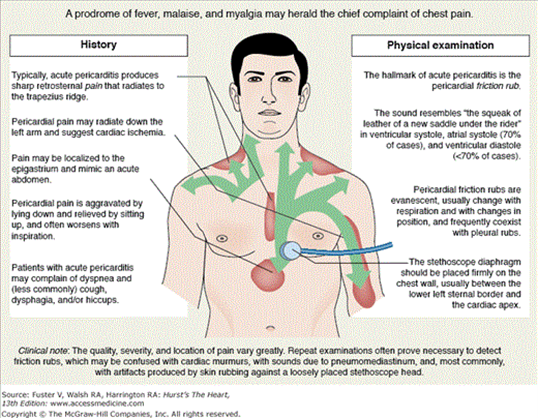
A pericardial friction rub is highly specific for acute pericarditis and is generally heard over the left sternal border.
It is often louder at inspiration but sometimes can be better heard on forced expiration while the patient bends forward.
Choice A is not the answer because it does not correspond to the left sternal border.
Choice B is not the answer because it does not correspond to the left sternal border.
Choice D is not the answer because it does not correspond to the left sternal border.
Whether you are a student looking to ace your exams or a practicing nurse seeking to enhance your expertise , our nursing education contents will empower you with the confidence and competence to make a difference in the lives of patients and become a respected leader in the healthcare field.
Visit Naxlex, invest in your future and unlock endless possibilities with our unparalleled nursing education contents today