
A nurse is planning care for a toddler who has developed oral ulcers in response to chemotherapy.
Which of the following actions should the nurse include in the plan of care?
Schedule routine oral care every 8 hours.
Moisten the mucosa with lemon glycerin swabs.
Administer oral viscous lidocaine.
Cleanse the gums with saline-soaked gauze.
The Correct Answer is D
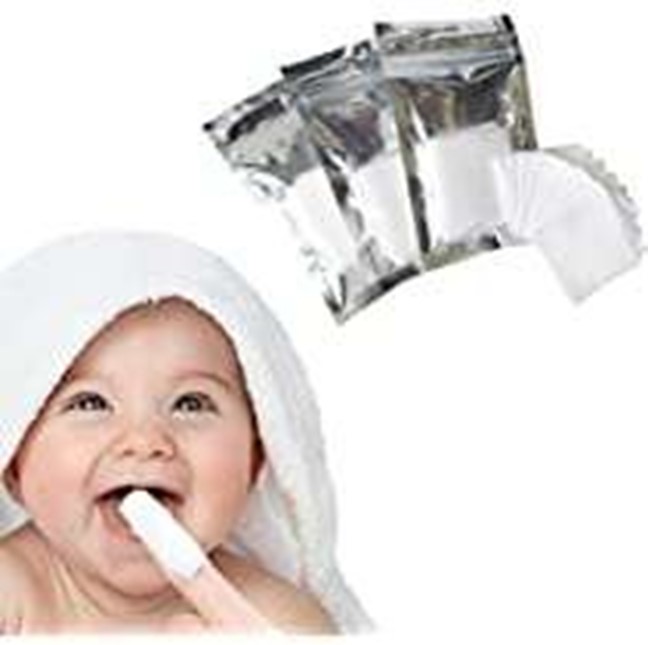
Cleanse the gums with saline-soaked gauze.
This can help keep the mouth moist and clean, which is important for preventing infection and promoting healing of oral ulcers caused by chemotherapy.
Choice A is wrong because routine oral care should be performed more frequently than every 8 hours.
Choice B is wrong because lemon glycerin swabs can dry out and irritate the mucosa.
Choice C is wrong because oral viscous lidocaine should not be used in children due to the risk of toxicity.
Nursing Test Bank
Naxlex Comprehensive Predictor Exams
Related Questions
Correct Answer is D
Explanation
Overtiredness is a commonly reported seizure trigger for school-age children with a seizure disorder.
Choice Ais wrong because prolonged headache is not mentioned as a common trigger for seizures.
Choice B is wrong because exposure to secondhand smoke is not mentioned as a common trigger for seizures.
Choice Cis wrong because decreased temperature is not mentioned as a common trigger for seizures.
Correct Answer is C
Explanation
People with lactose intolerance can replace milk and dairy products with nondairy sources of calcium such as calcium-fortified products, fish with soft bones, broccoli and leafy green vegetables, oranges, almonds, Brazil nuts, and dried beans.
Choice A is wrong because “You can drink milk on an empty stomach” is not an answer because it may worsen symptoms of lactose intolerance.
Choice B is wrong because “You might tolerate plain milk better than chocolate milk” is not an answer because both plain and chocolate milk contain lactose.
Choice D is wrong because “You should consume flavored yogurt instead of plain yogurt” is not an answer because both flavored and plain yogurt contain lactose.
Whether you are a student looking to ace your exams or a practicing nurse seeking to enhance your expertise , our nursing education contents will empower you with the confidence and competence to make a difference in the lives of patients and become a respected leader in the healthcare field.
Visit Naxlex, invest in your future and unlock endless possibilities with our unparalleled nursing education contents today