
A nurse is teaching a group of female adolescents about healthy eating. Which of the following instructions should the nurse include in the teaching?
"Limit your sodium intake to 3,000 milligrams per day."
"Consume 1,500 to 1,700 calories per day."
"Increase the amount of your dietary iron intake."
"Decrease your vitamin D intake once you start to menstruate.”
The Correct Answer is C
During menstruation, girls lose some iron and should try to replace it by including iron-rich foods in their diet.
Choice A is wrong because the American Heart Association recommends limiting sodium intake to 1,500 milligrams per day.
Choice B is wrong because caloric needs vary depending on age, sex, height, weight, and level of physical activity.
Choice D is wrong because vitamin D is important for bone health and adolescents should not decrease their intake.
Nursing Test Bank
Naxlex Comprehensive Predictor Exams
Related Questions
Correct Answer is A
Explanation
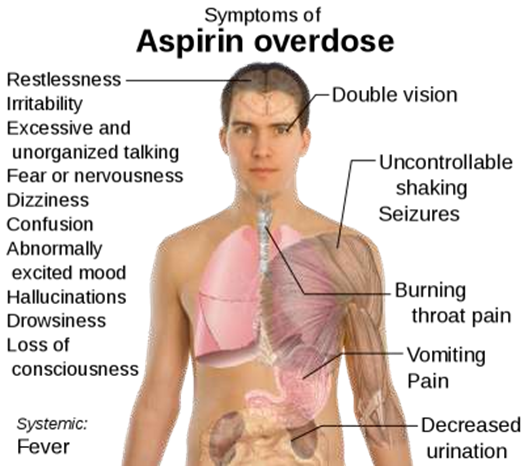
When a child ingests a toxic dose of acetylsalicylic acid, it can lead to salicylate toxicity, which can cause hyperpyrexia (high fever), among other symptoms such as vomiting, tinnitus, confusion, and dehydration. Hyperpyrexia is a serious complication that can lead to neurological damage and is a medical emergency that requires prompt intervention.
The nurse should monitor the child's temperature and administer antipyretic medications as necessary to reduce the fever.
Choice B is wrong because Polyuria, is not a common symptom of acute acetylsalicylic acid poisoning.
Salicylate toxicity can cause dehydration due to vomiting, which can lead to decreased urine output.
Choice C is wrong because Neck vein distention, is not typically associated with acetylsalicylic acid poisoning.
Neck vein distention is commonly seen in patients with heart failure, tension pneumothorax, or cardiac tamponade.
Choice D is wrong because Jaundice, is not a common symptom of acetylsalicylic acid poisoning. Jaundice is usually seen in liver diseases or hemolytic anemias.
Correct Answer is A
Explanation
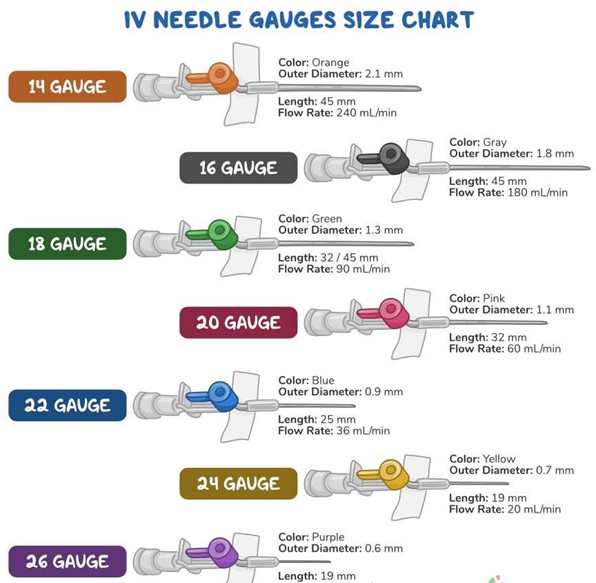
A 24-gauge catheter is the smallest-gauge catheter and is appropriate for administering IV fluids and medications to an infant.
Choice B is wrong because an opaque dressing would prevent the nurse from visualizing the insertion site.
Choice C is wrong because starting an IV in an infant’s foot can be painful and difficult to secure.
Choice D is wrong because IV sites should be changed every 72-96 hours or according to facility policy.
Whether you are a student looking to ace your exams or a practicing nurse seeking to enhance your expertise , our nursing education contents will empower you with the confidence and competence to make a difference in the lives of patients and become a respected leader in the healthcare field.
Visit Naxlex, invest in your future and unlock endless possibilities with our unparalleled nursing education contents today