
A nurse is providing discharge teaching to the parents of an infant who is at risk for sudden infant death syndrome (SIDS).
Which of the following statements by the parents indicates an understanding of the teaching?
"I will dress my baby in lightweight clothing to sleep.”
"I will lay my baby on her side to sleep for naps.”
"I will have my baby sleep next to me in bed during the night.”
"I will move my baby's stuffed animal to the corner of her crib while she sleeps.”
The Correct Answer is A
Overheating is a risk factor for SIDS, so it’s important to dress the baby in lightweight clothing to sleep.
Choice B is wrong because infants should always be placed on their back to sleep, not on their side.
Choice C is wrong because bed-sharing increases the risk of SIDS.
Choice D is wrong because stuffed animals should not be placed in the crib with the baby as they can increase the risk of suffocation 2.
Nursing Test Bank
Naxlex Comprehensive Predictor Exams
Related Questions
Correct Answer is B
Explanation
The nurse should first implement droplet precautions for the child.
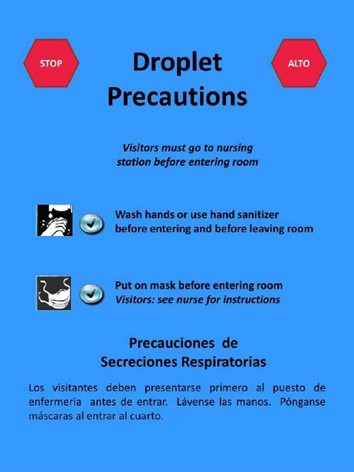
Bacterial meningitis can be spread through respiratory and throat secretions, so it is important to take precautions to prevent the spread of infection.
Choice A is wrong because while a lumbar puncture may be necessary for diagnosis, preventing the spread of infection is a higher priority.
Choice C is wrong because while dimming the lights may provide comfort, preventing the spread of infection is a higher priority.
Choice D is wrong because while administering an antipyretic may provide comfort, preventing the spread of infection is a higher priority.
Correct Answer is D
Explanation
Steatorrhea, or fatty stools, is a common symptom of cystic fibrosis.
Cystic fibrosis can cause the pancreas to become blocked with mucus, preventing digestive enzymes from reaching the small intestine.
This can result in difficulty absorbing nutrients from food and can lead to steatorrhea.
Choice A is wrong because rhinorrhea is not a common symptom of cystic fibrosis.
Choice B is wrong because weight gain is not a common symptom of cystic fibrosis; in fact, difficulty gaining weight is a common symptom.
Choice C is wrong because visible peristalsis is not a common symptom of cystic fibrosis.
Whether you are a student looking to ace your exams or a practicing nurse seeking to enhance your expertise , our nursing education contents will empower you with the confidence and competence to make a difference in the lives of patients and become a respected leader in the healthcare field.
Visit Naxlex, invest in your future and unlock endless possibilities with our unparalleled nursing education contents today