
A nurse is planning care for a school-age child who was admitted from the emergency department 2 hr ago.
Which of the following interventions should the nurse include to promote adequate sleep for the child?
Follow the child's home sleep routine to reduce anxiety.
Leave the lights on in the child's room to promote safety.
Allow the child to adjust their bedtime to promote autonomy.
Provide the child with calming activities prior to bedtime to reduce stress.
The Correct Answer is A
Following the child’s home sleep routine can help reduce anxiety and promote adequate sleep.
Children thrive on routine and consistency, and maintaining their usual sleep routine can provide a sense of familiarity and comfort in an unfamiliar environment.
Choice B is wrong because leaving the lights on can disrupt the child’s sleep.
Choice C is wrong because allowing the child to adjust their bedtime may disrupt their sleep routine and lead to inadequate sleep.
Choice D is a good option, but following the child’s home sleep routine is the best way to promote adequate sleep.
Nursing Test Bank
Naxlex Comprehensive Predictor Exams
Related Questions
Correct Answer is C
Explanation
Bradycardia, or a slow heart rate, is a sign of digoxin toxicity in infants.
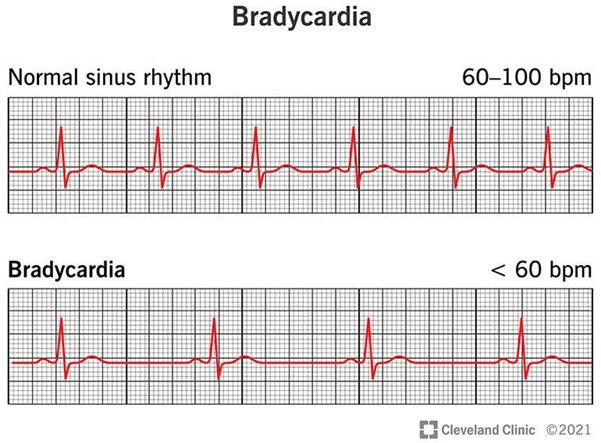
Digoxin is a medication used to improve the strength and efficiency of the heart and to control the rate and rhythm of the heartbeat.
However, an overdose can cause changes in the rate or rhythm of the heartbeat, including bradycardia.
Choice A is wrong because polyuria is not a sign of digoxin toxicity.
Choice B is wrong because diaphoresis is not a sign of digoxin toxicity.
Choice D is wrong because jaundice is not a sign of digoxin toxicity.
Correct Answer is D
Explanation
The nurse should prepare the toddler for nasotracheal intubation first because the toddler is experiencing severe dyspnea and drooling, which are signs of airway obstruction.
Nasotracheal intubation will help to secure the toddler’s airway and improve their breathing.
Choice A is wrong because administering an antibiotic is not the priority intervention for a toddler with airway obstruction.
Choice B is wrong because obtaining a blood culture is not the priority intervention for a toddler with airway obstruction.
Choice C is wrong because inserting an IV catheter is not the priority intervention for a toddler with airway obstruction.
Whether you are a student looking to ace your exams or a practicing nurse seeking to enhance your expertise , our nursing education contents will empower you with the confidence and competence to make a difference in the lives of patients and become a respected leader in the healthcare field.
Visit Naxlex, invest in your future and unlock endless possibilities with our unparalleled nursing education contents today