
A nurse is instructing a client on how to decrease the nausea associated with chemotherapy and radiation. Which of the following statements indicates an understanding of the teaching?
"I will eat foods that are served at room temperature."
"I will increase the amount of unsaturated fats in my diet."
"I will drink more liquids with my meals."
"I will eat smaller meals if I feel nauseated."
The Correct Answer is A
Choice A reason: Eating foods at room temperature can help reduce nausea because strong odors from hot foods can increase the feeling of nausea.
Choice B reason: Increasing unsaturated fats is not specifically related to managing nausea and may not be beneficial in this context.
Choice C reason: Drinking more liquids with meals can sometimes increase nausea; it's often recommended to drink fluids between meals instead.
Choice D reason: Eating smaller meals can help manage nausea because large meals can overwhelm the digestive system when it's sensitive due to treatment.
Nursing Test Bank
Naxlex Comprehensive Predictor Exams
Related Questions
Correct Answer is D
Explanation
Choice A reason: Stridor is a high-pitched sound heard with breathing and is not related to the pattern described.
Choice B reason: Kussmaul respirations are deep and labored, typically associated with metabolic acidosis, not the pattern described.
Choice C reason: Apneustic respirations are characterized by prolonged inspiratory phases, which is not the pattern described.
Choice D reason: This is the correct choice. Cheyne Stokes respirations are characterized by a cyclic pattern of increasing and decreasing tidal volumes followed by periods of apnea, fitting the description provided.
Correct Answer is A
Explanation
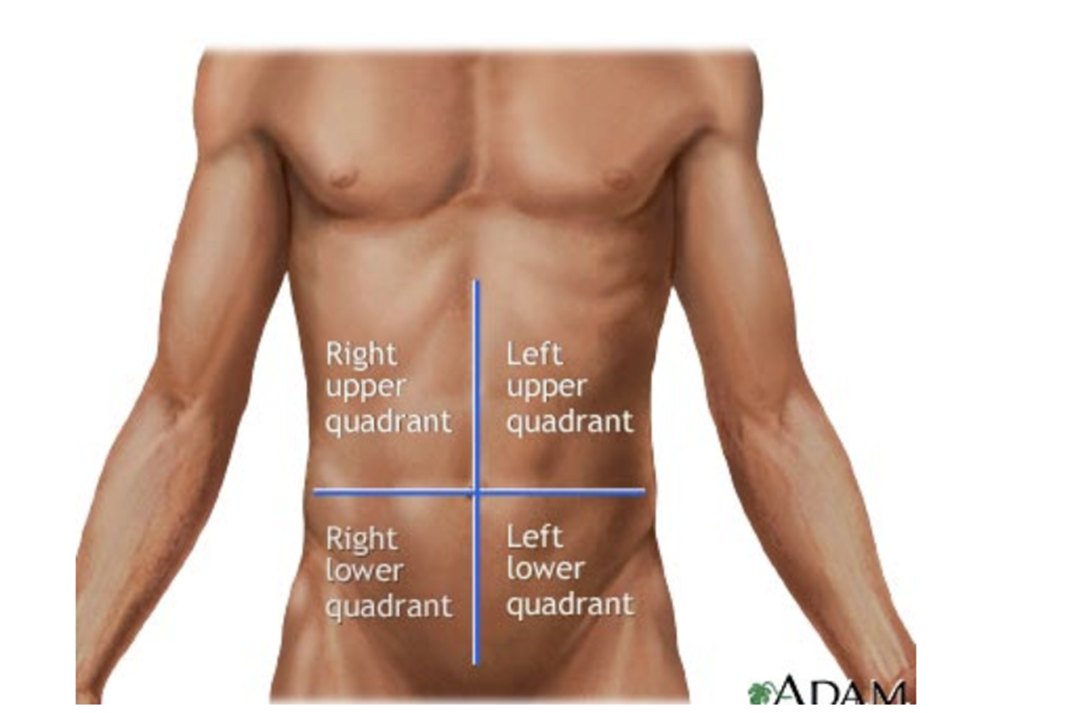
Choice A reason: Right lower quadrant.
McBurney's point is located in the right lower quadrant of the abdomen, which is one-third of the distance from the anterior superior iliac spine to the umbilicus. This is the area where tenderness is most likely to be maximal in cases of acute appendicitis.
Choice B reason: Left lower quadrant
The left lower quadrant is not typically associated with appendicitis pain, as the appendix is located in the right lower quadrant of the abdomen.
Choice C reason: Right upper quadrant
The right upper quadrant is generally associated with other conditions such as gallbladder issues, not appendicitis.
Choice D reason: The left upper quadrant
The left upper quadrant is also not associated with appendicitis pain, as it is on the opposite side of the typical location of the appendix.
Whether you are a student looking to ace your exams or a practicing nurse seeking to enhance your expertise , our nursing education contents will empower you with the confidence and competence to make a difference in the lives of patients and become a respected leader in the healthcare field.
Visit Naxlex, invest in your future and unlock endless possibilities with our unparalleled nursing education contents today